
 EN
EN
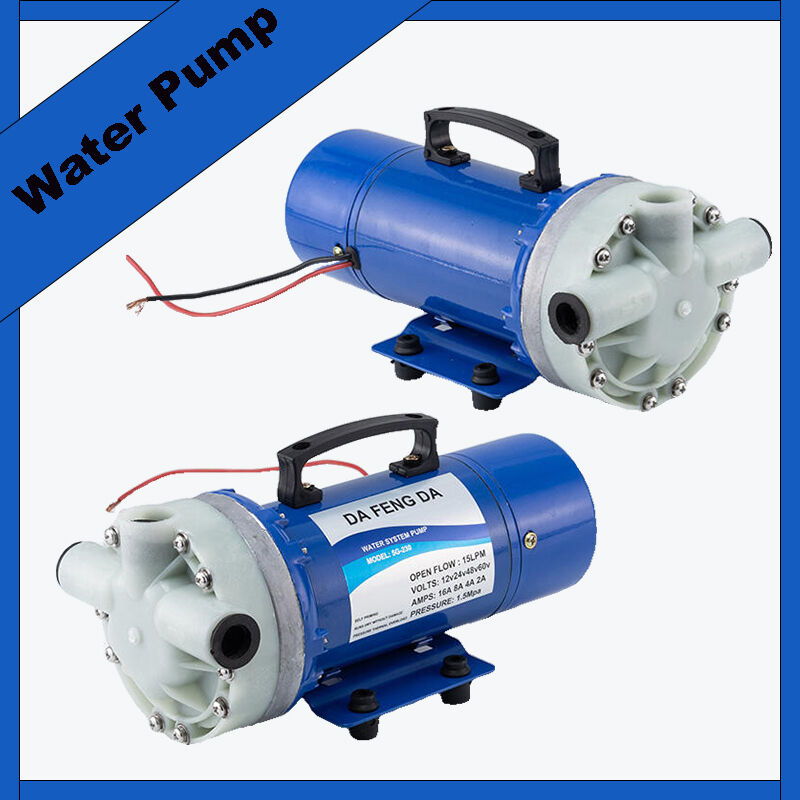
Zrozumienie typów pomp rolniczych i ich zastosowań w irygacji
Pompy odśrodkowe: najlepsze do źródeł wody powierzchniowej o wysokim przepływie
Pompy odśrodkowe stanowią podstawę systemów nawadniania powierzchniowego, przemieszczając duże objętości wody ze źródeł naturalnych, takich jak rzeki, jeziora i zbiorniki. Sercem tych pomp jest wirnik, który obraca się wokół własnej osi, przekształcając energię mechaniczną w ruch, który tłoczy wodę na obszarach o płaskim terenie. Dzięki temu są one szczególnie dobrze dopasowane do metod nawadniania zalewowego oraz systemów rowkowych, w których woda musi rozlewać się po szerokich polach. To, co wyróżnia pompy odśrodkowe, to ich prosta konstrukcja, zapewniająca minimalne koszty konserwacji oraz niezawodną pracę. Większość komercyjnych modeli potrafi przetaczać przepływy przekraczające 1000 galonów na minutę bez najmniejszego wysiłku. Istnieje jednak jedno ograniczenie, które warto zauważyć: te pompy zależą od ciśnienia atmosferycznego do tworzenia ssania. Dlatego działają one najlepiej, gdy są montowane w pobliżu stosunkowo płytkich źródeł wody – zwykle nie głębiej niż około 25 stóp (ok. 7,6 m) poniżej poziomu gruntu, co utrzymuje koszty instalacji na akceptowalnym poziomie. Rolnicy powinni pamiętać, że prawidłowe napełnienie pompy (przepompowanie) przed uruchomieniem jest absolutnie konieczne. Ważne jest również wcześniejsze zainstalowanie odpowiedniego systemu filtracji w przypadku pompowania wody zawierającej dużą ilość osadu lub innych cząstek zanieczyszczeń. Chroni to delikatne elementy wirnika i zapewnia utrzymanie optymalnej wydajności pompy przez długi czas.
Pompy zanurzeniowe: optymalne do pozyskiwania wody z głębokich studni i w warunkach ograniczonej widoczności
Pompy zanurzeniowe działają bardzo dobrze w trudnych warunkach, szczególnie przy eksploatacji głębokich studni o głębokości do 400 stóp lub w przypadku wody zawierającej dużo błota i osadów, gdzie zwykłe pompy powierzchniowe po prostu nie radzą sobie. Te pompy są całkowicie zanurzone pod wodą i szczelnie uszczelnione, aby woda nie przedostała się do wnętrza. Zamiast ssąc wodę w górę, jak to robią inne pompy, one aktywnie ją tłoczą w górę – co oznacza, że nie wymagają odpowietrzania (przepłukiwania) i nie mają problemów związanych z wysokością podnoszenia wody. Ich konstrukcja czyni je znacznie skuteczniejszymi w zapobieganiu przedostawaniu się piasku w porównaniu do pomp odśrodkowych, dzięki czemu nadal prawidłowo funkcjonują nawet wtedy, gdy woda nie jest przejrzysta lub zawiera dużą ilość drobnych, szorstkich cząstek. Ponadto zużywają one zwykle o 15–30% mniej energii niż pompy strumieniowe na podobnych głębokościach, ponieważ siły tarcia są mniejsze. Wiele nowszych modeli wyposażonych jest w tzw. przemienniki częstotliwości (VFD – Variable Frequency Drives). Pozwalają one pompie dynamicznie dostosowywać swoją wydajność w zależności od danych przesyłanych przez czujniki wilgotności gleby. Dzięki temu oszczędza się wodę, zachowując jednocześnie odpowiednie ciśnienie w systemach kropelkowego nawadniania – co jest szczególnie przydatne w suchych regionach lub miejscach, gdzie zużycie wody podlega ścisłej kontroli.
Kluczowe kryteria wyboru dla niezawodnej pracy pomp rolniczych
Dopasowanie wydajności przepływu (GPM) i całkowitego ciśnienia dynamicznego (TDH) do potrzeb nawadniania upraw
Wybór odpowiedniego pompy zależy przede wszystkim od dopasowania jej parametrów hydraulicznych – głównie wydajności objętościowej mierzonej w galonach na minutę (GPM) oraz tzw. całkowitego ciśnienia dynamicznego (TDH) – do potrzeb nawadniania upraw oraz układu pól. Wydajność GPM powinna być wystarczająca do zaspokojenia największego zapotrzebowania na wodę na danym obszarze, podczas gdy TDH uwzględnia m.in. podnoszenie wody w górę, opory przepływu w rurach ułożonych w gruncie oraz ciśnienie wymagane w punkcie końcowym. Przyjrzyjmy się niektórym wartościom liczbowym: systemy kropelkowe zwykle wymagają około 8–15 galonów na minutę na akr i działają optymalnie przy ciśnieniu 15–40 psi. Systemy zraszaczowe zazwyczaj wymagają większego przepływu wody – ok. 15–30 GPM na akr – przy ciśnieniu w zakresie 40–60 psi. Nawadnianie powierzchniowe (przepływowe) wymaga ogromnych ilości wody – od 20 do ponad 50 GPM na akr – choć działa poprawnie przy znacznie niższym ciśnieniu, zwykle w zakresie 10–30 psi. Błędny dobór pompy może prowadzić do problemów. Jeśli pompa będzie zbyt mała, rośliny mogą nie otrzymać odpowiedniej ilości wody, co może obniżyć plony nawet o 30%. Z drugiej strony, nadmiernie duża pompa marnuje energię elektryczną i przyspiesza zużycie jej elementów.
| System nawadniający | Zalecany zakres przepływu GPM na akr | Zakres całkowitego ciśnienia dynamicznego (TDH) w PSI |
|---|---|---|
| Dripczyk | 8–15 | 15–40 |
| Spryskiwacz | 15–30 | 40–60 |
| Powódź | 20–50+ | 10–30 |
Zgodność ze źródłami wody: studnie, rzeki, zbiorniki i systemy recyklingu
Jak długo będzie działać pompa zależy przede wszystkim od tego, czy jest odpowiednia do jakości wody pobieranej ze źródła. W przypadku płytkich studni o głębokości do 25 stóp (ok. 7,6 m) pompy odśrodkowe zazwyczaj sprawdzają się bardzo dobrze w większości sytuacji. Jednak przy głębszych studniach potrzebujemy silniejszego rozwiązania – zwykle wielostopniowych pomp zanurzeniowych, które radzą sobie zarówno z dużą głębokością, jak i z cząstkami ścierającymi obecnymi w wodzie. Rzeki i zbiorniki jako powierzchniowe źródła wody najlepiej obsłużyć można za pomocą poziomych pomp odśrodkowych wyposażonych w wirniki odporno na zanieczyszczenia. Jeśli jednak woda zawiera dużo mułu, konieczne staje się zastosowanie pomp wykonanych ze stopów hartowanych. Opcje ze stali nierdzewnej lub stali Ni-Hard zapobiegają zbyt szybkiemu zużyciu. Woda wtórna lub oczyszczona generuje własne wyzwania. Woda słonawa, zmienne poziomy kwasowości oraz różnorodne substancje organiczne unoszące się w wodzie wymagają wyboru materiałów odpornych na korozję. W tym przypadku dobrze sprawdza się stal nierdzewna duplex, a także systemy samoczyszczące się. Przed ostatecznym wybraniem pompy należy dokładnie sprawdzić jej specyfikację pod kątem następujących głównych czynników:
- Stężenie cząstek zawieszonych (np. piasek >50 ppm wymaga zastosowania komponentów odpornych na ścieranie)
- Profil chemiczny (pH poza zakresem 6,5–8,5 znacznie zwiększa ryzyko korozji)
- Obciążenie organiczne (glony lub warstwa biologiczna mogą zatykać wloty bez funkcji automatycznego czyszczenia)
Optymalizacja wydajności pomp rolniczych oraz długoterminowej wartości zwrotu z inwestycji (ROI)
Zrównoważone funkcjonowanie gospodarstw rolnych zależy od równowagi między wydajnością, trwałością i zużyciem energii – a nie tylko od kosztów początkowych. Strategiczny dobór i zarządzanie pompami bezpośrednio wpływa na oszczędność wody, wydatki na energię i długoterminową rentowność.
Odczytywanie charakterystyk pomp w celu uzyskania równowagi między przepływem, wysokością podnoszenia i efektywnością energetyczną
Krzywe charakterystyki pomp pokazują, w jaki sposób przepływ (GPM), całkowita wysokość podnoszenia dynamicznego (TDH) oraz sprawność są ze sobą powiązane. Najlepszy punkt sprawności (BEP) to zasadniczo taki punkt pracy pompy, w którym działa ona najefektywniej – zużywa mniej energii i generuje mniejsze obciążenia elementów mechanicznych. Gdy pompa pracuje znacznie poniżej swojego BEP, pojawiają się problemy, takie jak cyrkulacja cieczy wewnątrz pompy i kawitacja, które przyspieszają zużycie łożysk i wirników. Praca powyżej BEP również nie jest korzystna, ponieważ prowadzi do wyższych rachunków za energię elektryczną oraz przyspieszonego zużycia silników. Dokładne określenie rzeczywistych wartości przepływu (GPM) i wysokości podnoszenia (TDH) dla danego układu oznacza utrzymywanie pompy w pobliżu jej BEP przez większość czasu pracy. Wiele osób dobiera zbyt duże pompy, zakładając, że większe oznacza lepsze – jednak w praktyce powoduje to wzrost kosztów energetycznych o około 40% w dłuższej perspektywie czasowej. Poprawne odczytywanie tych krzywych ułatwia dobór pomp dostosowanych do rzeczywistych potrzeb upraw, bez marnowania środków na nadmierną moc.
Konserwacja, źródło zasilania oraz inteligentne systemy sterowania wspierające zrównoważoną eksploatację
Spójna i proaktywna konserwacja jest podstawą długotrwałej żywotności pomp oraz niezawodności całego systemu. Regularne sprawdzanie uszczelek, łożysk i wirników – w połączeniu z przestrzeganiem harmonogramów smarowania oraz monitorowaniem drgań – zapobiega nagłym awariom i kosztownemu simply przestoju. Decyzje dotyczące źródła zasilania mają trwałe skutki ekonomiczne i środowiskowe:
- Energia z sieci zasilanie sieciowe zapewnia stabilność, ale naraża działania na wahania stawek taryfowych dostawcy energii; korzyści wynikające z wyższej sprawności zależą od zastosowania silników o wysokiej sprawności (klasy NEMA Premium lub klasy IE4).
- Generatory dieslowskie napędy spalinowe zapewniają mobilność w terenie, ale wiążą się z wysokimi kosztami paliwa, karą za emisję gazów cieplarnianych oraz dodatkowymi kosztami konserwacji.
- Układy fotowoltaiczne słoneczne napędy fotowoltaiczne, stają się coraz bardziej konkurencyjne cenowo, umożliwiają eksploatację bez emisji i przy niskich kosztach konserwacji – szczególnie korzystne w regionach o dużym nasłonecznieniu, gdzie szczytowe zapotrzebowanie na nawadnianie w ciągu dnia pokrywa się z maksymalną produkcją energii słonecznej.
Inteligentne systemy sterowania podnoszą wydajność na zupełnie nowy poziom. Gdy gospodarstwa rolnicze instalują czujniki wilgotności gleby połączone z internetem oraz integrują dane meteorologiczne i przemienniki częstotliwości, ich pompy do nawadniania mogą dostosowywać moc wyjściową w miarę zmian warunków w ciągu dnia. Oznacza to mniej marnowanej wody i niższe rachunki za energię elektryczną, ponieważ system działa wyłącznie wtedy, gdy jest to konieczne. Rolnicy mogą również sprawdzać wszystkie parametry za pomocą smartfonów. W przypadku awarii sprzętu otrzymują natychmiastowe powiadomienia, dzięki czemu problemy nie nasilają się i nie przeradzają się w poważniejsze usterki. Regularna konserwacja w połączeniu z inteligentnym zarządzaniem energią oraz automatycznymi dostosowaniami tworzy solidne podejście do oszczędzania zasobów. Nie tylko przekłada się to na obniżkę kosztów eksploatacyjnych, ale także zwiększa odporność gospodarstw w okresach suszy oraz wspiera ochronę lokalnych ekosystemów przed nadmiernym zużyciem wody.
Często zadawane pytania
Jakie są główne typy pomp rolniczych stosowanych do nawadniania?
Głównymi typami pomp rolniczych stosowanych w irygacji są pompy odśrodkowe i pompy zanurzeniowe. Pompy odśrodkowe są idealne do źródeł wody powierzchniowej o wysokim przepływie, podczas gdy pompy zanurzeniowe są optymalne do pozyskiwania wody z głębokich studni oraz w warunkach ograniczonej przejrzystości wody.
Jak wybrać odpowiednią pompę na podstawie potrzeb irygacyjnych?
Wybór odpowiedniej pompy sprowadza się do dopasowania jej parametrów hydraulicznych, takich jak wydajność (GPM) i całkowita wysokość podnoszenia (TDH), do zapotrzebowania wody przez uprawy oraz konfiguracji pola.
Jakie czynniki decydują o trwałości pompy rolniczej?
Trwałość pompy rolniczej zależy od dopasowania pompy do jakości wody ze źródła, regularnej konserwacji oraz zapewnienia zgodności z warunkami środowiskowymi, w których działa.
W jaki sposób rolnicy mogą zoptymalizować sprawność swoich pomp rolniczych?
Rolnicy mogą zoptymalizować wydajność pomp, analizując krzywe charakterystyki pomp, przeprowadzając proaktywną konserwację, stosując energooszczędne źródła zasilania oraz integrując inteligentne systemy sterowania umożliwiające korekty w czasie rzeczywistym.