
 EN
EN
Match Manual Sprayer Capacity to Flower Bed Size
0.5–3L Handheld Manual Sprayers for Small Spaces (Balconies, Containers, <20 sq ft)
Small flower beds that measure less than 20 square feet really need light weight gardening tools that are easy to handle. The best option for these tight spots is a handheld sprayer that holds somewhere between half a liter to three liters of liquid. These little sprayers weigh less than two pounds even when filled up, so folks don't get tired after using them multiple times throughout the day. Plus, their short wand design lets gardeners apply water or fertilizer exactly where needed without knocking over tiny plants or seedlings. Tests done by gardening experts show that these compact sprayers hit their target area about 98 out of 100 times in small growing spaces, which makes all the difference when dealing with plants that attract pests like roses or orchids. Being able to operate one-handed means gardeners can hold onto stems or branches while spraying, preventing accidental bruising or breakage that often happens with bulkier equipment.
5–10L Manual Sprayers for Medium Flower Beds (Raised Beds, 20–100 sq ft)
Gardens of medium size, say around 100 square feet, work best with manual sprayers that hold about 5 to 10 liters. These strike a good balance between getting things done quickly and being able to move around the garden easily. Most standard raised beds need this kind of capacity so gardeners don't have to stop halfway through applying something just to refill. The longer wands, those 18 to 24 inches ones, make it much easier to reach right into the middle of planting beds. And the pump handles are designed in a way that keeps pressure steady, which means plants get sprayed evenly rather than patchy spots. Some horticulture research claims these bigger sprayers save almost half the time when compared to smaller ones in test gardens of about 50 square feet. Weighing between 4 and 8 pounds when full is pretty manageable for moving them from one part of the garden to another, yet still holds plenty of solution for proper disease prevention treatments across multiple beds.
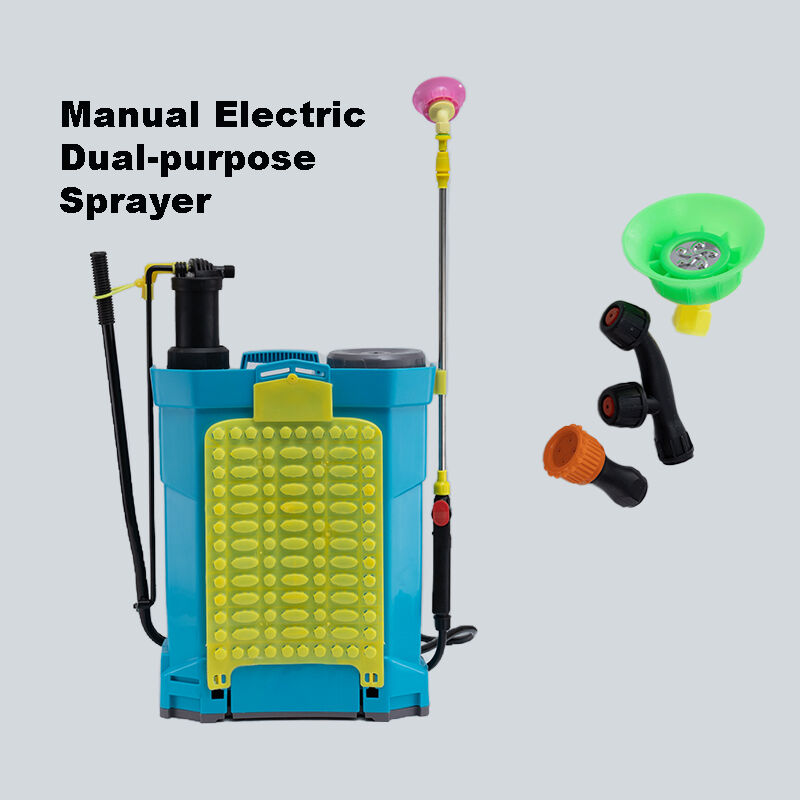
10–20L Backpack Manual Sprayers for Large or Multi-Section Beds (>100 sq ft)
Backpack sprayers are really worth considering for flower gardens over 100 square feet, particularly those with multiple zones or sections. These sprayers can hold between 10 to 20 liters and distribute weight across both shoulders and hips, which makes them much easier on the back compared to handheld options when working for long periods. The pump is mounted on the frame so people can keep spraying as they walk around without stopping to refill constantly. Landscape professionals actually report something interesting about this topic too. They've found that spending time refilling traditional sprayers can waste nearly half an hour per acre just standing still. With extended range nozzles reaching out about six feet, these sprayers handle large areas like perennial borders quite well. Nearly all modern models come equipped with quick release tanks and built-in pressure indicators that help maintain proper pressure levels between 15 and 40 psi. This range works great for getting even coverage without damaging sensitive flowers.
Optimize Spray Precision and Control for Delicate Plants
Adjustable Nozzles and Consistent Mist Output for Petal-Sensitive Flowers
Getting the right adjustable nozzles makes all the difference when dealing with delicate flowers such as roses and orchids. The fine mist setting helps avoid those annoying petal bruises while still getting good coverage across leaves. We've seen cases where uneven spraying cuts down how well treatments work by about 30 percent on these sensitive plants. Keeping things consistent with water application is key too. It prevents overwatering problems and reduces the chances of fungus growing in areas where humidity stays high. Look for sprayers that come with different nozzle options like fan, cone shapes, and that adjustable mist feature. They let gardeners adapt to whatever kind of flowers they're working with. And don't forget to check out the spray pattern before actually using any product. Try it on a piece of glass first so you can see if there are gaps or spots missing. If something looks off, chances are the nozzle might be worn out or just not aligned properly anymore.
Targeted Spray Distance and Low-Pressure Modes to Prevent Runoff and Stress
When spraying plants manually, keep the nozzle about 12 to 18 inches away from foliage. Sprayers with pressure control dials allow gardeners to switch between different settings. The low pressure mode cuts down on impact force by around 60% compared to regular settings, which makes all the difference for delicate plants such as African violets that get stressed easily. Getting this right means fewer broken petals and less wasted chemicals running off into the soil. Some studies suggest gardeners save roughly 25% of their solutions this way instead of losing it to the ground. Adjusting spray distance throughout the seasons is important too. Plants tend to grow thicker leaves in summer, so getting a bit closer works better than in spring when new growth starts. Gardeners who spend long hours tending to plants appreciate wands that let them tweak pressure with just a finger movement while working through those extended sessions without fatigue setting in.
Prioritize Ergonomic Design and Ease of Use
Reducing User Fatigue: Pump Efficiency, Weight Distribution, and Grip Comfort
The way something is designed for ergonomics really affects how comfortable users feel and how accurately they can apply whatever they're using. Pump mechanisms that work efficiently cut down on the number of strokes needed by about thirty percent, as various studies in the field have shown. When someone doesn't have to put in so much effort, their hands stay steadier and they get better coverage overall. Backpack designs need to balance weight closer to the spine rather than resting it all on the shoulders if we want to prevent those muscle strains people often complain about. Handles shaped to fit the hand and made with materials that won't slip are another important factor against hand fatigue when doing the same motion over and over again. All these different aspects together help reduce the chance of injuries happening, make tools easier to handle over time, and actually prolong how long equipment lasts because people tend to take better care of what feels good to use.
Select the Right Manual Sprayer by Application Purpose
Spot Treatment vs. Broadcast Coverage: Matching Manual Sprayer Type to Pest or Disease Management
The choice of sprayer really depends on what kind of pest or disease management approach makes sense for the situation at hand. When dealing with small problem areas like those pesky aphid colonies or spots of fungus growing on specific plants, nothing beats a good old fashioned handheld sprayer that holds between half a liter to three liters. These compact units are light enough to carry around all day long, plus they come with nozzles that can be adjusted to create just the right amount of mist pressure needed for targeted applications. Gardeners find this particularly useful because it lets them apply chemicals exactly where they're needed without worrying too much about drifting onto nearby flowers or healthy foliage.
When dealing with stuff like powdery mildew spreading across several plant beds, nothing beats a good old backpack sprayer holding between 10 to 20 liters. These models spread chemicals evenly over larger areas without missing spots. Plus, they hold enough liquid so gardeners don't have to stop every few minutes to refill. The padded shoulder straps also help keep things comfortable even after hours of work around the yard. Handheld spritzers just aren't cut out for big jobs. According to some recent research from horticulturists back in 2023, nearly two thirds of folks using small handhelds end up wasting product through overspraying and leaving patches untouched. So before buying anything, think about how much area needs treatment and what kind of equipment makes sense for that particular situation.
FAQ
What capacity sprayer should I use for my small flower beds?
For small flower beds measuring less than 20 square feet, a handheld sprayer with a capacity of 0.5 to 3 liters is recommended.
How do I ensure even spray coverage in medium-sized flower beds?
Use a manual sprayer with a 5 to 10 liter capacity and a long wand of about 18 to 24 inches to ensure even spray coverage across medium-sized flower beds.
What type of sprayer is suitable for large gardens?
Backpack sprayers with a capacity of 10 to 20 liters are ideal for large gardens that exceed 100 square feet, especially those with multiple sections.
Why is ergonomic design important for manual sprayers?
Ergonomic design helps reduce user fatigue and ensures comfortable handling, improving precision in applications. Features like efficient pump mechanisms and balanced weight distribution enhance usability.
How does nozzle adjustment affect delicate plants?
Adjustable nozzles allow for fine mist settings, which are essential for minimizing petal bruising on delicate plants like roses and orchids.