
 EN
EN
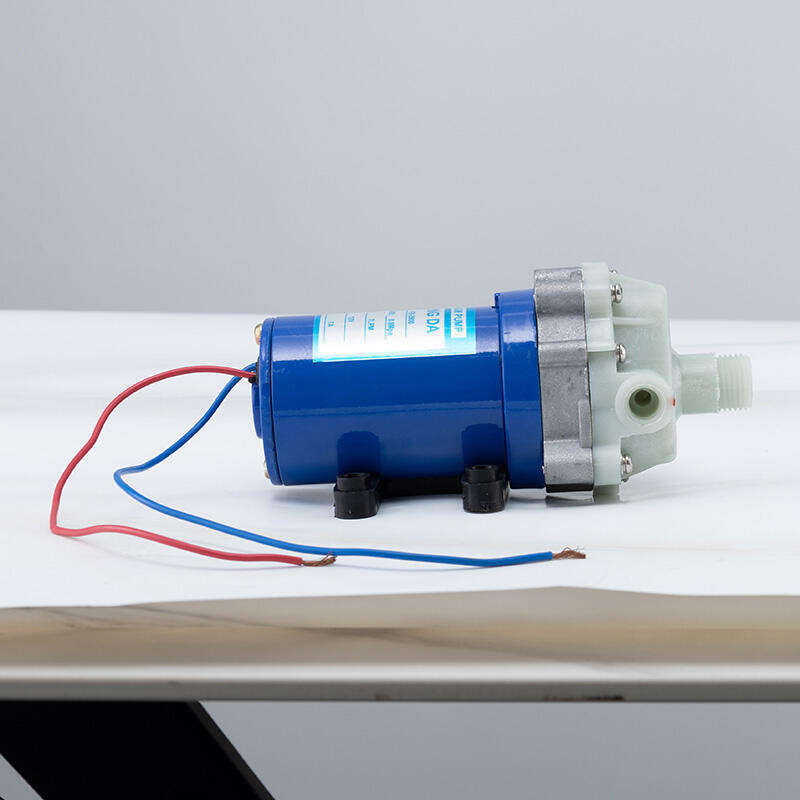
The Hydraulic Imperative: Why Pressure Resistance Is Critical for Industrial Water Pumps in Vertical Greenhouses
Hydrostatic head stacking across 4–12 storeys and its impact on pump demand
The design of vertical greenhouses creates some serious hydraulic headaches because of their stacked nature. Every extra level added to these structures increases the hydrostatic pressure needed, roughly about 0.1 bar for each meter we go up. Take a building with ten floors, for instance, and the pumps need to handle over 30 meters just from static head pressure by themselves. Then there's the issue with friction loss in those common PVC or PE pipes, which can throw another 1.5 to 2.5 bars onto the system in most setups. When we factor in what the emitters actually require around 1.5 to 2 bars the total pressure demand jumps up to between 5 and 8 bars for buildings of moderate height. This makes proper pump selection absolutely critical for anyone planning such a facility.
When there's too much hydraulic stacking happening, industrial water pumps basically have to fight harder than normal against all sorts of resistance building up. Pumps that aren't built for enough pressure often see their water flow drop by around 30% at higher levels in the system. We tend to notice these performance issues most when pumps are running past about 80% of what they're rated for, which actually happens quite frequently in those multi-level farming operations. Getting the right pump size isn't just about numbers on paper either. Farmers need to think about what happens during those busy periods when every irrigation zone is demanding maximum output at once across different elevation points in the field.
Risks of inadequate pressure resistance: cavitation, seal degradation, and crop yield loss
Underspecified pumps trigger destructive cascades. Pressure drops below vapor tension cause cavitation—imploding bubbles erode impellers at 10× normal wear rates. Simultaneously, elastomer seals deteriorate 3× faster when exposed to pressure spikes above rated thresholds. These failures manifest as:
- Cavitation damage: Pitting reduces pump efficiency by 15–25% within 6 months
- Seal degradation: Leakage losses exceeding 5% of total flow
- Systemic crop impact: Moisture variance >20% between floors
Yield losses follow inevitably. Tomatoes show 12–18% biomass reduction when pressure fluctuates beyond ±0.5 bar. Lettuce demonstrates 30% higher bolting rates under inconsistent irrigation. These outcomes stem directly from pressure instability—making robust pump specifications non-negotiable for vertical farming success.
Calculating Required Pressure Resistance for Industrial Water Pumps
Total dynamic head (TDH) breakdown: static head, friction loss, and elevation gain in PVC/PE systems
Accurate pressure calculations start with TDH (Total Dynamic Head) analysis for industrial water pumps. This combines three critical components:
- Static head: Vertical distance from water source to highest irrigation point (e.g., 1 bar ≈ 10 meters elevation)
- Friction loss: Resistance in PVC/PE pipes and fittings—longer runs or smaller diameters increase losses
- Elevation gain: Additional pressure needed for vertical lifts between greenhouse tiers
Pipe material significantly impacts friction: PE systems typically show 15–20% lower pressure drop than PVC at equivalent diameters according to fluid dynamics studies. For precise calculations, engineers measure static head with laser levels and simulate friction losses using hydraulic modeling software.
Recommended continuous-duty pressure rating: 8–12 bar for Tier-1 multi-storey greenhouse operations
Operational stability requires industrial water pumps to exceed minimum pressure needs by 25%. For structures exceeding 6 storeys:
- 8–10 bar systems suffice for compact hydroponic setups with ≈8 vertical tiers
- 10–12 bar ratings become essential for taller structures (9–12 tiers), high-flow aeroponic nozzles, or systems integrating pressure-compensating drippers
Undersized pumps operating near maximum capacity exhibit 300% higher failure rates according to irrigation reliability surveys. Leading Tier-1 greenhouse operators now mandate 12-bar certified pumps for all new 10+ storey installations—a standard proven to reduce maintenance costs by $740k annually (Ponemon 2023).
Engineering for Durability: Material and Design Choices in High-Pressure Industrial Water Pumps
Stainless steel vs. ductile iron casings under sustained >10 bar operation: balancing corrosion resistance and fatigue life
When choosing materials for industrial water pump casings that run above 10 bar pressure, engineers need to weigh corrosion resistance against how long the material will last under stress. Stainless steel stands out for its ability to resist corrosion, especially important when dealing with irrigation water loaded with fertilizers. The chromium in stainless forms a protective oxide layer that keeps chemicals from breaking it down over time. But there's a catch. Under constant high pressure cycles, stainless steel starts to lose its strength, which can shorten its useful life in greenhouses running nonstop day after day. Ductile iron tells a different story. Its special nodular graphite structure actually helps absorb stress spikes during pressure fluctuations, giving it great fatigue resistance. Still, this material needs some extra love in humid conditions. Most installations require either epoxy coatings or cathodic protection systems to prevent rust formation, something many plant managers forget until they see damage starting to appear.
| Material | Corrosion Resistance | Fatigue Life (10+ bar) | Cost Impact |
|---|---|---|---|
| Stainless Steel | High (passive layer) | Moderate (cyclic stress) | +30–50% |
| Ductile Iron | Moderate (needs coating) | High (graphite absorption) | Baseline |
What works best really comes down to what's in the water. Stainless steel is generally better for saltwater or acidic conditions where rust tends to be the main problem. Ductile iron, on the other hand, holds up well in clean water situations where the system needs to handle high pressure over time. Some field tests indicate that regular ductile iron components wear away about three times quicker than stainless ones when exposed to chlorides, according to Remadrivac's research from last year. But interestingly enough, these same iron parts actually hold up better against sudden pressure surges, showing around 40% greater resistance to mechanical stress during those spikes. So for most engineering teams, it's basically a tradeoff between materials that resist chemical attack versus those that stand up to physical stress, depending on exactly how the equipment will be used day to day.
Field-Validated Performance: Case Evidence from a 9-Storey Dutch Tomato Greenhouse
Grundfos CRNM industrial water pump deployment: 10.3 bar average discharge pressure and <0.7% unplanned downtime over 18 months
Operational validation in high-stakes vertical farming confirms that pressure resilience directly impacts crop security. In a 9-storey Dutch tomato facility, purpose-built industrial water pumps sustained 10.3 bar average discharge pressure across 3,200 weekly operational hours—exceeding the 8–12 bar threshold for multi-tier irrigation. Key outcomes from the 18-month trial:
- Cavitation events were eliminated at apex distribution points
- Dynamic seals showed <5% wear variance despite mineral-rich hydroponic solutions
- Unplanned downtime remained below 0.7%, securing 99.3% irrigation continuity
The hydraulic system kept things stable in those upper greenhouse levels where pressure changes usually mess with the microclimate and cause moisture problems for plants. Farmers noticed something pretty significant after switching systems - their vine crop yields went up about 11% compared to what they were getting before with older pumps. Getting those high pressure ratings (like ISO 5199 compliance) along with bigger impellers made all the difference when it came to preventing water hammer issues during zone transitions. These kinds of failures happen way too often in multi-tiered growing setups. Regular checks showed that the stainless steel parts held up against chloramine damage even when running continuously at over 10 bars of pressure, which is no small feat in these demanding environments.
Frequently Asked Questions (FAQ)
Why is pressure resistance critical for industrial water pumps in vertical greenhouses?
Pressure resistance is vital because vertical greenhouses require pumps to manage increased hydrostatic pressure and friction loss, ensuring adequate water flow and preventing inefficiencies at higher levels, which is crucial for uniform crop irrigation.
What risks are associated with inadequate pressure resistance in pumps?
Insufficient pressure resistance can lead to cavitation, seal degradation, and significant crop yield loss due to moisture variance and irrigation inconsistency.
How do you calculate the required pressure resistance for industrial water pumps?
Pressure resistance is calculated using Total Dynamic Head (TDH) analysis that combines static head, friction loss, and elevation gain, particularly in PVC/PE pipe systems, to ensure optimal performance across varying storeys.
What materials are suitable for high-pressure industrial water pumps?
Stainless steel is preferred for its corrosion resistance, especially in saline or acidic environments, while ductile iron provides excellent fatigue resistance and is suitable for clean water and high pressure demands.
Table of Contents
- The Hydraulic Imperative: Why Pressure Resistance Is Critical for Industrial Water Pumps in Vertical Greenhouses
- Calculating Required Pressure Resistance for Industrial Water Pumps
- Engineering for Durability: Material and Design Choices in High-Pressure Industrial Water Pumps
- Field-Validated Performance: Case Evidence from a 9-Storey Dutch Tomato Greenhouse
-
Frequently Asked Questions (FAQ)
- Why is pressure resistance critical for industrial water pumps in vertical greenhouses?
- What risks are associated with inadequate pressure resistance in pumps?
- How do you calculate the required pressure resistance for industrial water pumps?
- What materials are suitable for high-pressure industrial water pumps?