
 EN
EN
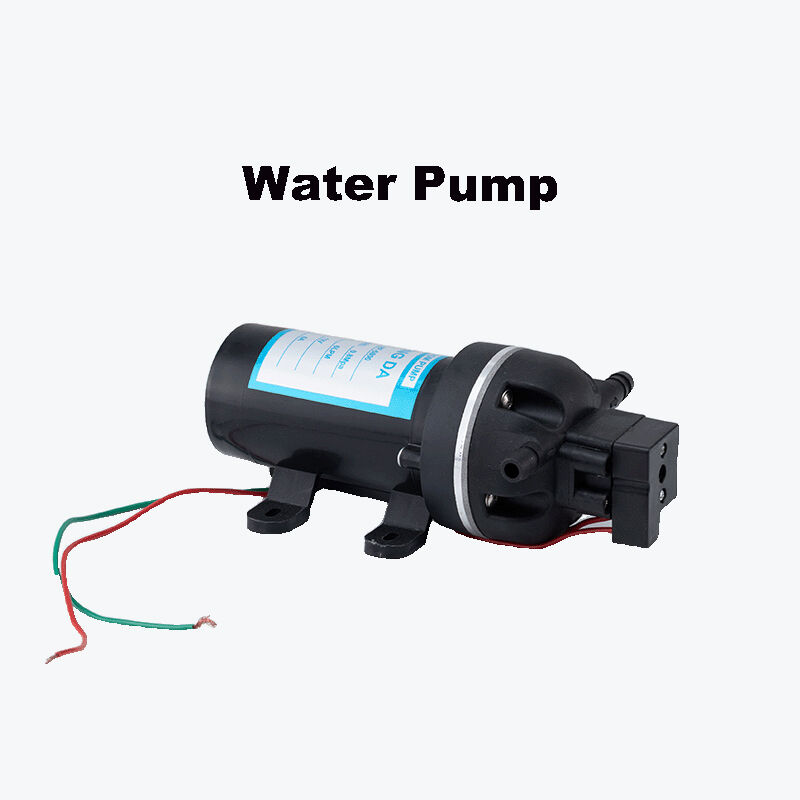
Unmatched Portability and System Integration for On-the-Go Farm Spraying
Electric diaphragm pumps set a new standard for mobile farm spraying—combining lightweight agility with field-proven performance. Their compact, tool-free integration into knapsack, backpack, and portable dual-power sprayers streamlines setup, enhances maneuverability in tight rows or uneven terrain, and accelerates transitions between fields.
Lightweight, compact design enabling seamless integration into knapsack, backpack, and portable dual-power sprayers
These pumps weigh around 40 percent less than similar gas, hydraulic, or pneumatic units, typically coming in at under 3 kilograms. Their compact size means they install quickly on all sorts of mobile equipment. There's no need for complicated brackets or fasteners either. Field technicians can snap them into place within minutes, sometimes right there on site when time is critical. The lighter weight makes everything easier from storing spare units in toolboxes to carrying them between job locations. Workers report noticeable improvements in their daily routines, especially when multiple teams are operating simultaneously during peak workloads.
Superior weight-to-flow ratio vs. gasoline, hydraulic, or pneumatic alternatives—reducing operator fatigue and transport burden
The efficiency actually makes a difference in practice. Take a standard 25 LPM electric diaphragm pump for instance. These pumps can match the flow rates of much heavier engine driven models but they cut down the physical burden by around 30 to maybe even 40 percent. The lighter weight really helps operators who need to work for hours at a stretch. Loading onto vehicles becomes simpler too. Fuel costs drop because there's less weight to haul around. And moving these pumps between different parts of big farms or broken up land areas happens faster. That matters a lot when dealing with things like applying herbicides at just the right moment or doing foliar feeding where timing is everything.
Reliable Fluid Handling in Challenging Agricultural Environments
Self-priming capability and high suction lift for flexible sourcing from drums, open tanks, or low-level reservoirs
These pumps can prime themselves up to 3 meters vertically, so they work great for drawing liquid from drums, open tanks, or those shallow ground level reservoirs without needing anyone to manually prime them first. The ability to handle different situations makes all the difference in rough terrain or during dry seasons when water levels drop and sources get further away. They're built to keep flowing steadily between 15 and 30 liters per minute, even when dealing with thick fertilizers or water full of sediment. Real world tests show these pumps experience about 40% fewer clogging problems than regular centrifugal pumps, which matters a lot for maintenance costs over time.
Safe dry-run operation during air ingestion or intermittent suction—critical for uneven terrain and variable spray demand
Seal dependent pumps tend to break down pretty quickly once they run dry, but diaphragm pumps keep running safely for long periods even when air gets sucked in from things like switching tanks, disconnected hoses, or just regular sloshing around on hillsides. The design of these pumps doesn't require oil and actually displaces material positively, which means they won't overheat or suffer mechanical damage if the flow stops suddenly. Farmers have reported cutting their pump replacement expenses by nearly two thirds according to some studies, specifically looking at farm operations where equipment failures cost an average of $740,000 each year according to research done by the Ponemon Institute last year. Plus there's another benefit too the sealed system stops chemicals from flowing back during those sudden pressure spikes, giving operators extra protection passively built into the system whenever nozzles happen to get clogged up.
Precision Control, Built-in Safety, and Energy Efficiency of the Diaphragm Pump
Electric diaphragm pumps deliver intelligent, energy-conscious performance without compromising safety or control. Their integrated engineering eliminates common failure modes found in legacy spraying systems—replacing external safeguards with inherent, responsive design.
Inherent Stall-Under-Pressure Protection: Automatic Motor Safeguard Against Clogged Nozzles or Closed Valves
If nozzles get blocked or valves shut without warning, the pump will stop working once it hits certain pressure limits, usually around 8 bar. This stops the motor from running when there's too much pressure building up, which helps prevent damage to the equipment. Most gear or piston pumps need extra pressure relief valves installed separately, but this model comes with a safety feature built right in. That means the whole system stays intact even when nobody is watching, which cuts down on unexpected breakdowns and saves time on maintenance visits. Operators appreciate this because it keeps things running smoothly without constant monitoring.
30–50% Lower Energy Consumption per Liter vs. Pneumatic or Engine-Driven Pumps—Reducing Operational Cost and Battery Drain
When put through their paces in standard 40 liter portable sprayers, electric diaphragm pumps actually move about 30 to 50 percent more fluid per kilowatt hour compared to those old school pneumatic or gas powered models. The extra efficiency really adds up too, giving operators around two to three additional hours of runtime between charges. That kind of battery life makes all the difference when working out in remote pastures or running equipment far from any power source. And since these pumps consume less energy overall, there's less need for constant refueling, which cuts down on both the cost per acre treated and how often someone has to stop and top up fuel tanks. Farmers can cover much larger areas each day without worrying about finding an electrical outlet or gas station somewhere in the middle of nowhere.
Durability and Low Maintenance: Extending Uptime in Demanding Field Conditions
Electric diaphragm pumps built for the toughest agricultural environments come with housings made from materials like polypropylene or PVDF that resist chemicals. Their reinforced rubber diaphragms plus sealed electronics stand up to harsh stuff like UV rays, dirt, water, and those strong agrochemicals farmers deal with daily. These pumps don't have those vulnerable parts like shaft seals or bearings that tend to break down over time. So even when pumping gritty slurries or running through countless start-stop cycles throughout the season, they last longer than traditional models. Farmers tell us they rarely need to replace parts these days. Most maintenance boils down to checking the diaphragm every now and then and maybe giving filters a quick clean if needed. According to some studies published in industry journals, farms using these designs see around a 30% drop in downtime related to maintenance work. That means equipment stays online during critical spraying periods, which makes a big difference in operational costs over several growing seasons.
FAQs
What are electric diaphragm pumps used for in agriculture?
Electric diaphragm pumps are predominantly used in agriculture for mobile farm spraying. They offer portability and ease of integration, enhancing spraying efficiency across different terrains.
How do electric diaphragm pumps reduce operator fatigue?
Electric diaphragm pumps have a superior weight-to-flow ratio compared to gasoline, hydraulic, or pneumatic alternatives. This design reduces physical strain, making them easier to transport and operate over long periods.
What makes electric diaphragm pumps energy efficient?
These pumps boast 30–50% lower energy consumption per liter compared to pneumatic or engine-driven pumps, extending battery life and reducing operational costs.
Are electric diaphragm pumps durable for challenging field conditions?
Yes, these pumps are built with materials resistant to harsh environments and chemicals. They lack vulnerable parts, which extends their lifespan and reduces maintenance needs.
Table of Contents
- Unmatched Portability and System Integration for On-the-Go Farm Spraying
- Reliable Fluid Handling in Challenging Agricultural Environments
- Precision Control, Built-in Safety, and Energy Efficiency of the Diaphragm Pump
- Durability and Low Maintenance: Extending Uptime in Demanding Field Conditions
- FAQs