
 EN
EN
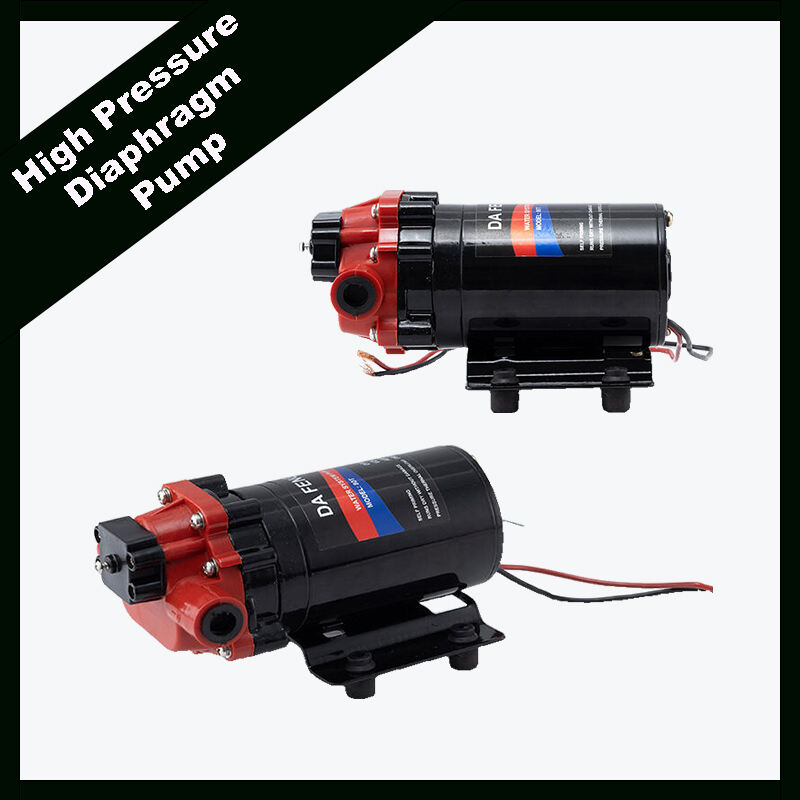
Why Pressure Consistency Is Critical for Greenhouse Crop Health and Yield
How pressure fluctuations impact emitter uniformity and root-zone water delivery
When pressure fluctuates beyond plus or minus 10%, it messes up how evenly water gets distributed through those little emitter holes. What happens next? Some spots get too much water, which raises the chances of diseases taking hold. Other parts of the field end up dry, stressing out plants and making them absorb nutrients way less efficiently according to some research from FAO back in 2023 showing drops between 15 to 30 percent. Farmers who invest in pumps that actually stabilize pressure tend to see better results because these devices maintain steady water flow. This helps avoid problems like salt buildup around roots and lack of oxygen in soil, both of which can really slow down crop growth if left unchecked.
Real-world impact: Case study â 12% yield gain in Dutch tomato greenhouse with ±5 kPa pressure control
Researchers at a top Dutch facility saw their beefsteak tomato yields jump by around 12% when they kept water pressure stable within about 5 kPa using optimized pump curves. With this kind of control, they stopped those annoying dry patches from forming along the drip lines, and fruit cracking dropped by nearly 20%. What makes this really interesting is how consistent pressure actually improves the final product quality. Their system could adjust automatically throughout the day as plants lost water through transpiration, making sure crops got just enough moisture exactly when they needed it most during key growing periods. This shows what good things happen when we invest in smarter pump controls for greenhouse irrigation systems.
Calculating Total Dynamic Head (TDH) to Size Your Agricultural Pump Accurately
Breaking down TDH: Static head, friction loss, and system operating pressure requirements
Total Dynamic Head (TDH) quantifies the energy your agricultural pump must deliver to move water through the irrigation system. It comprises three interdependent components:
- Static head: Vertical lift from water source to highest discharge point (e.g., 15 meters from reservoir to elevated greenhouse piping)
- Friction loss: Pressure drop caused by water moving through pipes and fittingsâdriven by flow rate, pipe material, diameter, and length (e.g., PVC systems lose 2â3 psi per 30 meters at 20 LPM)
- Operating pressure: Minimum pressure required at emitters to ensure proper function (e.g., 10â15 bar for mist nozzles)
| Component | Calculation Factor | Impact on TDH |
|---|---|---|
| Static Head | Elevation difference | +1 meter = 0.1 bar increase |
| Friction Loss | Pipe diameter/flow rate | Halves when pipe diameter doubles |
| Operating Pressure | Emitter specifications | Non-negotiable system minimum |
Neglecting any element risks pump mismatchâundersized units fail during peak demand, while oversized models waste energy and accelerate mechanical wear.
Common TDH miscalculations and their consequences for drip and mist irrigation systems
When people underestimate friction loss in irrigation systems, it actually causes about 40% of all drip system failures. This means water doesn't reach those downstream emitters properly. For tomatoes grown in arid regions specifically, if the pressure falls below 1.2 bar, farmers tend to see around an 18% drop in their yields. Another big problem happens when static head gets ignored. Greenhouses on slopes suffer from constant pump cavitation issues, which can cut down how long impellers last by as much as 70%. Perhaps the worst mistake though? Not accounting for elevation differences when setting up pressure compensation in those multi-zone misting systems. This creates dry patches throughout the greenhouse environment, and these dry areas become breeding grounds for various foliar diseases. Growers who take the time to map out total dynamic head (TDH) with precision have seen real improvements. Some Dutch agricultural operations started using digital modeling software back in 2023, and they managed to cut down pump related crop stress by roughly 34%, according to field tests conducted that year.
Matching Agricultural Pump Performance to Crop-Specific Flow and Pressure Needs
Pressure windows by crop type and growth stage: Lettuce (8â12 bar) vs. cucumber (12â16 bar)
Different plants need different water pressures at various points in their growth cycle. For example, lettuce typically needs around 8 to 12 bars when forming heads because this helps leaves grow quickly and keeps the stomata working properly. Cucumbers on the other hand require higher pressure, about 12 to 16 bars during fruit development stage, which maintains proper water movement through the plant and ensures calcium gets where it needs to go. Going beyond these pressure ranges can cause problems though. Too much for lettuce leads to root issues from lack of oxygen, while cucumbers might develop those ugly black spots at the bottom of the fruit. This shows why picking pumps based on what works for one crop doesn't always translate well to others if we want maximum yields.
Aligning pump curves with daily evapotranspiration (ETc) peaks and irrigation scheduling windows
Getting precision irrigation right means matching what the pumps are doing with those daily ETc patterns that usually hit their highest point around midday, somewhere between 10 AM and 2 PM locally. When tomatoes go from growing leaves to producing fruit, their water needs jump by about forty percent compared to earlier growth stages. That's where centrifugal pumps come in handy because they handle sudden increases in demand pretty well, keeping pressure within about five percent either way. This helps avoid situations where water doesn't reach all the way to the farthest emitters in the system and makes it possible to automate watering schedules effectively. The result? Less wasted electricity when there's not much need for water while still making sure crops get enough throughout the day.
Balancing Energy Efficiency, Durability, and Total Cost of Ownership in Greenhouse Pump Selection
When choosing an agricultural pump, there are really three main factors to consider: how much power it uses, how long it lasts, and whether it can be relied upon day after day. The Hydraulic Institute released some interesting findings last year showing that for most pumping systems, energy costs and maintenance together account for about two thirds of what growers actually spend over time. That's way more than just the upfront cost which typically makes up only around 10%. Farmers who invest in pumps with variable speed drives often see their electricity bills drop by nearly a third when running at less than full capacity. And those made from materials resistant to corrosion, such as stainless steel, tend to last much longer in damp greenhouse conditions. This matters a lot for crops needing higher pressure irrigation like tomatoes and cucumbers, since these systems get turned on and off so frequently that regular pumps simply wear out faster. Some newer smart controllers adjust output according to actual plant water needs measured in real time. While many commercial growers report getting their money back within 18 months thanks to lower utility expenses and fewer breakdowns, results can vary depending on local climate conditions and farm size.
FAQs
Why is pressure consistency important for greenhouse crops?
Pressure consistency ensures uniform water distribution to all plants, preventing dry spots and overwatering, which can lead to diseases and nutrient absorption issues.
What is Total Dynamic Head (TDH) and why is it important?
TDH is the energy required by a pump to deliver water through an irrigation system, factoring in elevation and pressure needs. Accurate TDH calculation prevents pump mismatch and system failures.
How can growers maximize energy efficiency in greenhouse pump selection?
Growers can select pumps with variable speed drives and corrosion-resistant materials, which reduce energy costs and maintenance requirements, making the system more durable and cost-effective.
What are the consequences of not aligning irrigation needs with pump performance?
Misalignment can cause pump cavitation, reduced yield, and dry patches, leading to plant diseases and stress. Proper alignment improves water distribution and crop health.
Table of Contents
- Why Pressure Consistency Is Critical for Greenhouse Crop Health and Yield
- Calculating Total Dynamic Head (TDH) to Size Your Agricultural Pump Accurately
- Matching Agricultural Pump Performance to Crop-Specific Flow and Pressure Needs
- Balancing Energy Efficiency, Durability, and Total Cost of Ownership in Greenhouse Pump Selection
- FAQs