
 EN
EN
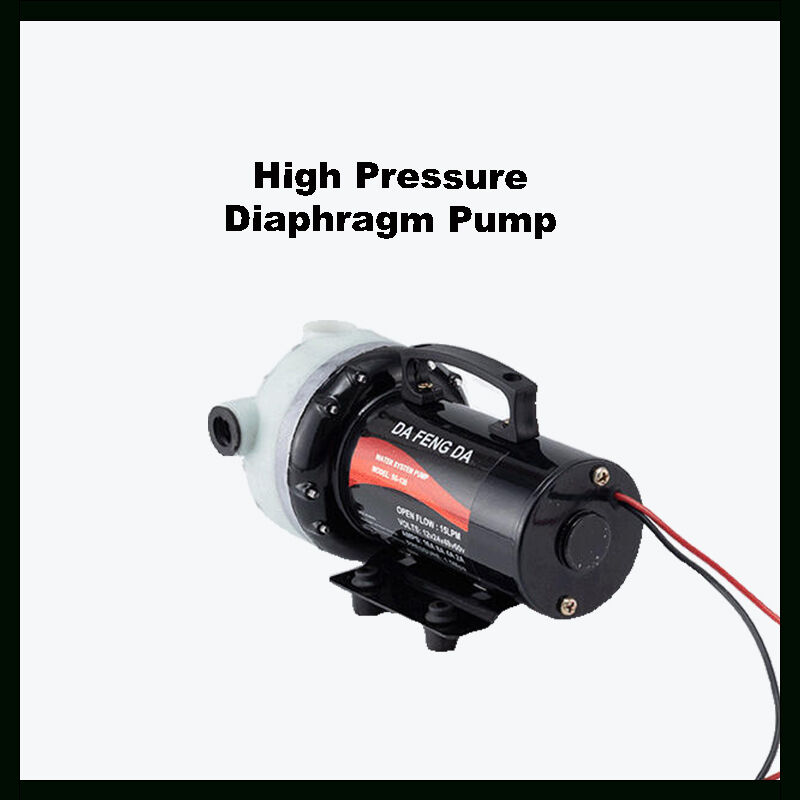
Choose the Right Portable Water Pump for Your Farm and Storage Needs
Types of portable water pumps: Submersible vs. surface-mounted
When picking out a portable water pump, it all starts with knowing which of the main options works best for the job at hand. There are basically two kinds to consider: those that go completely underwater (submersible pumps) and ones that stay on top of the water surface (surface mounted). The submersibles work great when dealing with deeper wells or ponds since they can be left sitting in water without any issues. Surface pumps, on the other hand, sit outside the water source and pull liquid through hoses. These tend to be better suited for shallower spots such as small streams or storage tanks around farms. Irrigation specialists often point out that submersible units typically perform better in situations involving deep water needs. But don't overlook surface mounted pumps either because they make maintenance much simpler. For farmers who need to fix things quickly during planting season, this accessibility makes all the difference between getting back online fast or facing costly delays.
Matching pump type to agricultural use and environmental conditions
The choice of pump really depends on what's needed for the farm and how things look locally. Surface mounted centrifugal pumps work pretty well for basic tasks like flood irrigation or giving animals water when the source isn't too deep, since they deliver adequate flow without breaking the bank. Submersible pumps tend to perform better when dealing with deeper wells or situations where dirt and debris could block regular intake systems. Farmers need to think about several factors including how deep their water source is, what kind of quality it has (like how much sediment is floating around), and exactly how much water needs to move through the system each minute measured in GPM. For properties far away from main roads or power lines, diesel or gas powered pumps often make more sense because they don't rely on electricity. Electric versions are still great options though for farms that have reliable grid connections nearby.
Durability considerations for rugged farm environments
Farm equipment just has to last through all sorts of rough conditions dust, mud, rain, and constant bumps around the fields. When picking out pumps, go for ones made from stuff that won't rust easily stainless steel works great, or those composite materials that hold up better against wear and tear. This matters a lot if the water being pumped has lots of minerals or chemicals mixed in it. Equipment that's built in modules with parts that can be reached without tearing everything apart makes life much easier during repairs out in the middle of nowhere, which saves money over time instead of constantly replacing whole units. Don't forget about safety features either thermal overload protection stops things from overheating, while good quality debris filters keep dirt and grit from damaging internal components. These little extras make all the difference when machines need to keep running day after day in tough farming environments.
Prepare Your Portable Water Pump for Storage with Proper Cleaning
Proper cleaning is the most critical step in preparing your portable water pump for storage. Thorough maintenance prevents residue buildup and ensures operational readiness when you need it most.
Step-by-step cleaning and flushing to prevent residue buildup
First things first, make sure the pump is unplugged or disconnected from whatever power source it's using. Safety gear matters too so grab those gloves and goggles before getting started. Next up, run some clean water through the whole system to wash away any dirt, grit, or leftover chemicals hanging around inside. Let it flow for at least a few minutes just to be thorough. For cleaning, reach for a soft bristled brush rather than something abrasive. Give all the outside parts a good going over, then get into the nitty gritty stuff inside. The impeller area tends to collect gunk pretty badly, same with the intake section. These spots need extra love since they're prime real estate for buildup problems down the road.
Draining all water to prevent freeze damage and internal corrosion
After cleaning, completely drain all water from the pump housing, hoses, and internal chambers. Residual moisture can lead to internal corrosion and freeze damage during storage, potentially compromising pump efficiency and lifespan. Tilt the pump to ensure all water exits through drainage ports.
Dry vs. residual moisture: Best practices in post-use pump care
The ideal storage condition is completely dry any residual moisture creates opportunities for corrosion and mineral deposit formation. After draining, allow the pump to air dry thoroughly in a well-ventilated area. Consider using compressed air to remove moisture from hard-to-reach internal components before final storage.
Inspect and Maintain Components Before Long-Term Storage
Proper inspection and maintenance before storage are critical for ensuring your portable water pump remains operational when you need it most. A thorough pre-storage check can prevent minor issues from becoming major failures during the off-season.
Check seals, hoses, and impellers for wear or damage
Take a good look at all those seals and gaskets to see if there are any cracks or signs of getting brittle over time. When seals start failing, they cause leaks and make everything work harder than it needs to. Don't forget to check the hoses too run your hands along them to spot any abrasions, bulges, or areas that feel softer than normal since these are clear signs of wear and tear. The impeller deserves attention as well. Look out for corrosion buildup, bits of debris stuck in there, or any kind of erosion damage because these problems really mess with how effectively the pump works. Getting ahead of these maintenance issues before putting equipment away for storage makes sense both practically and economically. Fixing small problems now saves money down the road when what might have been minor fixes turn into major repair bills.
Lubricate moving parts and replace worn components
Putting the right lubricant on bearings, shafts, and all those moving bits helps stop rust from forming and keeps things running smoothly when the machine gets turned back on after sitting idle. Don't wait till spring cleaning to swap out parts that look beat up or cracked fix them now while they're still visible problems. When we stick to regular oiling schedules and replace parts before they fail completely, machines tend to last way longer. Equipment breakdowns during production just cost time and money, so staying ahead of maintenance issues pays off big time in the long run for most industrial operations.
Battery and fuel system maintenance for motorized portable water pumps
When dealing with motorized equipment, it's best practice to either empty out all fuel from the system or throw in some stabilizer to stop those annoying varnish deposits from forming on carburetors. Take out the batteries too and put them somewhere temperature controlled where they won't get damp. Keep them charged up properly throughout storage time, maybe invest in one of those trickle chargers if budget allows. Taking care of these components makes sure engines start without trouble later on and saves money by avoiding repairs down the road when machines sit idle for months at a time.
Store in a Safe, Dry Environment to Maximize Lifespan
Proper storage conditions are critical to extending the operational life of your portable water pump. A controlled environment protects internal components from environmental damage and reduces the risk of unexpected failures when the pump is needed again.
Ideal storage conditions: Temperature-controlled, dry, and elevated
Portable water pumps should be stored somewhere where the temperature doesn't fluctuate too much, like inside a shed or equipment room rather than outside exposed to weather extremes. Putting the pump up on some kind of platform or shelf instead of directly on concrete makes sense because concrete tends to pull moisture from equipment over time, plus it keeps dirt and debris away from critical parts. The ideal storage range is around 50 to 80 degrees Fahrenheit (about 10 to 27 Celsius). When stored within this range, important components like seals, those little rubber O rings, and various plastic pieces last longer without cracking or warping. Extreme cold can make plastics brittle while excessive heat causes materials to degrade faster than normal.
Prevent rust and chemical exposure during off-season storage
Keep pumps away from fertilizers, pesticides, and other corrosive chemicals that can accelerate metal degradation. Chemical exposure accounts for nearly 20% of premature pump failures according to agricultural maintenance guidelines. Ensure storage areas are well-ventilated and separate from chemical storage zones to prevent fume-related corrosion.
Use protective covers and ensure proper air circulation
While protective covers shield pumps from dust and physical damage, they must allow air circulation to prevent moisture accumulation. Use breathable, waterproof covers rather than plastic tarps that trap humidity. Proper ventilation prevents mold growth and electrical component degradation during extended storage periods.
Transport and Handle Portable Water Pumps Safely On and Off the Farm
Proper handling during transport is crucial for maintaining your portable water pump's performance and preventing damage. Whether moving it across fields or loading it onto a vehicle, following safe practices ensures both equipment longevity and operator safety.
Safe lifting techniques and secure placement during transport
When moving a portable water pump, always bend at the knees instead of straining the back muscles, and make sure to hold the weight close to the torso area for better balance and less stress on the spine. If dealing with those heavier units that weigh a ton, it's smarter to get help from another person or invest in some sort of lifting aid device. During transportation, securing the pump properly is crucial stuff. Wrap it tightly with heavy duty straps or bungee cords across all sides so nothing shifts around while being moved. Place whatever carrier or container on level ground whenever possible to stop accidental tipping over. Also worth noting is keeping the pump clear of anything sharp lying around the worksite, since even small nicks can lead to bigger problems later on down the road when transporting between locations.
Using padded carriers, straps, and trailers for impact protection
Protecting equipment during transport should be a priority for anyone serious about maintaining their gear. Specialized padded carriers made for water pumps offer essential protection from those inevitable bumps and road vibrations that can damage delicate parts. Transporting via trailer or truck bed? Lay down thick rubber mats or quality foam padding underneath before loading the pump. The difference between regular rope and ratchet straps matters more than most people realize those cheap ropes just don't hold up over time and will eventually come loose, potentially causing serious damage mid-transit. When moving pumps across state lines or longer distances, investing in a proper storage container with custom cut foam inserts makes all the difference. These cases actually wrap around the unit, keeping everything secure while protecting vulnerable areas like pressure gauges and electrical connections that are far too easy to break if handled carelessly.
Ensuring quick readiness and safe operation after storage
Once it arrives at its destination, take a moment to look over that portable water pump before actually using it. Take note if there are any connections that feel wobbly, spots where the hoses show signs of damage, or places where water might be leaking after being moved around. Make sure those protective caps and covers are off the intake and outlet ports too they tend to get stuck sometimes. Give the pump a short run through just to see if everything works right, especially important since we don't want surprises when dealing with essential farming tasks later on. Spending this little bit of time upfront really pays off in terms of avoiding problems down the road when reliable water transfer becomes absolutely necessary out in the fields.
FAQ Section
What is the difference between submersible and surface-mounted pumps?
Submersible pumps are designed to operate underwater, making them suitable for deep wells and ponds. Surface-mounted pumps sit outside the water source and are ideal for shallower areas like streams and storage tanks.
How do I choose the right pump for my farm?
Select a pump based on your water source depth, sediment levels, and water flow requirements. Diesel or gas-powered pumps are suitable for remote locations, while electric pumps are ideal for areas with reliable electricity.
What are the key maintenance steps for storing a portable water pump?
Key maintenance steps include cleaning and flushing the pump, draining all water, checking for wear and damage, lubricating moving parts, and ensuring proper storage conditions.
How can I prevent rust and corrosion during storage?
Store the pump in a dry, temperature-controlled environment away from corrosive chemicals. Use protective covers that allow air circulation to prevent moisture accumulation.
Table of Contents
- Choose the Right Portable Water Pump for Your Farm and Storage Needs
- Prepare Your Portable Water Pump for Storage with Proper Cleaning
- Inspect and Maintain Components Before Long-Term Storage
- Store in a Safe, Dry Environment to Maximize Lifespan
- Transport and Handle Portable Water Pumps Safely On and Off the Farm
- FAQ Section