
 EN
EN
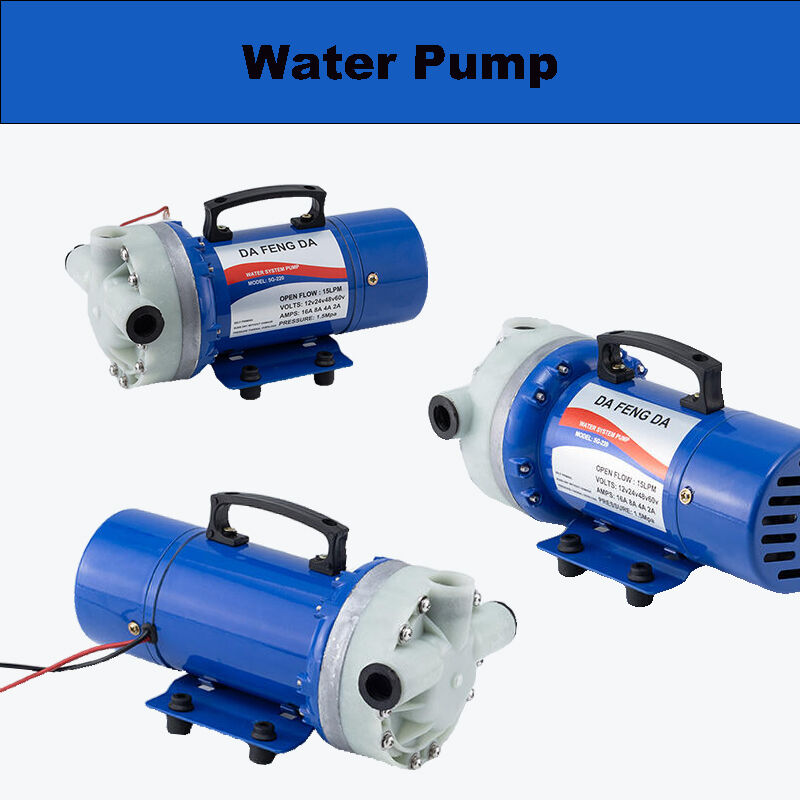
Material Resistance of Chemical Pumps to Corrosive Agricultural Chemicals
How Acidic Fertilizers and Oxidizing Agents Degrade Standard Pump Materials
When acidic fertilizers mix with oxidizing agents, they start chemical reactions that eat away at regular pump materials such as carbon steel and standard stainless steels pretty quickly. What happens next? Pitting forms here and there, cracks appear unexpectedly, and surfaces just wear down over time. All this damages the pumps' strength and their ability to maintain proper seals. According to recent studies from Fluid Handling Report in 2023, pumps working with fluids having pH below 4.0 show material breakdown rates around 70 percent higher compared to what we see in normal conditions. The consequences are real problems for operations. Flow gets inefficient, pressure drops off, and worst case scenario? Total system failure unless someone catches it before things get bad.
Corrosion-Resistant Materials: The Role of PTFE, Fluoropolymers, and Specialty Alloys
Modern agricultural pumps need to stand up against all sorts of harsh chemicals, which is why manufacturers are turning to some pretty impressive materials these days. Take PTFE linings for instance they form this non-reactive layer that keeps corrosive fluids away from sensitive metal parts inside the pump housing. Then there's PVDF, another fluoropolymer that handles both acidic and alkaline solutions without breaking down, plus it stays strong even when things get hot during operation. When actual metal strength matters most, farmers rely on super duplex stainless steel or those tough nickel alloys that can take a beating from constant chemical exposure and mechanical stress. All these different material choices work together so that pumps keep running smoothly year after year, no matter what aggressive chemicals they're pumping through fields and processing facilities across the country.
Case Study: Extended Service Life of PTFE-Lined Pumps in Citrus Farm Nutrient Delivery
A five-year study across Florida citrus farms evaluated the performance of PTFE-lined pumps in high-acidity nutrient delivery systems. Researchers monitored 42 pumps handling fertilizer solutions with pH levels between 2.8 and 3.5, comparing PTFE-lined models to conventional stainless steel units. Key findings included:
| Performance Metric | PTFE-Lined Pumps | Standard Stainless Pumps |
|---|---|---|
| Annual maintenance events | 0.7 | 3.2 |
| Mean time between failures | 4.8 years | 1.3 years |
| Replacement part costs | $240/year | $1,150/year |
| Operational efficiency after 3 years | 94% | 72% |
After five years, PTFE-lined pumps retained over 90% of their original flow capacity, while 78% of standard pumps required full replacement by year three due to severe corrosion.
Best Practices for Selecting Chemical Pump Materials Based on pH and Chemical Exposure
Selecting the right pump material requires evaluating fluid chemistry and operating conditions. Critical factors include:
- pH level and fluctuations
- Chemical concentration
- Operating temperature extremes
- Presence of abrasives or suspended solids
When dealing with really acidic stuff where pH drops below 4.0, PTFE lined pumps or those made entirely from plastic tend to work best for protection against corrosion. Most things that fall into the neutral zone or slightly on the alkaline side (around pH 6.0 to 9.0) can handle regular 316 stainless steel without too many issues. But watch out for those super strong alkalis above pH 10.0 since they often need special metal blends like Hastelloy or even composite construction materials. Before going all in on any pump selection, it pays to check those official chemical compatibility guides and maybe run some quick tests with small samples first. Experience shows this extra step saves money and headaches down the road when reliability matters most.
Operational Durability Under Continuous Agricultural Irrigation Cycles
Challenges of 24/7 Operation: Thermal Stress, Vibration, and Seal Degradation
Running chemical pumps continuously throughout irrigation periods puts them under serious strain from heat buildup, constant shaking, and worn out seals. When fluids keep moving for long stretches, parts expand and contract repeatedly, which gradually breaks down the materials holding everything together. The spinning impellers and motors create tiny cracks in pump housings and their mounting points, making things wear out faster than expected. Seals have it particularly tough since they deal with both harsh chemicals eating away at them and the friction from all that motion, which makes leaks much more likely. All these factors working together mean pumps used nonstop tend to last about 40 percent less time than those operated only when needed according to the latest findings from the Agricultural Pump Reliability Report published in 2024.
Minimizing Downtime Through Predictive Maintenance and Smart Pump Design
Common Causes of Unplanned Downtime in Agricultural Chemical Pump Systems
When pumps fail unexpectedly on farms, it usually comes down to three main problems: leaking seals, clogged impellers, and parts breaking down because of corrosion. According to research published last year about irrigation systems, nearly half (around 42%) of all chemical pump failures happened when those mechanical seals started leaking. Another third, about 31%, came from blockages inside the pumps where fertilizer crystals or leftover pesticides built up over time. The real trouble spots though are systems that deal with gritty mixtures or acidic additives. These setups tend to wear out much faster as they go through constant temperature changes and get shaken apart by vibrations day after day.
Predictive Maintenance: Using Data Algorithms to Optimize Service Intervals
The shift from scheduled maintenance to real time decisions based on sensor readings has transformed equipment management. Pumps today come equipped with monitoring systems that keep tabs on things like vibrations, temps, and how efficiently motors are running. These systems actually use machine learning to spot problems before they become serious. Farmers who have adopted this kind of predictive approach tell us their unplanned downtime dropped by around 60% and maintenance bills went down roughly 30% compared to what they used to spend. When the system catches something like seals starting to wear out or bearings getting unstable early on, repair crews can plan fixes when it makes sense operationally instead of scrambling during harvest season or other critical times when every minute counts.
Design Innovations: Self-Cleaning Features and Clog-Resistant Flow Paths
New pump designs are starting to tackle those pesky failure spots that have plagued operators for years. Some models come with reverse flush capabilities that sweep away debris buildup inside the system. Others feature bigger flow channels which makes them less likely to get stuck when handling thick substances like molasses or materials that tend to form crystals over time. The impellers and outer shells often sport special coatings that keep aggressive chemicals from sticking around and causing problems. And then there's the magnetic drive technology which gets rid of those troublesome mechanical seals altogether since they're a major source of leaks. Combine all this with smart sensors that can detect changes in pressure patterns, and the pumps will automatically start their cleaning routines long before anyone even notices a drop in performance. This kind of proactive maintenance really helps maintain consistent operation across different applications.
Total Cost of Ownership: Economic Benefits of High-Durability Chemical Pumps
Shifting Industry Trends: Higher Initial Investment for Lower Lifetime Costs
Farmers and agribusinesses are starting to look beyond just what chemical pumps cost at checkout these days. They're getting smarter about Total Cost of Ownership (TCO) instead of focusing solely on sticker prices. Sure, those corrosion resistant pumps come with bigger price tags initially, but they actually save money in the long run because they last so much longer and break down less often. Let's put this into perspective - the actual purchase price only makes up around 10 to maybe 15 percent of everything a pump will cost over its lifetime. Most of the expense comes from regular maintenance, running costs, and all that lost time when pumps go kaput. Real world experience shows farms that switch to PTFE lined pumps or ones made with special alloys tend to replace them about 40 to 60 percent less frequently than standard models. That means less downtime, fewer trips to order replacements, and overall lower costs across the board for materials and labor.
ROI Analysis: Calculating Savings from Reduced Replacement and Downtime
When looking at ROI for durable pumps, farmers need to consider all those hidden savings from what they're not spending on repairs, leaks, and lost production time. Most growers find that their investment pays off pretty quickly actually – somewhere between 18 and 36 months just from having fewer breakdowns. A recent survey of agricultural operations showed around $12k saved each year per pump when factoring in both repair bills and replacement parts. What really makes these pumps worth the extra upfront cost though is how they perform during those crucial growing periods. When chemicals get applied consistently without interruption, crops develop properly and nobody has to worry about losing entire harvests because applications got delayed due to equipment failure.
FAQ
What causes corrosion in chemical pumps?
Corrosion in chemical pumps is primarily caused by acidic fertilizers and oxidizing agents that react with standard pump materials like carbon steel and stainless steel, leading to material degradation.
What materials are best for corrosion-resistant pumps?
PTFE, PVDF fluoropolymers, and specialty alloys like super duplex stainless steel and nickel alloys are commonly used to construct corrosion-resistant pumps due to their durability against harsh chemicals.
How can pumps be maintained for longer service life?
Implementing predictive maintenance with sensors and smart algorithms can significantly reduce downtime. Regularly monitoring vibrations, temperatures, and motor efficiency helps in detecting early signs of pump wear and tear.
What is the advantage of PTFE-lined pumps in acidic conditions?
PTFE-lined pumps provide a protective non-reactive barrier that significantly reduces maintenance events, extends the mean time between failures, and lowers replacement costs compared to standard stainless steel pumps.
How do design innovations help minimize pump downtime?
Pumps with self-cleaning features, clog-resistant flow paths, and magnetic drive technology prevent common issues like clogging and leaking seals, thus reducing downtime and maintenance needs.
Table of Contents
-
Material Resistance of Chemical Pumps to Corrosive Agricultural Chemicals
- How Acidic Fertilizers and Oxidizing Agents Degrade Standard Pump Materials
- Corrosion-Resistant Materials: The Role of PTFE, Fluoropolymers, and Specialty Alloys
- Case Study: Extended Service Life of PTFE-Lined Pumps in Citrus Farm Nutrient Delivery
- Best Practices for Selecting Chemical Pump Materials Based on pH and Chemical Exposure
- Operational Durability Under Continuous Agricultural Irrigation Cycles
- Minimizing Downtime Through Predictive Maintenance and Smart Pump Design
- Total Cost of Ownership: Economic Benefits of High-Durability Chemical Pumps
- FAQ