
 EN
EN
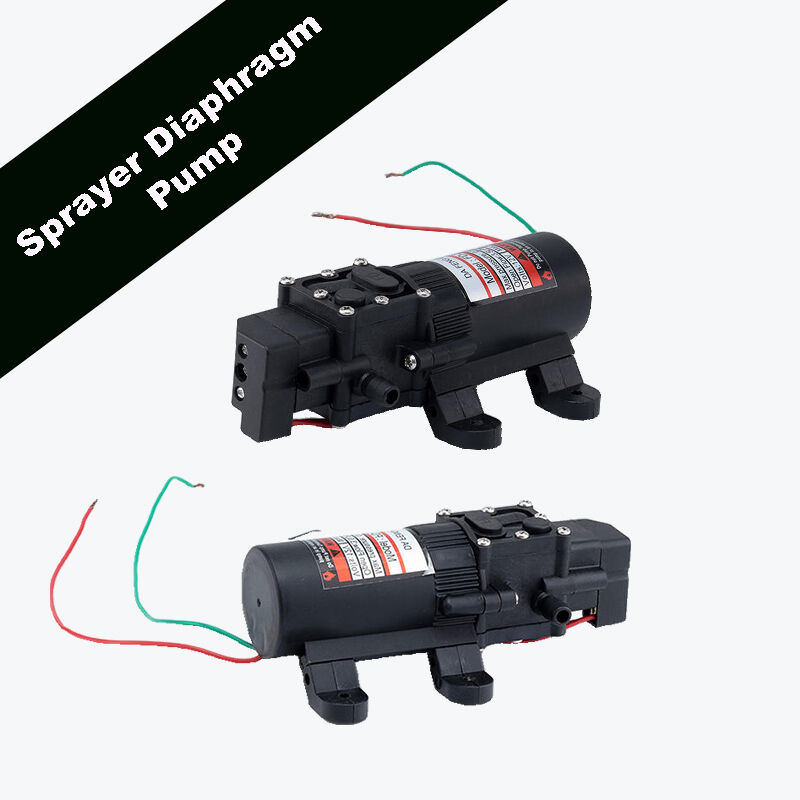
Key Factors Affecting Diaphragm Pump Durability in Agricultural Environments
Environmental Stressors: UV Exposure, Temperature Fluctuations, and Dust Ingress
Farm diaphragm pumps face harsh conditions outdoors that really impact how long they last before needing replacement. When these pumps sit out in the sun for too long, the plastic parts start breaking down. The housing gets brittle and cracks appear in both the casing and the flexible diaphragm itself. Temperature extremes also take their toll. Cold winter nights followed by hot summer days create all sorts of stress on materials, which makes them wear out faster and breaks the seals that keep everything tight. Dust and dirt particles get into the system too, wearing away at valves and other moving pieces over time. Farmers who switch to pumps made with special UV resistant materials and better seals report getting about twice as much use from them in field conditions compared to regular pumps without these features.
Chemical and Abrasive Challenges from Water Sources and Agrochemicals
In agricultural settings, diaphragm pumps face tough challenges from harsh substances such as fertilizers, various pesticides, and water loaded with sediment. The chemicals tend to corrode metal parts over time, while tiny abrasive particles gradually wear down critical areas inside the pump, especially around the valves and diaphragm surfaces. Newer pump designs now feature special elastomers and composite materials that can handle extreme pH conditions ranging between 3 and 11, which means farmers don't have to service them as often. According to recent field tests, these upgraded pumps with chemical resistant diaphragms last about two and a half times longer during agrochemical transfers compared to older standard models, making them much more cost effective in the long run for farm operations dealing with corrosive liquids regularly.
Material Engineering Advances Enhancing Long-Term Resilience
Material science breakthroughs are making agricultural diaphragm pumps last much longer than before. Farmers are seeing multi-layer composite diaphragms that can bend and flex over 100 million times without breaking down, plus they resist chemicals that would normally eat through standard materials. The housing itself is getting better too, with fiber-reinforced polymer casings that stand up to impacts but weigh half as much as traditional metal ones, which means mechanics can carry them across fields without straining their backs. When we look at all these improvements along with better manufacturing techniques, most farmers report their pumps last about twice as long as models from ten years ago. And there's something else happening under the hood worth mentioning ceramic components in the valves are becoming standard equipment now. These ceramics hold up against the gritty irrigation water that comes straight out of wells and reservoirs, so farmers don't have to replace parts every season anymore.
Critical Material Resistance and Construction Quality in Diaphragm Pumps
Role of brass and anodized aluminum in corrosion and wear resistance
When building agricultural diaphragm pumps that need to last through tough conditions, brass and anodized aluminum stand out as go-to materials. Brass stands up well against dezincification problems in water that isn't too harsh, plus it naturally fights off microbes, which is why many manufacturers choose it for parts where fluids come into contact with organic stuff. The anodized aluminum creates a tough outer shell that blocks UV damage, resists chemicals, and holds up when faced with fertilizer runoff, pesticide residues, and salty irrigation water. Field tests conducted across various farming regions show that equipment built with these materials typically lasts around 40% longer than standard versions before needing replacement or repair in the rough outdoor environment they face daily.
Evaluating diaphragm, valve, and housing materials under real-world chemical exposure
Selecting appropriate materials requires matching component chemistry to specific agrochemicals. Different elastomers exhibit distinct resistance profiles:
| Material | Chemical Resistance | Abrasion Resistance | Temperature Range | Best For |
|---|---|---|---|---|
| EPDM | B+ | B+ | -40°F to 280°F | Water-based chemicals |
| FKM | A | C | -40°F to 350°F | Aggressive solvents |
| PTFE | A+ | F | -35°F to 220°F | Concentrated acids |
Farmers must align diaphragm and valve materials with their chemical usage; mismatched materials may fail within months due to swelling, cracking, or loss of elasticity.
Balancing lightweight design with structural durability in field conditions
Today's diaphragm pumps incorporate some pretty impressive polymer materials such as glass reinforced polypropylene and carbon fiber composites which help cut down on overall weight while still keeping things strong enough for real world applications. Compared to older metal alternatives, these modern materials offer superior strength relative to their weight and they resist chemicals much better too. That means manufacturers can create pump designs that are actually portable and withstand all sorts of rough handling during transport and regular field operations. What makes this combination so valuable is how it stands up over time. Farmers and agricultural workers rely on these pumps through entire growing seasons without worrying about breakdowns from constant use. Even after months of repeated mechanical stress, the pumps tend to keep performing reliably instead of showing signs of wear and tear that would require frequent replacements.
Performance Requirements for Reliable Agricultural Water Transfer
Essential performance parameters: flow rate, pressure, and suction head
Getting good results from agricultural water transfers really comes down to getting three things right: how much water flows through (flow rate), the pressure behind it, and what's called suction head. Flow rates are usually measured in gallons per minute or GPM for short, and they need to line up with what the irrigation system actually needs plus what the water source can provide. For most setups out there, somewhere between 20 and 60 pounds per square inch works best when dealing with hills or long pipe runs that lose pressure along the way. When pulling water from places like ponds, wells, or storage tanks, suction head becomes super important. Most self-priming pumps can handle lifting water about 15 to 25 feet before they start struggling. Some real-world tests show that matching these factors correctly cuts down on energy costs around 30 percent and keeps the water flowing evenly across fields without sudden drops or surges.
Self-priming and dry-run capabilities for intermittent outdoor operations
The self-priming ability of diaphragm pumps means they can clear air out of suction lines all on their own and get fluid moving again without needing someone to manually prime them. This becomes really important when farmers switch between different water sources or need to restart operations after doing maintenance work. Another key benefit comes from dry run protection which stops the pump from running when there isn't enough water available. This prevents things like overheating and wear on parts that could otherwise break down over time. Agricultural settings rely heavily on these kinds of features since irrigation systems tend to start and stop repeatedly as they move water through various sections of farmland or across different crop areas throughout the day.
Matching pump output to irrigation cycles and variable terrain demands
Getting water management right means matching what the pumps put out with what crops actually need at different times of year and considering how land slopes and curves. Farmers now rely on variable speed drives along with adjustable flow controls so they can deliver just the right amount of water for each stage of plant growth. When dealing with hills and valleys, pumps face real challenges keeping pressure steady even when there are elevation changes of hundreds of feet between fields. Newer diaphragm pumps come equipped with pressure compensation features that automatically adjust based on actual demand from the system. These smart adjustments help ensure consistent performance whether running a single irrigation line or multiple zones all at once. The result? Better water efficiency overall and significant savings on energy costs for farms big and small across various agricultural settings.
Proactive Maintenance Strategies to Extend Diaphragm Pump Lifespan
Common failure points in agricultural settings and how to prevent them
Agricultural diaphragm pumps tend to fail mainly because of worn out diaphragms, valves getting clogged up, and seals breaking down from all the dirt, chemicals, and abrasive materials they handle day after day. Farmers who take time to inspect their equipment regularly stand a much better chance of catching problems before they become major headaches. Look closely at those diaphragms for any signs of cracking, blistering, or strange swelling from exposure to harsh chemicals. According to field studies conducted across several Midwestern farms last season, replacing parts that show early signs of wear can actually boost pump lifespan by around 20% or so. This matters especially during peak planting and harvesting periods when even a few hours of downtime can translate into thousands lost in potential revenue.
Maintenance routines for pumps exposed to sediments and corrosive agents
When dealing with pumps that handle dirty water or aggressive chemicals, it's essential to give them a good rinse with clean water after each use. This helps wash away leftover debris and particles that can really speed up the wear and tear on the equipment. For proper maintenance, aim to do a complete service run after around 300 hours of work or when the season wraps up. The process should include draining all fluids, giving everything a thorough cleaning inside, and swapping out worn parts like valves and seals which tend to degrade over time. Putting these pumps away somewhere dry indoors during their downtime makes all the difference. Protection from humidity and wild temperature swings slows down how fast materials break down, so they'll be ready to go again next season without losing their effectiveness.
Lubrication management and servicing intervals for continuous field use
Regular lubrication keeps equipment running smoothly over time. Farmers should check their oil levels roughly every 50 to 100 hours, though this can vary based on what kind of dirt and debris they're dealing with day to day. When working with air operated diaphragm pumps, it's really important to keep the air supply both clean and dry. Moisture buildup becomes a big problem, especially when temperatures drop below freezing point. Instead of sticking strictly to calendar dates for maintenance, many operators find it makes more sense to base service intervals on how much the equipment actually gets used. This approach matches repair needs with real wear patterns, which means machines stay online longer without wasting resources on unnecessary checks right when harvest season demands maximum productivity from everyone involved.
Selecting the Right Diaphragm Pump for Specific Farming Applications
Single vs. double diaphragm pumps: performance and durability trade-offs
For jobs that don't need too much pressure, single diaphragm pumps are often the wallet-friendly choice. They can handle around 20 bar of pressure which works fine for simple things like spreading pesticides on crops. When we move up to double diaphragm setups though, these bad boys can push out 30 to 50 bar and give a much smoother flow rate. That makes all the difference when dealing with tougher situations such as treating fruit trees in orchards or those tricky rows between grapevines. Sure, single pumps are easier to service when something goes wrong, but double diaphragm versions tend to stick around longer in harsh environments. The reason? Their design spreads out the mechanical strain more evenly and cuts down on those annoying pressure spikes that wear components out over time.
Application-specific selection: irrigation, spraying, and chemical dosing
Choosing the right pump really depends on what kind of farming job needs doing. For irrigation work, transfer pumps should be able to deal with all sorts of water quality issues including sediment without losing their grip on steady flow rates even when suction conditions change throughout the day. When it comes to spraying systems, farmers need something that can maintain just the right pressure levels while standing up to harsh chemicals like copper sulfate which tends to wear down equipment pretty quickly. Dosage pumps are another story entirely they have to measure out chemicals precisely and work well with highly concentrated solutions that would destroy cheaper materials. Brass and anodized aluminum parts tend to last much longer in these situations because they resist corrosion better than most alternatives. Many experienced growers swear by these materials for their reliability across different agricultural applications.
Sustainability considerations: energy efficiency and end-of-life disposal
More and more folks in agriculture are thinking green when it comes to picking out pumps these days. The newer energy efficient models really cut down on electricity usage sometimes as much as 25 percent over those old fashioned units from back in the day. That means saving money at the meter and doing less harm to Mother Nature too. When pumps reach their end of life, there's quite a bit to consider. Most metal parts can be recycled just fine, but watch out for those chemical soaked components that need special handling during disposal. Big name manufacturers have started including environmental impact reports with their products lately. These documents give farmers real info they can use to pick equipment that works well right now but also fits into broader sustainability plans for years ahead.
FAQ
Why is UV resistance important for diaphragm pumps in agriculture?
UV resistance helps prevent cracking and brittleness in diaphragm pumps exposed to sunlight, prolonging their lifespan.
How do newer diaphragm pumps handle chemical exposure better?
They employ special elastomers and composite materials that resist corrosive effects, minimizing service frequency.
What is the significance of self-priming ability in diaphragm pumps?
Self-priming allows pumps to operate efficiently across different water sources without needing manual intervention.
Why are brass and anodized aluminum preferred materials for pumps?
These materials resist corrosion, microbial growth, and environmental stresses, enhancing pump durability.
How can maintenance routines boost diaphragm pump longevity?
Regular inspections and cleaning prevent debris and chemical buildup, reducing wear and enhancing performance.
Table of Contents
- Key Factors Affecting Diaphragm Pump Durability in Agricultural Environments
- Critical Material Resistance and Construction Quality in Diaphragm Pumps
- Performance Requirements for Reliable Agricultural Water Transfer
- Proactive Maintenance Strategies to Extend Diaphragm Pump Lifespan
- Selecting the Right Diaphragm Pump for Specific Farming Applications
-
FAQ
- Why is UV resistance important for diaphragm pumps in agriculture?
- How do newer diaphragm pumps handle chemical exposure better?
- What is the significance of self-priming ability in diaphragm pumps?
- Why are brass and anodized aluminum preferred materials for pumps?
- How can maintenance routines boost diaphragm pump longevity?