
 EN
EN
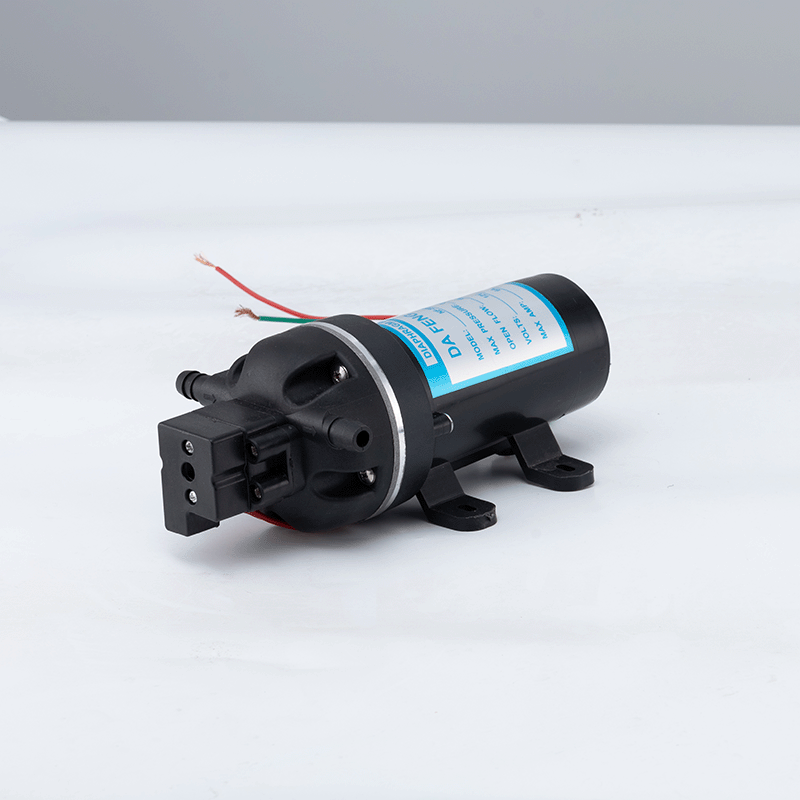
The Importance of Stable AdBlue Dosing for SCR Performance
Selective Catalytic Reduction (SCR) systems rely on accurate AdBlue (Diesel Exhaust Fluid) dosing to convert harmful nitrogen oxides (NOx) into harmless nitrogen and water.
In agricultural vehicles such as tractors, harvesters, and farm trucks, operating conditions can change frequently. Engine loads, exhaust temperatures, and working environments may vary significantly during field operations. Therefore, the AdBlue pump must provide stable and reliable fluid delivery to support consistent SCR performance.
An unstable dosing system may affect the balance between ammonia (NH₃) generated from AdBlue and NOx contained in exhaust gases. Insufficient dosing can reduce NOx conversion efficiency, while excessive dosing may increase the risk of ammonia slip.
For this reason, a reliable AdBlue pump plays an important role in maintaining emission performance and reducing unnecessary maintenance.
How AdBlue Pumps Maintain Stable Flow Under Agricultural Conditions
Farm vehicles operate in demanding environments that include vibration, dust, temperature changes, and long working hours. These factors create additional challenges for SCR dosing systems.
Temperature Compensation and Pressure Stability
AdBlue solution properties can change with temperature variations. High-quality dosing pumps are designed with suitable control strategies and material selection to maintain consistent delivery under different operating conditions.
Pressure stability is also important because irregular fluid supply may affect injection consistency. Pump designs using reliable diaphragm technology and optimized internal components help maintain smooth AdBlue delivery throughout different engine operating ranges.
Vibration and Environmental Protection
Agricultural machinery often experiences continuous vibration and exposure to dust or moisture.
A suitable AdBlue pump should include:
- Robust mechanical construction
- Reliable sealing design
- Corrosion-resistant wetted components
- Protection against environmental contamination
These features help maintain long-term performance in tractors, agricultural vehicles, and off-road equipment.
Preventing SCR System Problems Caused by Unstable AdBlue Supply
A properly functioning AdBlue pump helps protect the entire SCR after-treatment system.
Potential problems caused by unstable dosing may include:
Reduced NOx Conversion Efficiency
If the AdBlue supply does not match engine operating conditions, the SCR catalyst may not receive enough ammonia for effective NOx reduction.
Ammonia Slip Risk
Excessive AdBlue dosing may result in ammonia passing through the SCR catalyst without being fully converted. Proper pump control helps maintain the correct dosing balance.
Crystallization and Deposits
Poor-quality AdBlue, incorrect storage conditions, or unsuitable operating conditions may contribute to urea crystallization. Reliable pump design and correct fluid handling help reduce the risk of deposits in the dosing system.
AdBlue Pump Material Selection and Regulatory Requirements
ISO 22241 and DEF Fluid Compatibility
AdBlue quality is regulated by ISO 22241, which defines requirements for:
- Urea concentration
- Chemical purity
- Contaminant limits
- Storage and handling conditions
Because AdBlue can affect certain metals and materials, pump components that contact the fluid should be selected for chemical compatibility.
Common considerations include:
- Diaphragm material
- Seal compatibility
- Corrosion resistance
- Long-term chemical stability
Using compatible materials helps maintain pump reliability and protect SCR system performance.
Supporting Emission Compliance in Agricultural Equipment
Modern agricultural machinery must meet increasingly strict emission requirements, including regulations such as Tier 4 Final and other international standards.
SCR systems are evaluated under operating conditions that simulate real engine usage, including changing loads and speeds. This means AdBlue pumps must provide dependable dosing performance across a wide range of operating conditions.
A well-designed AdBlue pump helps manufacturers and equipment users achieve:
- Stable SCR operation
- Improved emission control reliability
- Reduced maintenance risks
- Longer service life of after-treatment components
FAQ
What does an AdBlue pump do in an SCR system?
An AdBlue pump delivers Diesel Exhaust Fluid to the SCR system, where it is converted into ammonia to help reduce NOx emissions from diesel engines.
Why is flow stability important for AdBlue pumps?
Stable flow helps maintain the correct AdBlue dosing level, supporting efficient SCR operation and reducing risks such as insufficient NOx conversion or ammonia slip.
What challenges do farm truck AdBlue pumps face?
Agricultural vehicles operate in environments with vibration, dust, temperature changes, and long working cycles, requiring durable and reliable pump designs.
What standard applies to AdBlue fluid quality?
ISO 22241 defines requirements for AdBlue/DEF quality, including chemical composition and impurity limits.
How do I select an AdBlue pump for agricultural equipment?
Selection should consider flow requirements, pressure range, operating environment, chemical compatibility, and compatibility with the SCR system design.
Table of Contents
- The Importance of Stable AdBlue Dosing for SCR Performance
- How AdBlue Pumps Maintain Stable Flow Under Agricultural Conditions
- Preventing SCR System Problems Caused by Unstable AdBlue Supply
- AdBlue Pump Material Selection and Regulatory Requirements
- Supporting Emission Compliance in Agricultural Equipment