
 EN
EN
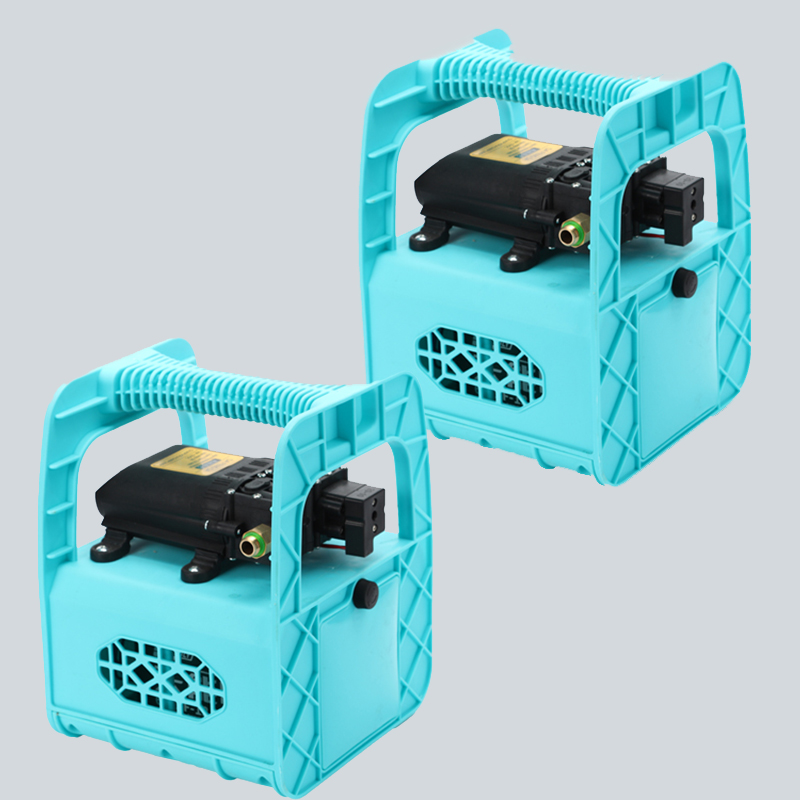
Material Selection Determines Portable Sprayer Durability
A portable sprayer used for home gardens is exposed to repeated filling, pressurization, fertilizers, pesticides, and outdoor conditions. The quality of the tank, spray components, and sealing materials directly affects service life, spraying performance, and maintenance requirements.
Choosing suitable materials helps reduce common problems such as leakage, pressure loss, corrosion, and premature component replacement.
For garden users and equipment buyers, understanding material differences is an important step when selecting a reliable portable sprayer.
Choosing the Right Tank Material: Plastic vs. Metal
The tank is one of the most important components of a portable sprayer because it stores the chemical solution and experiences repeated handling.
HDPE Plastic Tanks
High-density polyethylene (HDPE) is widely used in portable sprayers because it offers:
- Lightweight construction
- Good resistance to many agricultural chemicals
- Easy transportation and handling
- Lower production cost
For home gardening, HDPE tanks are often a practical choice because users frequently carry the sprayer between flower beds, lawns, and planting areas.
UV-resistant plastic formulations can further improve outdoor durability by reducing the effects of prolonged sunlight exposure.
Metal Tanks
Metal tanks, including stainless steel designs, provide advantages in applications where stronger mechanical durability is required.
Compared with plastic tanks, metal tanks generally offer:
- Higher resistance to impact
- Strong structural strength
- Long service life when properly maintained
However, they are usually heavier and may require more consideration regarding corrosion protection and chemical compatibility.
The best choice depends on the balance between portability, operating conditions, and expected usage frequency.
Stainless Steel Components Improve Corrosion Resistance
Portable sprayers often contain metal parts such as:
- Spray wands
- Nozzles
- Connectors
- Fasteners
These components frequently contact fertilizers and pesticide solutions, making corrosion resistance important.
Stainless Steel vs. Galvanized Steel
Stainless steel contains chromium, which forms a protective passive layer on the surface. This helps improve resistance against rust and chemical exposure.
Galvanized steel relies on a zinc coating for protection. When this coating becomes damaged through wear or scratches, the underlying steel may become more vulnerable to corrosion.
For users who frequently apply fertilizers or chemical solutions, stainless steel components can provide more consistent performance and longer service life.
Sealing Materials Affect Leakage and Pressure Stability
Seals and gaskets are small components but play a critical role in portable sprayer performance.
During operation, sealing parts experience:
- Pressure changes
- Chemical exposure
- Temperature variations
- Repeated movement
Common sealing materials include:
EPDM Seals
EPDM provides good resistance to:
- Water-based solutions
- Many fertilizers
- Mild chemical environments
It is commonly used in agricultural and garden equipment.
Viton Seals
Viton (fluoroelastomer) offers stronger resistance against many chemicals and solvents, making it suitable for more demanding applications.
Selecting the correct sealing material according to the spraying solution helps reduce leakage and maintain reliable pressure.
Common Causes of Portable Sprayer Performance Decline
Even a high-quality portable sprayer requires regular maintenance. Over time, repeated use may affect performance through several factors.
Seal Wear and Pressure Loss
Manual pumping creates repeated pressure cycles. Over long-term use, seals may gradually wear, reducing pressure retention.
Regular inspection of:
- Pump seals
- O-rings
- Valve components
can help identify problems before they affect spraying performance.
Nozzle Wear and Spray Pattern Changes
The nozzle controls spray distribution and application accuracy.
Factors such as:
- Abrasive particles
- Chemical residue
- Frequent use
may gradually affect nozzle performance.
Cleaning nozzles regularly and replacing worn parts helps maintain a consistent spray pattern.
Maintenance Practices to Extend Portable Sprayer Life
Proper maintenance can significantly improve the service life of a portable sprayer.
Recommended practices include:
Clean After Each Use
After spraying:
- Empty remaining solution
- Rinse the tank with clean water
- Flush the wand and nozzle
- Remove chemical residue
This helps prevent clogging and reduces chemical buildup inside the system.
Store Properly
Before storage:
- Keep components dry
- Avoid prolonged sunlight exposure
- Release internal pressure
- Check seals periodically
Proper storage helps maintain material performance and reduces unnecessary wear.
FAQ
What is the most durable material for a portable sprayer tank?
HDPE plastic tanks are popular because they are lightweight and chemically resistant. Stainless steel tanks provide higher mechanical durability but are heavier and usually more expensive.
Why are stainless steel components used in sprayers?
Stainless steel provides good corrosion resistance and maintains performance when exposed to fertilizers, pesticides, and outdoor conditions.
Which seal material is better for portable sprayers?
EPDM is suitable for many water-based agricultural applications, while Viton provides better resistance for more demanding chemical environments.
Why does a portable sprayer lose pressure over time?
Pressure loss may result from worn seals, damaged valves, clogged nozzles, or improper maintenance.
How can I make my portable sprayer last longer?
Regular cleaning, proper storage, checking seals, and replacing worn components can help extend the service life of a portable sprayer.
Table of Contents
- Material Selection Determines Portable Sprayer Durability
- Choosing the Right Tank Material: Plastic vs. Metal
- Stainless Steel Components Improve Corrosion Resistance
- Sealing Materials Affect Leakage and Pressure Stability
- Common Causes of Portable Sprayer Performance Decline
-
Maintenance Practices to Extend Portable Sprayer Life
- Clean After Each Use
- Store Properly
- What is the most durable material for a portable sprayer tank?
- Why are stainless steel components used in sprayers?
- Which seal material is better for portable sprayers?
- Why does a portable sprayer lose pressure over time?
- How can I make my portable sprayer last longer?