
 EN
EN
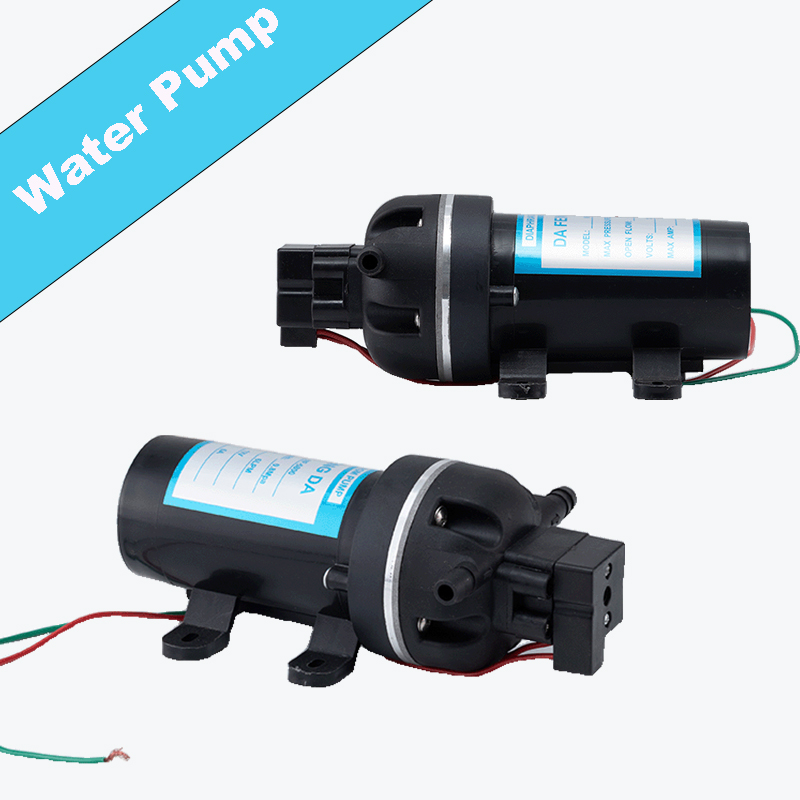
Key Environmental Stressors Affecting Water Pump Durability
Outdoor irrigation water pumps face a relentless combination of climatic, fluid-borne, and chemical challenges that directly dictate their operational lifespan. Unlike controlled indoor environments, field installations expose pumps to rapid deterioration from thermal cycling, abrasive particulates, and chemically aggressive water. Understanding these three primary stressors — temperature and UV exposure, debris and sediment, and variable water chemistry — is essential for selecting durable materials and implementing effective protective measures.
Temperature Extremes and UV Exposure Accelerating Material Degradation
Field irrigation pumps endure severe temperature swings that stress every component. Prolonged exposure to direct sunlight and high ambient heat can push elastomeric seals, gaskets, and polymer components beyond their thermal limits, causing hardening, cracking, and eventual leakage. Ultraviolet (UV) radiation further degrades plastic housings and coatings, embrittling them over time. In regions with cold winters, freeze-thaw cycles can cause casing fractures if water is not fully drained. Thermal cycling — the repeated expansion and contraction of metal parts — accelerates fatigue in cast iron and steel housings, leading to micro-cracks that propagate with continued use. Even motors and bearings suffer, as elevated temperatures thin lubricants and reduce their protective film strength, increasing mechanical wear. To mitigate these effects, outdoor-rated pumps often incorporate UV-stabilized polymers, advanced elastomers like Viton, and thermal relief valves or heat exchangers to maintain safe operating temperatures. Regular inspection of seals and protective coatings is critical, as damage from sun and temperature is often progressive and unnoticeable until a failure occurs.
Debris, Sediment, and Dirty Water Causing Abrasive Wear in Water Pump Components
Irrigation water rarely runs clean. Surface water sources such as rivers, ponds, and open canals carry sand, silt, organic fibers, and small stones that aggressively erode internal pump surfaces. Abrasive wear is most pronounced on the impeller vanes and volute casing, where high-velocity flow drives particles against metal surfaces, gradually thinning and pitting the material. This erosion reduces hydraulic efficiency, forces the motor to work harder, and can lead to catastrophic imbalance if the impeller is severely worn. Sediment also infiltrates shaft seals and stuffing boxes, abrading the sealing surfaces and causing leaks that invite further contamination. Pumps with close running clearances, such as positive displacement designs, are especially vulnerable to scoring and seizure. Debris can clog suction strainers and valves, inducing cavitation or flow starvation. Effective countermeasures include installing coarse intake screens, using multi-stage filtration, and selecting pumps with wider clearances and hardened wear parts — such as high-chrome cast iron impellers or ceramic-coated sleeves. Routine flushing and cleaning of intake paths are low-cost but highly effective ways to extend component life.
Corrosion from Variable Water Chemistry: Iron, Salinity, and pH Effects on Water Pump Longevity
The chemical makeup of irrigation water significantly influences pump longevity. High iron content, common in groundwater, can lead to iron oxide deposits that clog passages and accelerate galvanic corrosion when dissimilar metals are in contact. Salinity, especially in coastal or reclaimed water applications, promotes chloride-induced pitting and crevice corrosion on stainless steel components, even those rated as marine-grade. Water pH outside the neutral range (6–8) aggressively attacks pump materials: acidic water (low pH) dissolves copper alloys and cast iron, while alkaline water (high pH) can cause scaling and stress corrosion cracking in certain brasses. The cumulative effect is a thinning of pump walls, weakening of threaded connections, and degradation of seal faces. Material selection is paramount — pumps constructed with duplex stainless steels, high-nickel alloys, or corrosion-resistant thermoplastics such as PVDF significantly outperform standard cast iron in aggressive waters. Regular monitoring of pH, total dissolved solids, and chloride levels, coupled with the use of sacrificial anodes or impressed current cathodic protection, can dramatically reduce corrosion rates and extend service intervals.
Common Mechanical Failure Modes in Field-Operated Water Pumps
Understanding the primary failure modes is essential for selecting durable water pump systems. While environmental factors initiate degradation, specific mechanical breakdowns often cause the sudden stoppage of field operations. These failures generally result from the complex interplay between pump design and the challenging hydraulic conditions of outdoor irrigation.
Cavitation Erosion Under Fluctuating Suction and Dynamic Head Conditions
Cavitation is a destructive phenomenon that occurs when the Net Positive Suction Head Available (NPSHa) falls below the pump's required level. This causes vapor bubbles to form in the low-pressure eye of the impeller and violently collapse as they move to a high-pressure zone. The implosions generate powerful micro-jets, which can erode impeller vanes and pump housing, creating a characteristic pitted, sponge-like appearance. In irrigation, fluctuating water levels in a supply pond or river can cause the suction lift to vary dramatically, triggering cavitation. Furthermore, dynamic head conditions that change with the number of active sprinklers alter the pump's operating point on its curve. A pump that appears to run smoothly at a design point may cavitate severely when operating at a high flow rate with a low NPSH margin. Beyond physical erosion, the noise and vibration from cavitation accelerate bearing and seal failure, magnifying the total cost of the issue. According to the Hydraulic Institute’s 2023 report on pump reliability, cavitation is a primary contributor to repair costs, often exceeding 40% of total maintenance budgets for poorly specified pumps in dynamic systems.
Impeller and Housing Erosion from Solids Handling in Irrigation Water Pump Systems
Abrasive wear from solid particles is a relentless challenge for water pumps used in open-source irrigation. Water drawn from rivers, canals, and storage ponds invariably contains suspended silt, sand, and organic debris. When these particles are accelerated through the pump, they act as a wet sandblasting medium, grinding away at the impeller and the internal volute casing. This erosion is most severe at the impeller vane tips and the cutwater, where velocities are highest and flow direction changes sharply. The clearance between the impeller and the wear ring increases, allowing recirculating flow to cause further damage. This progressive loss of material directly reduces the pump's output flow and pressure, often subtly, until the system’s performance noticeably drops. The operational impact is a double penalty: increased energy consumption to achieve the same hydraulic output and a shortened interval between major overhauls. An operator might notice a gradual increase in engine fuel consumption or electricity draw as the pump works harder to compensate for the loss of efficiency caused by internal wear.
Robust Design and Material Selection for Long-Lasting Water Pumps
The housing material largely determines a water pump’s ability to withstand outdoor irrigation conditions. Choosing the right material balances upfront cost against long-term durability under specific stressors.
Cast Iron, Stainless Steel, and Polymer-Composite Housings: Trade-offs for Outdoor Water Pump Use
Cast iron housings deliver excellent abrasion resistance and structural strength, making them suitable for handling sediment-laden water. However, they are heavy and can corrode when exposed to low‑pH or saline water, requiring protective coatings. Stainless steel offers superior corrosion resistance across a wide range of water chemistries, which extends service life in aggressive environments, though it comes at a higher initial cost. Polymer‑composite housings are lightweight, entirely corrosion‑proof, and often UV‑stabilized, but they may lack the pressure‑handling capacity and impact resistance of metal alternatives. The optimal choice depends on the irrigation water quality, pressure demands, and maintenance budget.
Submersible vs. Centrifugal Water Pumps: Real-World Durability Comparison
Submersible Water Pump Vulnerabilities: Sealing Failures and Thermal Overload
Submersible water pumps operate underwater, making sealing integrity critical. Even minor seal failures allow water ingress, which corrodes motor windings and triggers short circuits. Field data shows that 60% of submersible pump failures in irrigation trace back to compromised mechanical seals or cable entry points. Thermal overload is another persistent threat. When the pump runs dry — often due to well drawdown or clogged intake screens — the surrounding water no longer dissipates heat, and the motor overheats within minutes. If sediment coats the motor housing, cooling efficiency drops further, accelerating insulation breakdown. Servicing a submerged unit is inherently difficult: pulling the pump for inspection can take hours, and diagnosing seal leaks may require pressure-decay tests that are impractical in remote field settings.
Centrifugal Water Pump Weak Points: Suction Clogging and Vibration-Induced Wear
Centrifugal water pumps dominate surface irrigation but falter when handling dirty water. Suction ports are vulnerable to clogging by leaves, silt, and algae, which can starve the impeller and cause cavitation. Even a brief loss of prime introduces air pockets that erode impeller vanes and accelerate wear. Vibration is another durability drain. Unbalanced impellers, loose mounting bases, or poorly aligned shaft couplings induce cyclic stress on bearings and seals. Field studies indicate that vibration-related failures account for roughly 35% of unscheduled centrifugal pump downtime in irrigation systems. While these pumps are easy to access for maintenance, their exposed design demands frequent cleaning of strainers and vibration checks to prevent premature bearing failure.
Proven Maintenance Practices to Maximize Water Pump Lifespan in Harsh Irrigation Environments
Proactive maintenance is the cornerstone of a long‑lasting water pump in outdoor irrigation, where abrasive sediment, chemical‑laden water, and wide temperature swings constantly challenge reliability. A structured routine begins with frequent visual inspections—checking for leaks, corrosion, and loose fasteners—and includes cleaning intake screens and filters to prevent clogging and cavitation erosion. Lubricating bearings and moving parts according to the manufacturer’s schedule reduces friction, while monitoring vibration and pressure trends catches misalignment or wear before a failure occurs. Replacing worn seals and gaskets promptly, using only high‑quality components, preserves the pump’s internal integrity. Adhering to the original equipment manufacturer’s service intervals—and tightening those intervals during peak irrigation months—keeps the unit operating within design limits. Finally, documenting every inspection and repair creates a performance history that guides predictive maintenance, helping to avoid unplanned downtime and significantly extending the pump’s useful life even under the harshest field conditions.
FAQ Section
What environmental factors affect water pump durability?
Water pumps are affected by temperature extremes, UV radiation, debris and sediment from dirty water, and variable water chemistry such as salinity and pH imbalance.
What are common failure modes of water pumps in outdoor irrigation?
Common failures include cavitation erosion caused by fluctuating suction conditions, abrasive wear from particles in irrigation water, and mechanical failures from vibration or unbalanced components.
Which materials are best for water pump durability?
Recommended materials include cast iron for abrasion resistance, stainless steel for corrosion resistance, and polymer composites for lightweight and UV protection.
How do submersible water pumps differ from centrifugal pumps?
Submersible pumps require robust seals to prevent water ingress and are prone to thermal overload when running dry. Centrifugal pumps face issues with suction clogging and vibration-induced wear but are easier to maintain.
What maintenance practices extend water pump lifespan?
Regular inspection, cleaning, lubrication, vibration monitoring, and prompt replacement of worn parts are essential for extending water pump lifespan in harsh outdoor environments.
Table of Contents
- Key Environmental Stressors Affecting Water Pump Durability
- Common Mechanical Failure Modes in Field-Operated Water Pumps
- Robust Design and Material Selection for Long-Lasting Water Pumps
- Submersible vs. Centrifugal Water Pumps: Real-World Durability Comparison
- Proven Maintenance Practices to Maximize Water Pump Lifespan in Harsh Irrigation Environments
- FAQ Section