
 EN
EN
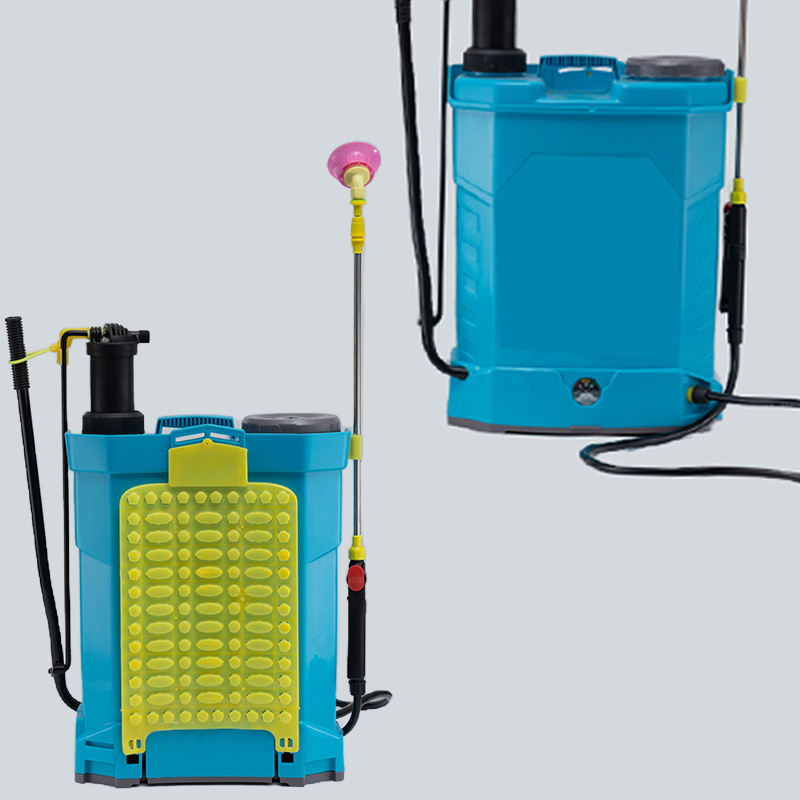
A manual sprayer is exposed to repeated pressurization, chemical solutions, outdoor conditions, and frequent handling. While spray capacity and design are important, the materials used in the tank, pump components, seals, and nozzle assembly largely determine long-term reliability.
For agricultural and garden applications, a durable manual sprayer needs a combination of chemical resistance, mechanical strength, and easy maintenance. Choosing suitable materials helps reduce common problems such as leakage, pressure loss, clogged nozzles, and premature component wear.
How HDPE Tanks and Chemical-Resistant Seals Improve Sprayer Reliability
The tank is one of the most important components of a manual sprayer because it stores the chemical solution and experiences repeated filling, carrying, and pressure changes.
High-density polyethylene (HDPE) is widely used for sprayer tanks because it provides a practical balance of:
- Good chemical resistance
- Impact durability
- Lightweight handling
- Outdoor performance
Compared with lower-grade plastics, properly manufactured HDPE tanks are less likely to develop cracks caused by daily handling or environmental stress.
The sealing system is equally important. O-rings, gaskets, and pump seals must maintain flexibility while contacting fertilizers, pesticides, and other spraying solutions.
Different sealing materials offer different advantages:
- EPDM: commonly used for water-based solutions and many agricultural chemicals
- Viton (FKM): provides strong resistance to many oils and chemical solvents
- Other specialized elastomers: selected for specific chemical applications
The correct seal material depends on the spray solution, temperature, and operating conditions. Using compatible sealing materials helps maintain pressure stability and reduces the risk of leakage during operation.
Material Selection for Pump Parts, Wands, and Nozzles
Beyond the tank and seals, the durability of a manual sprayer also depends on the materials used in the pump mechanism and spray components.
Plastic components are popular because they reduce overall weight and provide good corrosion resistance. Reinforced plastics can offer improved strength while keeping the equipment comfortable for extended use.
Metal components, including brass and stainless steel parts, are often selected for areas exposed to frequent wear, such as:
- Spray wands
- Nozzle assemblies
- Pump handles
- Connection fittings
Stainless steel provides excellent corrosion resistance in many environments, while brass offers durability and machining advantages for precision spray components.
A well-designed manual sprayer usually combines different materials rather than relying entirely on plastic or metal. This balanced approach improves durability while maintaining portability and user comfort.
Chemical Compatibility and Maintenance Determine Service Life
Even high-quality materials can experience premature wear if the sprayer is not properly maintained.
Agricultural solutions may contain:
- Herbicides
- Fungicides
- Fertilizers
- Organic mixtures
Some chemicals can affect seals, hoses, and metal components over time. Selecting a sprayer with compatible materials is the first step toward reliable operation.
Regular maintenance is equally important.
Recommended practices include:
Rinse After Each Use
Cleaning the tank, hose, wand, and nozzle after spraying helps remove chemical residues that may cause clogging or seal degradation.
Inspect Seals and Connections
Regularly check:
- O-rings
- Gaskets
- Hose connections
- Pump seals
Replacing worn sealing parts early helps maintain pressure performance.
Store Properly
Keeping the sprayer away from direct sunlight, extreme temperatures, and moisture helps protect plastic components and sealing materials.
Understanding Manual Sprayer Durability in Different Applications
The service life of a manual sprayer depends on several factors:
- Material quality
- Chemical exposure
- Usage frequency
- Operating pressure
- Maintenance habits
- Storage conditions
Entry-level sprayers with basic materials may be suitable for occasional household gardening, while professional agricultural models typically use stronger tanks, more durable seals, and wear-resistant components for frequent operation.
For demanding applications, features such as:
- HDPE tanks
- Chemical-resistant seals
- Reinforced pump components
- Stainless steel or brass spray parts
can improve reliability and reduce maintenance requirements.
Ultimately, durability is not determined by a single material. A reliable manual sprayer combines appropriate material selection, sound engineering design, and proper maintenance to deliver consistent spraying performance over time.
FAQ
Are HDPE tanks suitable for agricultural sprayers?
Yes. HDPE tanks are widely used in agricultural sprayers because they provide good chemical resistance, impact strength, and lightweight handling.
Are Viton seals always the best choice for sprayers?
Not always. Different chemicals require different sealing materials. EPDM, Viton, and other elastomers each have specific advantages depending on the application.
Are metal sprayer components better than plastic parts?
Both materials have advantages. Metal components usually provide higher strength, while engineered plastics offer lower weight and corrosion resistance. Many reliable sprayers use a combination of both.
How can I extend the life of a manual sprayer?
Regular cleaning, proper storage, and timely replacement of worn seals and nozzles can help maintain reliable performance and extend equipment service life.
What causes pressure loss in manual sprayers?
Pressure loss may result from worn seals, damaged valves, clogged nozzles, air leakage, or chemical degradation of internal components.