
 EN
EN
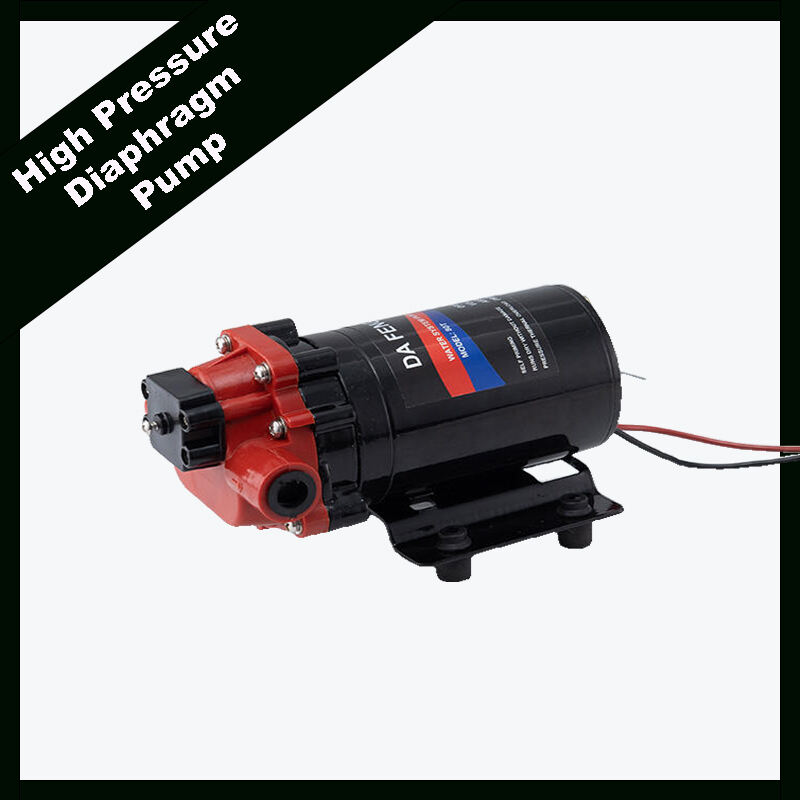
សមត្ថភាពទប់ទល់នឹងគីមី: ត្រូវបានរចនាឡើងដើម្បីទប់ទល់នឹងថ្នាំកំប៉ែតកសិកម្មដែលមានសារធាតុគីមីខ្លាំង
សមត្ថភាពសារធាតុអេឡាស្ទូម៉ែរក្នុងការទប់ទល់នឹងថ្នាំកំប៉ែត និងថ្នាំសំប៉ែតដែលមានសារធាតុប៉ះពាល់ និងជាប៉ះពាល់ដល់ផ្ទៃ
ប៉ាម្ប៊ីស្រាយអ៊ែរដែលប្រើក្នុងវិស័យកសិកម្ម ត្រូវប្រឈមនឹងការប្រយុទ្ធប្រចាំថ្ងៃទល់នឹងគីមីធាតុដែលមានភាពរឹងមាំ ដូចជាអ៊ីណាស៊ីត (glyphosate) សារធាតុប៉ាប់ប៉ះសារធាតុផ្សេងៗ សារធាតុប៉ាប់ប៉ះផ្សែងដែលផ្អែកលើសារធាតុសាលហ្វួរ និងសារធាតុប៉ាប់ប៉ះផ្សែងដែលផ្អែកលើសារធាតុខុនប៉ែរ ដែលមានភាពរឹង ហើយអាចប៉ះពាល់ដល់គ្រប់វត្ថុដែលវាប៉ះទង្គិល។ បច្ចុប្បន្ន ប៉ាម្ប៊ីឌាក្រាម (diaphragm pumps) ត្រូវបានផ្តល់ជាមួយនឹងសារធាតុអេឡាស្ទូម៉ែរ (elastomers) ដែលត្រូវបានរចនាឡើងជាពិសេស ដើម្បីទប់ទល់នឹងការបែកបាក់នៅកម្រិតម៉ូលេគុល ការពារបញ្ហាប៉ះពាល់ដែលបណ្តាលមកពីការរីកធំ និងជៀសវាងការប៉ះពាល់ដែលបណ្តាលមកពីការប៉ះទង្គិលនឹងកម្រិត pH ខ្ពស់ ឬទាបខ្លាំង និងការប៉ះទង្គិលនឹងសារធាតុដែលមានការរាប់ចំនួនច្រើននៅក្នុងសារធាតុរាវ។ សារធាតុទំនើបទាំងនេះ មានស្ថេរភាពខ្ពស់ជាងសារធាតុចាស់ៗ នៅពេលប្រទាក់នឹងសារធាតុគីមី។ យោងតាមការសិក្សាមួយដែលបានបោះពុម្ពកាលពីឆ្នាំមុនដោយវារសារ AgriTech Journal បញ្ហាប្រហែល ៣៧ ភាគរយ ដែលកើតឡើងជាមួយឧបករណ៍ប៉ះពាល់សារធាតុគីមី កើតចេញពីការបរាជ័យរបស់សារធាតុអេឡាស្ទូម៉ែរ។ ដូច្នេះ ការជ្រើសរើសសារធាតុដែលត្រឹមត្រូវ គឺជាការចាំបាច់ខ្លាំងណាស់ ដើម្បីបញ្ឈប់ការរហែក ដែលមិនត្រឹមតែប៉ះពាល់ដល់សុខភាពកម្មករប៉ុណ្ណោះទេ ប៉ុន្តែថែមទាំងប៉ះពាល់ដល់ប្រសិទ្ធភាពក្នុងការការពារដំណាំពីសត្វល្អិត និងជំងឺផ្សេងៗផងដែរ។
ការជ្រើសរើសវត្ថុធាតុយុទ្ធសាស្ត្រ (EPDM, Viton®, PTFE) ដើម្បីធានាបាននូវភាពអាចទុកចិត្តបានយូរអង្វែនសម្រាប់ប៉ាំប៉ែតបាញ់ថ្នាំ
ការដំណាំប្រកបដោយប្រសិទ្ធភាពខ្ពស់បំផុត គឺអាស្រ័យលើការសម្របសម្រួលរវាងរូបមន្តគីមី និងគីមីវិទ្យានៃប៉ូលីម័រ៖
- EPDM (Ethylene Propylene Diene Monomer) ៖ មានសមត្ថភាពល្អបំផុតក្នុងការទប់ទល់នឹងកេតូន និងអាស៊ីតអុរ្គានិក
- Viton® (Fluoroelastomer) ៖ ផ្តល់នូវសមត្ថភាពទប់ទល់ដែលគ្មានគូរបៀបជាមួយអារ៉ូម៉ាទិកហៃដ្រូកាបូន
- PTFE (Polytetrafluoroethylene) ៖ ផ្តល់នូវសមត្ថភាពទប់ទល់នឹងសុវត្ថិភាពរាល់ប្រភេទសុវត្ថិភាព (solvent resistance) ដែលអាចចាត់ទុកបានថាជាសកល
ការសិក្សានៅតាមវាលបានបង្ហាញថា ប៉ាំប៉ែតដែលបានផលិតដោយប្រើវត្ថុធាតុទាំងនេះ អាចប្រើបានយូរជាង ៣,២ ដង នៅពេលដែលប្រើប្រាស់ជាមួយថ្នាំប៉ាំប៉ែតប្រឆាំងផ្សិតដែលមានសារធាតុកុបប៉ែរ ប្រៀបធៀបទៅនឹងជម្រើសធម្មតា។ ការជ្រើសរើសយុទ្ធសាស្ត្រនេះ បានកាត់បន្ថយថ្លៃដើមក្នុងការជំនួសប៉ាំប៉ែត ១៨ ដុល្លារ/អេគ័រ ក្នុងមួយឆ្នាំ ដោយស្របជាមួយនឹងការរក្សាបាននូវអត្រាស្ទុកដែលត្រូវការយ៉ាងច្បាស់ ដើម្បីធានាបាននូវការប៉ាំប៉ែតដែលស្មើគ្នាទាំងមូល។
ការប៉ាំប៉ែតដែលមានភាពច្បាស់លាស់៖ ស្ទុកស្មើគ្នា ស្ថេរភាពសម្ពាធ និងការប៉ាំប៉ែតដែលស្មើគ្នាទាំងមូល
ការបន្ថយការញ័រ និងការគ្រប់គ្រងសម្ពាធដែលអាចប៉ះពាល់ទៅលើផ្ទៃដីសម្រាប់ប្រសិទ្ធភាពប៉ាំប៉ៃនៅលើវាល
ជំនាន់ថ្មីបំផុតនៃប៉ាំប៉ៃប្រភេទម៉ែមប្រើសម្រាប់ការប៉ាំប៉ៃ មានលក្ខណៈពិសេសដែលជួយកាត់បន្ថយការញ័រ និងកំណត់សម្ពាធដោយផ្អែកលើស្ថានភាពបច្ចុប្បន្ននៅជុំវិញ។ នេះជួយធ្វើឱ្យការប៉ាំប៉ៃនៅតែស្ថិតក្នុងស្ថេរភាព ទោះបីជាផ្ទៃដីនោះរាបស្មើ មានគ្រាប់ ឬមានជម្រាលក៏ដោយ។ នៅពេលដែលឡានទ្រាក់ទ័របើកបរលឿន ឬយឺត ឬឆ្លងកាត់ទីកន្លែងដែលមានជម្រាលស្មុគស្មាញ ប្រព័ន្ធដែលឆ្លាតវៃទាំងនេះនឹងធ្វើការកែសម្រួលដោយស្វ័យប្រវ័ត្តិ ដើម្បីការពារការប៉ាំប៉ៃមិនគ្រប់គ្រាន់នៅតំបន់ដែលពិបាក ឬការប៉ាំប៉ៃហួលខ្ពស់ពេកនៅតំបន់ដែលសម្ពាធមានការធ្លាក់ចុះដោយធម្មជាតិ។ ការសាកល្បងក្នុងស្ថានភាពជាក់ស្តែងបានបង្ហាញថា កសិករអាចរំពឹងទុកនូវការប្រែប្រួលប្រហែល ៣% នៅលើអត្រាស្ទូក ទោះបីជាល្បឿនឡានទ្រាក់ទ័រប្រែប្រួលដល់ ៤០% ក៏ដោយ។ នេះមានន័យថា គ្មានចាំបាច់ឈប់ ហើយកែសម្រួលការកំណត់ដោយដៃទៀតទេ គ្រាន់តែបានការគ្របដណ្តប់ដែលស្ថិតក្នុងស្ថេរភាពពីដើមដល់ចប់ នៅលើវាលគ្រប់ប្រភេទ។
ផលប៉ះពាល់ក្នុងស្ថានភាពជាក់ស្តែង៖ ការកាត់បន្ថយការគ្របដណ្តប់លើស ១២% នៅលើវាលស្រូវឆាម ៥០០ អ៊ែគ
ការគ្រប់គ្រងសម្ពាធកាន់តែប្រសើរឡើងក្នុងអំឡុងពេលអនុវត្តជួយកាត់បន្ថយសារធាតុគីមីខ្ជះខ្ជាយព្រោះវាការពារកំហុសត្រួតស៊ីគ្នាដែលកសិករស្អប់។ យោងតាមការស្រាវជ្រាវដែលបានធ្វើឡើងកាលពីឆ្នាំមុននៅតំបន់ Midwest លើដំណាំជួរ នៅពេលដែលកសិករប្រើម៉ាស៊ីនបូម diaphragm ដែលបំពាក់ដោយបច្ចេកវិទ្យាស្ថេរភាពសម្ពាធថាមវន្តជំនួសឱ្យម៉ាស៊ីនបូម piston ប្រពៃណី ពួកគេបានឃើញការថយចុះប្រហែល 12 ភាគរយនៃការបាញ់ថ្នាំត្រួតស៊ីគ្នានៅទូទាំងវាលពោតទំហំ 500 ហិចតារបស់ពួកគេ។ នេះបកប្រែថាត្រូវការថ្នាំសម្លាប់ស្មៅតិចជាងប្រហែល 65 ហ្គាឡុងក្នុងមួយរដូវដាំដុះ។ ការសន្សំហិរញ្ញវត្ថុគឺជាក់ស្តែង ប៉ុន្តែក៏មានឱកាសតិចជាងដែរដែលសារធាតុគីមីហូរចូលទៅក្នុងប្រភពទឹកក្បែរនោះ។ គួរឱ្យចាប់អារម្មណ៍បំផុតប្រហែលជាថា នៅក្នុងការសាកល្បងវាលស្ទើរតែទាំងអស់ (ប្រហែល 98%) ដែលបានធ្វើឡើង ដំណក់ទឹកដែលផលិតបានស្ថិតនៅក្នុងជួរដែលអាចទទួលយកបានដែលកំណត់ដោយស្តង់ដារ ASABE S572.1។ នេះមានន័យថាការគ្របដណ្តប់កាន់តែប្រសើរឡើងនៃដំបូលរុក្ខជាតិដោយមិនបង្កើតការរសាត់តាមអាកាសច្រើនពេកដែលអាចបំផ្លាញដំណាំជិតខាង។
ស្ថេរភាពប្រតិបត្តិការ៖ ការចាប់ផ្តើមដោយខ្លួនឯង ការដំណាំដោយគ្មានទឹក និងការរចនាដែលតម្រូវឱ្យថែទាំតិច
ការរចនាម៉ាស៊ីនបូមបាញ់បង្ហូរបាញ់បង្ហូរបាញ់បង្ហូរបាញ់បង្ហូរបាញ់បង្ហូរបាញ់បង្ហូរបាញ់បង្ហូរបាញ់បង្ហូរបាញ់បង្ហូរបង្ហូរបង្ហូរបង្ហូរបង្ហូរបង្ហូរបង្ហូរបង្ហូរបង្ហូរ ដំបូងបង្អស់ បច្ចេកវិទ្យា self-priming ថែទាំការដកខ្យល់ចេញពីខ្សែស្រូបដោយខ្លួនឯង។ គ្មានការលួចលាក់ជាមួយការបង្កើនដៃ នៅពេលប្ដូររវាងធុងផ្សេងគ្នា ឬចលនាឆ្លងកាត់វាល។ លក្ខណៈពិសេសនេះក៏បានបញ្ឈប់បញ្ហាប្រព័ន្ធបិទខ្យល់ដែលអាចបញ្ឈប់ការបាញ់កណ្តាលពេលធ្វើការ។ ចំណុចសំខាន់មួយទៀតគឺការការពារដោយគ្មានទឹក។ ម៉ាស៊ីនបូមនេះអាចដោះស្រាយរយៈពេលខ្លីដោយគ្មានទឹកនៅក្នុងធុងដោយមិនខូចការបិទដែលរក្សាសិទ្ធ និងឈឺក្បាលនៅពេលការបំពេញឡើងវិញមានការយឺតយ៉ាវកើតឡើងដោយមិនរំពឹងទុក។ ការធ្វើដំណើរតាមផ្លូវ ឧទាហរណ៍ថា ប្រព័ន្ធដាយ៉ាភារម (diaphragm) ជាឧទាហរណ៍ ពួកគេមានផ្នែកតិចជាង ៥ ដែលត្រូវការការថែទាំ បើប្រៀបធៀបទៅនឹងម៉ូដែលពiston ប្រពៃណី។ ការសាកល្បងលើវាលបង្ហាញថា នេះមានន័យថាប្រហែលជាពាក់កណ្តាលនៃការឈប់ថែទាំទាំងមូល។ កសិករ និងអ្នកប្រើប្រាស់មានពេលឈប់តិចជាងមុនក្នុងរដូវប្រាំងនិងផ្នែកខ្លះមានរយៈពេលយូរជាងមុនផងដែរ ទោះបីជាពួកគេកំពុងធ្វើការជាមួយសារធាតុគីមីដ៏សាហាវដែលត្រូវបានប្រើជាទូទៅនៅក្នុងកសិកម្មបច្ចុប្បន្ន។
ពេលវេលាដែលប្រព័ន្ធប្រើប្រាស់បាន & ភាពធន់: ពេលវេលាមធ្យមរវាងការបរាជ័យ (MTBF) ខ្ពស់ និងការថយចុះនូវពេលវេលាដែលប្រព័ន្ធមិនអាចប្រើប្រាស់បាន ក្នុងប្រព័ន្ធប៉ាំងដែលទាមទារខ្ពស់
ពេលវេលាមធ្យមរវាងការបរាជ័យ (MTBF) ដែលបានបញ្ជាក់ហើយ > 3,200 ម៉ោង ក្នុងការដំឡើងប្រព័ន្ធប៉ាំងប្រភេទ Boom Sprayer
ទិន្នន័យពីសហគមន៍ផលិតកសិកម្ម ដែលផលិតពេស្តឆ្លងកាត់ (corn) និងស៊ីជី (soybean) នៅតំបន់ Midwest បានបញ្ជាក់ពីទំនាក់ទំនងដោយផ្ទាល់រវាង MTBF ខ្ពស់ និងពេលវេលាដែលប្រព័ន្ធប៉ាំងអាចប្រើប្រាស់បានក្នុងរដូវកាល៖ ប្រព័ន្ធប៉ាំងដែលប្រើប្រាស់ប៉ាំប៉ាំងទាំងនេះ បានប៉ាំងបាន 98% នៃពេលវេលាប៉ាំងដែលបានគ្រ់គ្រងទុក ក្នុងដំណាក់កាលដែលរុករាយដំណាំមានសារៈសំខាន់។ ដោយកាត់បន្ថយការឈប់បាក់ដែលបណ្តាលមកពីប៉ាំប៉ាំង អ្នកប្រើប្រាស់អាចរក្សាទុកបាននូវរយៈពេលប៉ាំងដែលមានកំណត់ និងធានាបាននូវការប៉ាំងបន្តគ្រប់គ្រងលើផ្ទះសម្បែក 700 អេគ័រ ឬច្រើនជាងនេះក្នុងមួយវដ្តការថែទាំ។
| ម៉ែត្រសមត្ថភាព | ប៉ាំប៉ាំងប្រភេទ Diaphragm Sprayer Pump | ប៉ាំប៉ាំងប្រភេទ Piston Pump ប៉ាំប៉ាំងបែបប្រពៃណី |
|---|---|---|
| ពេលវេលាមធ្យម MTBF (ម៉ោង) | >3,200 | <2,200 |
| ចំនួនធនាគារថែទាំប្រចាំឆ្នាំ | 0.8 | 3.1 |
| សមត្ថភាពទប់ទល់នឹងការប៉ះទង្គិលជាមួយគីមី | តែងតាំង | មធ្យម |
កម្រិត MTBF 3,200 ម៉ោង បានឆ្លុះបញ្ចាំងពីការធ្វើតេស្តយ៉ាងតឹងរ៉ឹងក្រោមស្ថានភាពប្រតិបត្តិការបន្ត 100 psi ជាមួយសារធាតុគីមី glyphosate និង 2,4-D។ គ្រឹះរបស់វាគឺស្ថិតលើសារធាតុអេឡាស្ទូម៉ែរ (elastomers) ដែលបានផលិតដោយបច្ចេកទេសច្បាស់លាស់ ដើម្បីទប់ទល់នឹងការប៉ះទង្គិលគីមី និងការរលួយដែលកើតឡើងដោយសារការប្រើប្រាស់ជាបន្តបន្ទាប់—ដែលប៉ះពាល់ដល់ភាពអាចទុកចិត្តបានរបស់ប៉ាំប៉ាំង ពីកត្តាដែលត្រូវការការថែទាំ ទៅជាកត្តាដែលជួយបង្កើនផលិតភាពយ៉ាងយុទ្ធសាស្ត្រ។
ប្រសិទ្ធភាពបរិស្ថាន និងសេដ្ឋកិច្ច៖ កាត់បន្ថយការហូរចេញតាមរយៈភាពច្បាស់លាស់នៃប៉ាម្ប៊ីស្រេយអ៊ែរ
តួនាទីផ្ទាល់របស់ស្ថេរភាពសម្ពាធ លើភាពស៊ីសង្វាក់គ្នានៃទំហំបាញ់ (ស្តង់ដារ ASABE S572.1)
ការកំណត់សម្ពាធឱ្យបានត្រឹមត្រូវគឺជាកត្តាសំខាន់បំផុតសម្រាប់ការបង្កើតបាញ់ដែលមានទំហំស្មើគ្នា ដែលប៉ះពាល់ដល់ប្រសិទ្ធភាពនៃការបាញ់ ការការពារបរិស្ថាន និងការសន្សំប្រាក់យូរអង្វែន។ ប៉ាម្ប៊ីស្រេយអ៊ែរដែលមានឌាយាហ្វ្រាមផ្តល់សម្ពាធដែលមានស្ថេរភាពខ្ពស់ ដោយមានការប្រែប្រួលតែប្រហែល ២% ដូច្នេះវាប៉ះពាល់ដល់ស្តង់ដារ ASABE S572.1 សម្រាប់ទំហំបាញ់បានយ៉ាងអាចទុកចិត្តបាន។ នៅពេលដែលសម្ពាធមានស្ថេរភាព នឹងមានបាញ់តូចៗដែលហូរចេញឆ្ងាយតិចជាងមុន និងបាញ់ធំៗដែលហូរចេញពីតំបន់គោលដៅតិចជាងមុន។ ការសាកល្បងនៅវាលបានបង្ហាញថា វិធីសាស្ត្រនេះអាចកាត់បន្ថយការខ្ជះខ្ជាយគីមីបានប្រហែល ៣០% ដែលមានសារៈសំខាន់ណាស់សម្រាប់កសិករ និងអ្នកប្រើប្រាស់ដែលចង់ប្រើប្រាស់ប្រវែងបានប្រសើរបំផុត ដោយមិនប៉ះពាល់ដល់តំបន់ជិតខាង។
ផលប្រយោជន៍ទ្វេដងគឺច្បាស់លាស់៖ ថ្លៃសារធាតុគីមីតិចជាងក្នុងមួយអ៊ែគ, ថ្លៃសម្រាប់ការកែតម្រាមទឹកដែលបានប៉ះពាល់តិចជាង, និងការជៀសវាងការដាក់ទណ្ឌកម្មដែលទាក់ទងនឹងការរាតតាយ ឬការហូរចេញទៅក្រៅគោលដៅ។ ដោយផ្តល់ស្បែកទឹកដែលមានគោលដៅច្បាស់លាស់ ប៉ាំប៊ីទាំងនេះជួយអ្នកដាំដុះការពារប្រព័ន្ធអេកូឡូស៊ី និង ពង្រឹងប្រាក់ចំណេញតាមរយៈការអនុវត្តដែលមានប្រសិទ្ធិភាពលើធនធាន
សំណួរញឹកញាប់
ប៉ាំប៊ីឌាក្រាមគឺជាអ្វី?
ប៉ាំប៊ីឌាក្រាមគឺជាប្រភេទប៉ាំប៊ីមួយដែលប្រើឌាក្រាម ហើយជាទូទៅត្រូវបានប្រើក្នុងវិស័យកសិកម្មដើម្បីដំណាំសារធាតុគីមីដែលមានលក្ខណៈរឹងមាំ។
ហេតុអ្វីបានជាភាពធន់នឹងសារធាតុគីមីមានសារៈសំខាន់សម្រាប់ប៉ាំប៊ីស្រេយ?
ភាពធន់នឹងសារធាតុគីមីគឺសំខាន់ណាស់ ព្រោះប៉ាំប៊ីស្រេយត្រូវការទប់ទល់នឹងសារធាតុគីមីដែលមានលក្ខណៈរឹងមាំដែលប្រើក្នុងថ្លាក់សារធាតុគីមី និងថ្លាក់សារធាតុគីមីសម្រាប់សំអាតដើម្បីការពារការខូចខាត និងធានាបាននូវភាពអាចទុកចិត្តបាន។
ភាពស្ថិតស្ថេរនៃសម្ពាធ ប៉ះពាល់ដល់ការគ្របដណ្តប់ដោយស្រេយយ៉ាងដូចម្តេច?
ភាពស្ថិតស្ថេរនៃសម្ពាធ ធានាបាននូវទំហំប៉ះពាល់ដែលស្ថិតស្ថេរ ដែលប៉ះពាល់ដល់ប្រសិទ្ធិភាពនៃការគ្របដណ្តប់ដោយស្រេយ និងកាត់បន្ថយការហូរចេញនូវសារធាតុគីមី។
សារធាតុអ្វីខ្លះដែលបង្កើនភាពអាចទុកចិត្តបាននៃប៉ាំប៊ីស្រេយ?
សារធាតុដូចជា EPDM, Viton®, និង PTFE ធ្វើឱ្យការប្រើប្រាស់មានភាពអាចទុកចិត្តបានបន្ថែមទៀត ដោយផ្តល់នូវសារធាតុដែលធន់នឹងគីមីផ្សេងៗ និងពន្យារពេលអាយុកាលនៃប៉ាំប៊ី។
ទំព័រ ដើម
- សមត្ថភាពទប់ទល់នឹងគីមី: ត្រូវបានរចនាឡើងដើម្បីទប់ទល់នឹងថ្នាំកំប៉ែតកសិកម្មដែលមានសារធាតុគីមីខ្លាំង
- ការប៉ាំប៉ែតដែលមានភាពច្បាស់លាស់៖ ស្ទុកស្មើគ្នា ស្ថេរភាពសម្ពាធ និងការប៉ាំប៉ែតដែលស្មើគ្នាទាំងមូល
- ស្ថេរភាពប្រតិបត្តិការ៖ ការចាប់ផ្តើមដោយខ្លួនឯង ការដំណាំដោយគ្មានទឹក និងការរចនាដែលតម្រូវឱ្យថែទាំតិច
- ពេលវេលាដែលប្រព័ន្ធប្រើប្រាស់បាន & ភាពធន់: ពេលវេលាមធ្យមរវាងការបរាជ័យ (MTBF) ខ្ពស់ និងការថយចុះនូវពេលវេលាដែលប្រព័ន្ធមិនអាចប្រើប្រាស់បាន ក្នុងប្រព័ន្ធប៉ាំងដែលទាមទារខ្ពស់
- ប្រសិទ្ធភាពបរិស្ថាន និងសេដ្ឋកិច្ច៖ កាត់បន្ថយការហូរចេញតាមរយៈភាពច្បាស់លាស់នៃប៉ាម្ប៊ីស្រេយអ៊ែរ