
 EN
EN
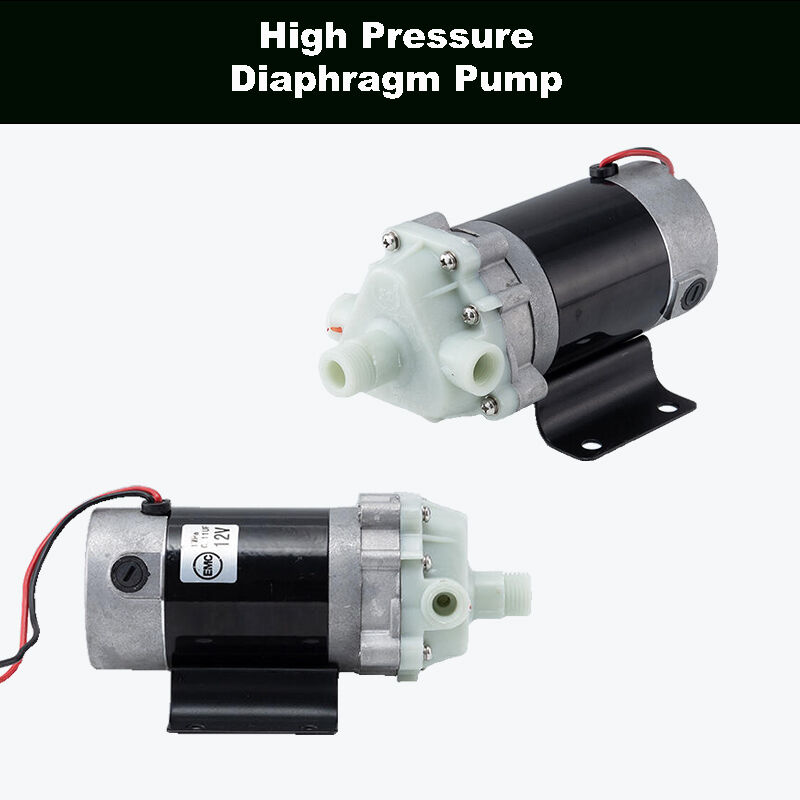
Electrical Causes: Voltage Instability and Power Supply Issues
Voltage Drop from Long Cable Runs or Undersized Wiring
When electricity travels through wires that are too thin or run too far, it meets resistance that steals power from DC diaphragm pumps. Instead of turning into useful motion, this lost energy just turns into heat. Take a standard 12 volt system for example. If there's a 2 volt drop somewhere along the line, what gets to the pump is only 10 volts. That's actually below what most pumps need to work properly, causing inconsistent movement of the diaphragm and unstable pressure readings. Farmers who install these systems out in fields or across pastures face special challenges here because their solar panels, battery banks, and actual pumps often sit miles apart. The key thing to remember when picking wire sizes isn't just looking at what the specs say on paper. Real world conditions matter too. Always calculate based on how long the whole circuit really is and what kind of current spikes happen during operation, not just the basic ratings listed in manuals.
Intermittent Solar Input and Battery Sag Affecting DC Diaphragm Pump RPM and Pressure Output
Changes in solar irradiance and drops in battery voltage when the system is under heavy load will cut down on pump revolutions per minute and lower pressure output significantly. If clouds roll in and reduce the panels' power generation or if battery levels fall below 11.5 volts, then the motor simply doesn't get enough juice to maintain its normal operating speed. What happens next? The diaphragm inside the pump takes smaller strokes, leading to uneven water distribution patterns across fields and gardens. To combat this issue, farmers and installers should keep an eye on battery condition and consider making their solar setups about 20 percent bigger than what calculations suggest they need each day. This extra capacity acts as insurance against unpredictable weather changes, ensuring that those DC diaphragm pumps continue working properly even when conditions aren't ideal.
Mechanical Failures: Diaphragm and Valve Degradation in Harsh Farm Environments
Diaphragm Wear, Rupture, or Chemical Incompatibility with Pesticides/Fertilizers
About 80 percent of all mechanical pressure problems in agricultural DC diaphragm pumps come down to failed diaphragms. The constant bending wears out the rubber over time, and when dealing with gritty fluids, tiny tears start forming that eventually turn into complete failures. Chemicals are another big issue too many everyday farming chemicals like fertilizers and pesticides actually break down regular diaphragm materials causing them to swell, get brittle, or just fall apart faster than normal sometimes within just a few months. Research shows that special diaphragms made with materials like EPDM or reinforced with PTFE can hold up about three times longer when exposed to these harsh chemicals, which means no unexpected pressure drops right when farmers need their equipment most during spraying season. To avoid these headaches, smart operators check compatibility charts before mixing chemicals, measure thickness every six months to spot wear early on, and always look closely for cracks after each time they handle corrosive substances.
Check Valve Failure and Suction Line Air Leaks Due to Filter Clogging or UV-Degraded Tubing
Valve degradation leads to incomplete sealing and backflow—directly undermining discharge pressure. In particulate-laden farm fluids, three primary failure modes dominate:
| Failure Cause | Result | Prevention |
|---|---|---|
| Debris accumulation | Stuck valves | 50-micron pre-filters |
| UV-degraded tubing | Air leaks | Opaque, reinforced suction lines |
| Chemical crystallization | Sealing surface pitting | Post-flush protocols with clean water |
Suction-side air leaks from brittle or cracked tubing can diminish vacuum efficiency by 40–70%, starving the pump chamber and reducing flow. Field studies show UV-resistant, reinforced tubing maintains structural integrity for over five growing seasons—compared to standard tubing's typical 18-month service life in direct sunlight.
System-Level Constraints: Fluid Path Restrictions and Priming Limitations
Suction/Discharge Line Blockages, Inadequate Filtration, and Low Inlet Pressure Effects
When flow paths get restricted because of mineral deposits building up in irrigation lines, sediment blocking inlet filters, or discharge hoses that are kinked somewhere, this leads to sudden pressure drops. The pump then has to struggle much harder against all that extra vacuum resistance. Studies on how fluids move around show that just having undersized suction lines can cut down flow rates anywhere between 15% to 30%, and it also speeds up wear and tear inside the system. Low inlet pressure problems usually come from things like reservoirs placed too high, isolation valves not fully open, or feed lines that are too small for what they need to handle. This lack of proper pressure basically starves the pump chamber and starts cavitation happening, which tends to wreck diaphragms and valves pretty quickly if left unchecked. To keep things running smoothly, aim for at least 3 to 5 PSI of inlet pressure by positioning tanks correctly and installing those cleanable 100-micron prefilters. Don't forget to check chemical injection areas on a regular basis too. Old or damaged tubing in these spots lets air bubbles form through tiny cracks, making priming and maintaining stable pressure even harder than it already is.
Priming Failure Modes Unique to DC Diaphragm Pumps Under Variable Off-Grid Conditions
DC diaphragm pumps running on solar power run into real problems during dry runs when power cuts off mid-prime before water fully fills the system. When voltage drops below what the pump needs to operate properly, the diaphragm doesn't complete its stroke, leaving air trapped inside and stopping the pump from getting primed correctly. Some folks install manual priming valves or add special chambers that dampen diaphragm movement, which helps the pump handle these power hiccups better. Things get even trickier in cold weather conditions. Fluids such as liquid fertilizers become much thicker when temperatures drop below 40 degrees Fahrenheit, so operators need to adjust RPM settings or warm up the fluid somehow beforehand. After every time power goes out, it's important to check if the prime remains intact. Repeated dry cycling puts stress on those rubber diaphragms and might create tiny cracks that eventually lead to early equipment failure down the road.
Preventive Best Practices for Reliable DC Diaphragm Pump Operation on Remote Farms
Regular maintenance on schedule is key if we want those DC diaphragm pumps working properly out in remote farming areas. Check diaphragms, valves, and suction lines every three months or so because worn parts can really cut down pressure output sometimes by as much as 40% according to recent field reports from 2024. Get ahead of problems by replacing those rubber parts before the busy season hits. Go for materials that stand up to chemicals well, stuff like EPDM or PTFE reinforced compounds works best when dealing with agrochemicals. Keep track of everything in service records too. Look at things like vibrations, how water flows through the system over time, and differences in pressure readings these help spot issues before they become big problems. When putting pumps away for winter, make sure all fluids are completely drained and store them somewhere where temperatures stay stable to avoid brittle parts from getting too cold. If local groundwater has more than 500 parts per million minerals floating around, throw in some sacrificial anode rods inside the pump housing to fight off corrosion caused by electricity passing through minerals. And don't forget to double check those torque specs when putting everything back together loose connections account for nearly 30% of reported failures in irrigation systems across the country.
FAQ
What are common electrical issues affecting DC diaphragm pumps?
Common electrical issues include voltage drops from long cable runs or undersized wiring and intermittent solar input affecting RPM and pressure output.
How does chemical exposure affect diaphragm pumps?
Exposure to chemicals like pesticides and fertilizers can cause diaphragms to swell, become brittle, or degrade quickly, affecting pump operation.
How can air leaks impact a pump's efficiency?
Air leaks due to UV-degraded tubing or filter clogging can reduce vacuum efficiency significantly, impacting the pump's operational performance.
What preventive practices can help in maintaining diaphragm pumps?
Regular maintenance including checking and replacing worn parts, using quality materials resistant to chemicals, storing equipment properly, and keeping records can vastly improve pump reliability.