
 EN
EN
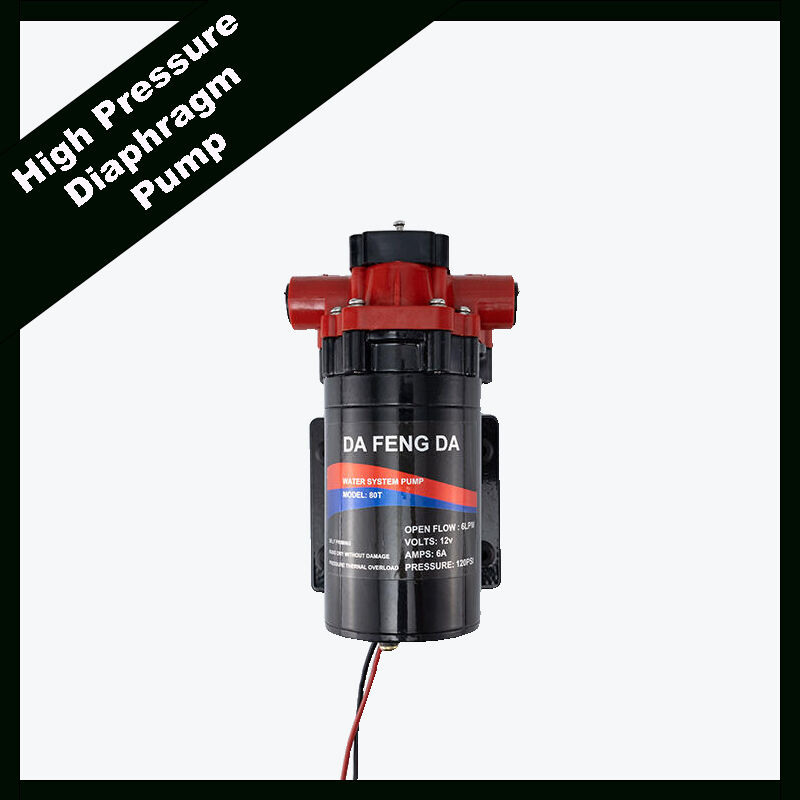
What Makes a Portable Water Pump Truly Self-Priming?
How Automatic Priming Works: Vacuum Creation, Check Valves, and Reservoir Design
True self-priming pumps overcome gravity through a multi-stage air-handling process:
- Vacuum creation: A high-speed impeller compresses air and liquid, generating suction that lifts water from below the pump.
- Air separation: The air–liquid mixture enters a dedicated reservoir where denser water settles while air rises and vents naturally.
- Recirculation: Integrated check valves retain priming liquid in the reservoir, enabling repeated cycles until all air is purged.
- Operation: Once fully primed, the pump transitions seamlessly to continuous fluid transfer—no manual intervention required.
This closed-loop system allows portable water pumps to start above their water source—a non-negotiable requirement for mobile garden irrigation, especially when drawing from rain barrels, tanks, or low-yield wells.
Critical Limitations: Dry-Start Capability vs. True Self-Priming in Low-Water or High-Suction Conditions
Despite marketing claims, most “self-priming” pumps are not dry-start capable—they require an initial charge of water (typically 0.5–1 L) in the reservoir to initiate priming. True dry-start operation remains rare and is often conflated with self-priming in consumer materials. Key constraints include:
- Suction lift limits: Performance declines beyond 22 ft (6.7 m); vacuum loss above this threshold risks vapor lock and failed re-priming.
- Priming time variability: High air content, cold water, or viscous additives can extend priming duration by up to 40%—a critical delay during time-sensitive irrigation windows.
- Intermittent reliability: Reservoir seals and gasket integrity degrade over storage periods, reducing re-prime consistency after weeks of disuse.
Always verify a pump’s minimum wetness requirement and certified suction head rating—not just advertised lift—before deploying in variable garden conditions.
Portability Meets Performance: Design Features That Enable Reliable Mobile Irrigation
Weight, Ergonomics, and Integrated Handling—Why Under 15 kg Matters for Frequent Relocation
Water pumps weighing less than 15 kilograms make moving them around between different irrigation areas much easier and less tiring. This matters a lot when working on rooftops, balconies, or those tricky sloped garden spaces. A study from the Journal of Agricultural Engineering back in 2023 showed something interesting: people tend to move these lighter pumps around about 63% more often compared to their heavier counterparts. And guess what? That frequent movement actually leads to better overall watering coverage and helps maintain proper schedules. The design features matter too. These pumps come with ergonomic handles that are molded for comfort and have those handy recessed spots for carrying. They really help prevent slips and drops when moving across rough terrain. Most standard utility models just don’t offer this kind of thoughtful design.
Case Evidence: Rotating Irrigation Across Rooftop, Balcony, and Community Plots with One Portable Water Pump
A single portable water pump successfully consolidated irrigation across three distinct urban farming environments in controlled field trials:
- Rooftop herb gardens requiring sustained 7-meter suction lift
- Balcony planters needing precise, low-flow micro-irrigation (120 L/h)
- Community vegetable plots demanding reliable 500 L/h throughput
This versatility eliminated the need for three separate systems—reducing equipment costs by 41%, cutting seasonal setup time by 78%, and simplifying maintenance logistics across rotating growing cycles.
Above-Ground Versatility: Connecting to Rain Barrels, Tanks, and Variable Water Sources
Suction Lift Benchmarks: Sustained 22 ft (6.7 m) Performance Without Loss of Prime
Self-priming portable water pumps achieve above-ground versatility primarily through proven, sustained 22-foot (6.7-meter) suction lift—validated across independent lab and field testing per ISO 9906 Annex H protocols. This benchmark ensures uninterrupted water transfer even when sources sit significantly below pump level, such as:
- Underground rainwater cisterns
- Elevated rooftop storage tanks
- Mobile IBC totes on unlevel terrain
What really matters is keeping that prime going, not just getting initial lift. Cheaper pumps tend to lose their suction power once they get past about 5 meters because air gets in through leaks or faulty seals. Better quality models incorporate things like precisely machined impellers, double sealed reservoirs, and specially designed vent paths that maintain vacuum strength even when lifting water from greater depths. Many also feature built-in anti-siphon check valves which stop water from flowing back into the pump when it shuts down, so operators don’t have to waste time re-prime the system before restarting. These engineering improvements turn portable pumps into versatile tools for connecting to all sorts of non-pressurized water sources. Field technicians report saving roughly three quarters of the setup time compared to older models that required manual priming each time they were used.
Operational Efficiency: Time, Labor, and Setup Savings for Intermittent Garden Use
Portable self-priming water pumps really cut down on work for folks who only need them occasionally in their gardens, saving around 80% of the usual setup hassle compared to traditional fixed systems or ones that require manual priming. These pumps come with an automatic priming feature so they basically just work right out of the box. No need to fill them first, bleed hoses, or mess around trying different settings when moving between rain barrels, storage tanks, or whatever container happens to be handy at the moment. Some recent research from last year showed these pumps can reduce gardening labor by about half, which makes all the difference for busy city dwellers tending rooftop gardens or volunteers managing community plots with limited time. The compact size means they fit easily in storage spaces like closets, garden sheds, or even tucked underneath bench seats. Plus, they’re built with materials that resist rust and corrosion, so there’s less maintenance needed through the seasons. Whether someone needs to water a balcony every day or tends to community garden beds once a week, these pumps save roughly 3 to 5 hours each month that would otherwise go into fiddling with equipment. And those saved hours translate into real money savings over time, which is why more homeowners and small scale growers are turning to this type of pump solution.
FAQ
What is a self-priming portable water pump?
A self-priming portable water pump is a type of pump that can automatically handle air within the pumping system. It can start above the water source and achieve suction without needing manual intervention once initially primed with water.
What are the limitations of self-priming pumps?
Most self-priming pumps are not capable of dry starts and require an initial water charge to begin priming. They are also limited by suction lift capabilities and can face issues with vacuum loss and reliability over time.
Why is weight important in portable water pumps?
Weight is crucial for portability. Pumps weighing less than 15 kg are easier to relocate, which enhances their usability in diverse and often difficult-to-reach gardening areas.
How do these pumps connect to various water sources?
Portable self-priming pumps connect to various sources due to their sustained suction lift capacity, efficient design to prevent leaks or loss of suction, and features like anti-siphon check valves.
Table of Contents
- What Makes a Portable Water Pump Truly Self-Priming?
- Portability Meets Performance: Design Features That Enable Reliable Mobile Irrigation
- Above-Ground Versatility: Connecting to Rain Barrels, Tanks, and Variable Water Sources
- Operational Efficiency: Time, Labor, and Setup Savings for Intermittent Garden Use
- FAQ