
 EN
EN
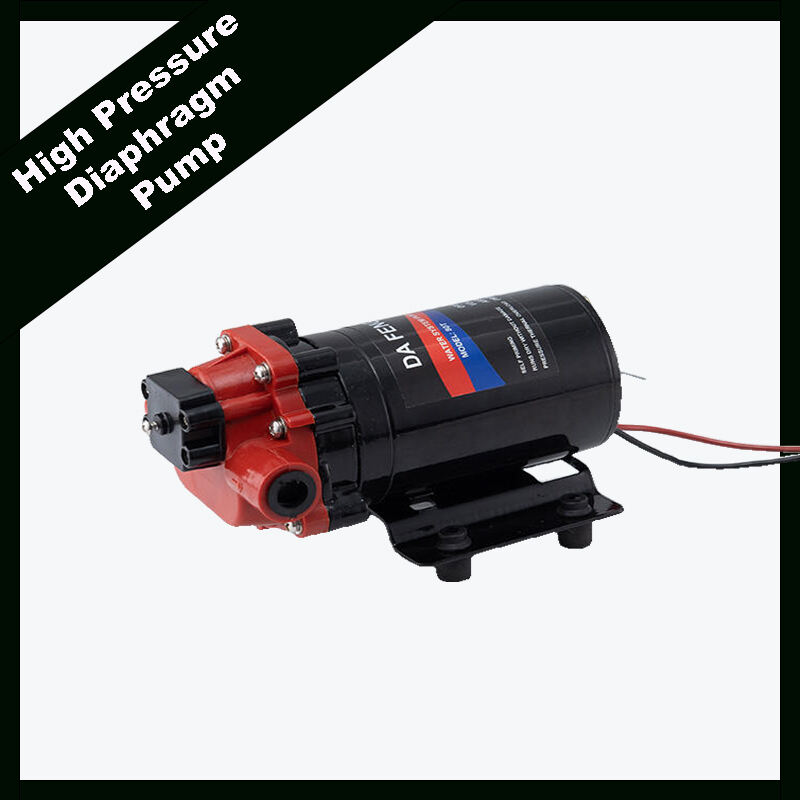
Essential Personal Protective Equipment for Sprayer Pump Operators
Respiratory, Dermal, and Ocular Protection Specific to Sprayer Pump Exposure Risks
Operators handling chemical pesticides via sprayer pumps face inhalation, skin contact, and splash hazard especially during high-pressure tasks like mixing, tank filling, and nozzle clearing. Essential PPE must address these exposure pathways with performance-tested, chemical-resistant gear:
- NIOSH-approved respirators (N95 or higher) are required during mixing and spraying to filter airborne pesticide particles and vapors
- Chemical-resistant gloves (14-mil thickness) and disposable coveralls (e.g., Tyvek-type) prevent dermal absorption critical given that 68% of acute pesticide exposures occur due to inadequate PPE during sprayer pump operations (2023 Ag Safety Review)
- Goggles with integrated face shields, sealed against liquid splashes, are non-negotiable for tasks involving pressurized connections, where leaks exceeding 300 PSI can penetrate standard workwear in seconds
Fit-Testing, Regulatory Compliance, and Real-World PPE Adherence Gaps
OSHA 1910.132 mandates annual respirator fit-testing and documented training but field audits show persistent gaps in implementation. Heat stress (reported by 74% of operators) and cost remain primary barriers to consistent use.
| Compliance Factor | Requirement | Adherence Rate |
|---|---|---|
| Respirator Fit-Testing | Annual certification | 38% |
| Glove Replacement | After 8 hours of continuous use | 29% |
| Eyewear Sealing | Gasket integrity checks before each shift | 51% |
Employer-supported interventions such as integrated cooling vests and subsidized PPE programs have improved adherence by 57% in USDA pilot studies. Sustained compliance hinges on pairing regulatory requirements with practical, operator-centered solutions.
Sprayer Pump Inspection, Calibration, and Operational Integrity
Pre-Use Checklist: Seals, Valves, Hoses, and Pressure Regulators
Systematic pre-use inspection is the first line of defense against equipment failure and operator exposure. Focus on four critical components:
| Component | Inspection Focus | Consequence of Failure |
|---|---|---|
| Seals | Cracks, swelling, or chemical degradation | Leaks contaminating operators or environment |
| Valves | Smooth actuation, absence of corrosion | Erratic flow or pressure loss compromising application accuracy |
| Hoses | Abrasions, bulges, or stiffness indicating fatigue | Catastrophic bursts during high-pressure operation |
| Pressure Regulators | Consistent gauge readings (±5% variance under load) | Over-application risking crop phytotoxicity or regulatory violations |
Replace compromised parts immediately and verify integrity using water-pressure testing before chemical loading. A pressure decay test revealing >10% drop per minute confirms seal failure (USDA Guidelines 2024).
Calibrating the Sprayer Pump for Accurate Application Rates and Dose Consistency
Regular quarterly calibration keeps pesticide applications both accurate and legally sound. Start by checking how evenly the nozzles spray along the boom with those special collection cups. Then tweak the pressure settings until each nozzle flows within about 5% of one another. Ground speed matters too remember that if someone doubles their speed down the field, they cut the amount applied in half. That's why it's important to run actual GPS tests alongside the flow meter readings. Always do this stuff when conditions match what happens on the farm because temperature changes can mess with viscosity enough to shift flow rates by roughly 2% for every 10 degree temperature swing. Farmers who skip this step end up risking overapplication problems. The Ponemon Institute found in 2023 that companies typically face around $740k in fines whenever incidents occur. Keep detailed records showing doses stay within plus or minus 3% to satisfy both federal EPA requirements and local regulations across different states.
Safe Pesticide Handling: Mixing, Cleaning, and Residue Control for Sprayer Pumps
Closed-Transfer Systems and Engineering Controls During Mixing
Closed-transfer systems eliminate open-pouring hazards during pesticide mixing by moving chemicals directly from container to sprayer tank via vacuum or pressure differentials. Traditional pouring accounts for 74% of mixing-related exposures and an average $740,000 incident cost (Ponemon 2023). Effective engineering controls include:
- Lockable quick-connect fittings that prevent manual handling
- Integrated rinsing modules that clean containers during transfer
- Ventilated chemical cabinets with spill containment trays
When properly implemented, these systems reduce airborne pesticide concentrations by 95% versus open methods. Always confirm gasket material compatibility with specific pesticide formulations to avoid chemical degradation and leakage.
Triple-Rinse Protocols and Waste Management for Sprayer Pump Components
The triple rinse method remains standard practice when cleaning sprayer pumps after use. First things first, make sure to empty out whatever's left in the tank. Then fill it about 10% full with fresh water, give it a good shake around, and pour everything into proper waste bins. Do this whole process two more times exactly the same way. Important note: keep those rinses away from ground surfaces, roads, and drainage systems at all costs. Every single part needs attention too - boom pieces, nozzles, filters, pressure gauges, hoses, inside the tank walls. We're talking about preventing cross contamination here, something that causes roughly 40 percent of problems related to leftover chemicals. Collect all that rinse water properly for either disposal through authorized channels or maybe even reuse if regulations allow. Keep cleaned equipment stored somewhere well aired and specifically set aside for this purpose. And remember folks, protective gear isn't optional during any part of this cleanup routine.
Environmental Safeguards: Minimizing Drift and Contamination Through Sprayer Pump Control
Getting sprayer pump control right matters a lot for taking care of our environment. New tech that reduces drift creates bigger, heavier droplets that don't get blown away so easily. This means chemicals stay where they're supposed to go without losing effectiveness. Keeping pressure around 30 psi or lower helps prevent those tiny mists from forming while still getting good coverage across fields. Farmers need to keep an eye on weather conditions too. If winds pick up past 4 miles per hour or humidity drops below half, it's time to stop spraying because these situations make drift much worse. Following these guidelines protects all sorts of areas like streams, ponds, plants not meant for treatment, and even bees and other pollinators. Studies show this approach can cut down on wasted chemicals by roughly 30 percent. Combine this with regular equipment checks and proper safety gear, and we see why careful sprayer management isn't just good farming practice but actually makes farms work better while being kinder to nature.
Frequently Asked Questions
What PPE is required for sprayer pump operators?
Essential PPE includes NIOSH-approved respirators, chemical-resistant gloves, disposable coveralls, and goggles with integrated face shields.
Why is fit-testing important for respirators?
Fit-testing ensures that respirators fit properly and provide the intended level of respiratory protection against hazardous airborne substances.
How often should sprayer pump equipment be inspected?
Sprayer pump equipment should be inspected systematically before each use, focusing on seals, valves, hoses, and pressure regulators.
What is the triple rinse method?
The triple rinse method involves filling the tank with fresh water and emptying it into appropriate waste bins three times to ensure proper cleaning of sprayer pump components.
Table of Contents
- Essential Personal Protective Equipment for Sprayer Pump Operators
- Sprayer Pump Inspection, Calibration, and Operational Integrity
- Safe Pesticide Handling: Mixing, Cleaning, and Residue Control for Sprayer Pumps
- Environmental Safeguards: Minimizing Drift and Contamination Through Sprayer Pump Control
- Frequently Asked Questions