
 EN
EN
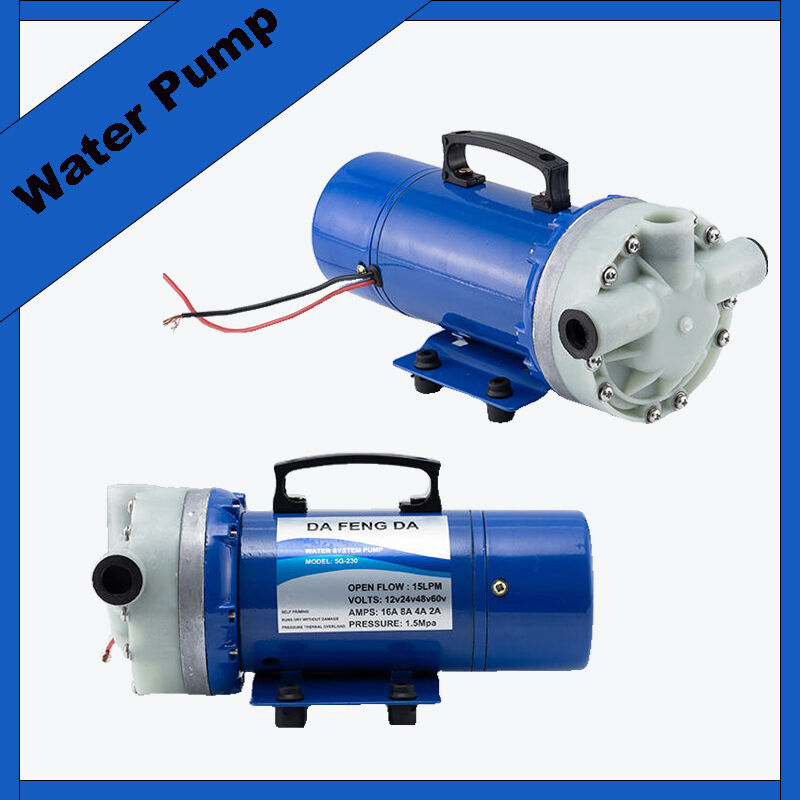
Core Durability Factors for Agricultural Booster Pumps
Mechanical Wear in Critical Components: Impellers, Seals, and Bearings Under Continuous Load
Running booster pumps nonstop puts serious strain on all their parts. The impeller gets worn down by those little abrasive particles floating around in the water, and the mechanical seals just wear away faster because they're constantly dealing with heat changes and friction. Those bearings? They're critical for keeping everything lined up properly, but when there's even slight misalignment or not enough lubrication, they tend to give out way before their time. We've seen field reports indicating that pumps working more than 12 hours each day need new seals about three times as frequently compared to ones that sit idle most of the time. Choosing the right materials makes a big difference though. Stainless steel impellers hold up against cavitation damage roughly 40 percent better than cast iron does in waters with lots of solids suspended in them. And ceramic seals really shine in sandy environments where carbon composite alternatives would fail much sooner.
Sediment-Induced Degradation: Field Evidence from 5-Year Midwest Irrigation Studies
The wearing down caused by sediment remains one of the biggest problems for agricultural booster pumps, particularly when they're pulling water straight from unfiltered sources like ponds or ditches. Looking at data from a multiyear project involving nearly 50 farms throughout the Midwest region, researchers noticed something pretty significant. Pumps dealing with water containing over 500 parts per million of suspended solids required new impellers roughly twice as often compared to systems working with cleaner water below 100 ppm TSS levels. What's really interesting though is how fast moving particles accelerate damage. For every additional meter per second in water flow speed, wear on those curved pump casings went up around 18%. Farmers have found that installing centrifugal sand separators makes a world of difference, cutting down on abrasive materials by almost 90% according to field tests. Regular maintenance matters too, with most experts recommending checking impeller clearances every three months. Those who combine these two approaches typically see their equipment last about a third longer before needing repairs, even when facing tough conditions with lots of dirt and debris in the water supply.
Performance Stability of Booster Pumps Across Variable Farm Conditions
Long-Term Pressure Stabilization Efficacy: Drip vs. Center-Pivot Systems Over 3+ Years
Booster pumps need to keep pressure levels just right across all sorts of irrigation systems, but how stable they stay over time really depends on whether we're talking about drip systems or center pivots. Drip irrigation puts constant, gentle pressure on pumps most of the time, which actually helps reduce wear and tear on the equipment. Center pivot systems tell a different story though. These big rotating machines create pressure surges every time they start moving or come to a stop, causing those annoying load shifts that can damage components. Looking at actual field tests in dry regions shows something interesting: drip systems manage to hold pressure within about 5% variance for roughly 90% of their operating hours even after three years. Not so great for center pivots, where pressure swings can get as wide as 22% during the same timeframe according to AgriWater Journal research from last year. That kind of fluctuation wears out seals around 30% faster than what happens with drip systems. Pressure tanks help somewhat, but nothing beats having pumps that perform consistently if farmers want even water distribution and better harvests.
Environmental Resilience: How NEMA 4X Enclosures Reduce Failures by 42% in Humid Climates
Booster pumps just don't last as long in environments where humidity hangs around, salt air gets everywhere, and dust particles float through the atmosphere. That's why many agricultural operations have started turning to NEMA 4X enclosures certified by the National Electrical Manufacturers Association. These special enclosures are built with materials that resist corrosion and feature tight seals against the elements. They stop water from getting inside where it can cause short circuits and eat away at bearings, plus they keep out all sorts of gritty dust and sediment that would otherwise damage internal components. Looking at actual farm operations across the Southeast United States, farmers reported about 42 percent fewer pump breakdowns after three years when switching to these specialized housings compared to regular enclosures according to the Farm Equipment Reliability Report from 2023. Fewer unexpected repairs mean better water pressure management right when crops need it most during those crucial growth periods.
Extending Booster Pump Lifespan Through Precision Maintenance
USDA-Validated Preventive Maintenance Protocols That Increase MTBF by 2.8−
When it comes to equipment that lasts longer than expected, what really makes the difference isn't just regular maintenance but following strict, research-backed procedures. According to USDA studies, farms that stick to these protocols see their machines last almost three times longer between breakdowns compared to those who only fix things when they break. The best practices focus on three main areas worth mentioning first. Check impeller clearances every quarter to stop erosion from imbalances. Lubricate seals after roughly 500 hours of operation. And don't forget to test bearings with ultrasound tech every six months or so. Getting rid of sediment is actually where most problems start. After harvest season, flush systems thoroughly and replace intake filters regularly. This tackles the source behind nearly two thirds of early wear issues seen on farms. When 140 farms in the Midwest started implementing these methods, emergency repairs dropped by around 40%, saving each operation about eighteen thousand dollars annually. What sets USDA guidelines apart from standard manufacturer recommendations is how they adjust maintenance schedules based on actual water conditions and how busy different seasons get. This means extra protection exactly when the equipment needs it most during peak farming periods.
Smart Design Choices That Boost Booster Pump Longevity in Farm Applications
VFD Integration Paradox: Higher Initial Stress, 37% Lower Bearing Failure Rates
Variable Frequency Drives (VFDs) offer something unexpected. Sure, those initial voltage surges can put some strain on bearings when they start up, but look at the big picture and field tests actually show about 37% fewer bearing problems overall in the long run. Why? Because VFDs stop that constant running at full speed which is basically what wears out most traditional booster pumps. When motors match their speed to what's needed for irrigation, it cuts down on all that repeated heating and cooling plus those annoying hydraulic imbalances. Take almond growers in California's Central Valley as proof. After installing VFD systems, many reported almost twice as long between maintenance stops even though their water often had plenty of corrosive stuff floating around. Plus, these drives help avoid those damaging dry runs and sudden pressure jumps that shorten seals and impellers' lives. Want to get all these advantages? Then don't forget proper grounding and those harmonic filters to handle those voltage hiccups that happen at the beginning of VFD operation.
FAQ
What materials are ideal for impellers in agricultural booster pumps?
Stainless steel impellers are preferable in environments with significant solids in the water because they resist cavitation damage better than cast iron. Ceramic seals outperform carbon composite alternatives in sandy environments.
How does sediment affect booster pump performance?
Sediment can accelerate the wear of components like impellers and pump casings, particularly at higher concentrations and flow speeds. Centrifugal sand separators significantly reduce abrasive materials, prolonging pump lifespan.
What impact does environment have on the durability of booster pumps?
Humid and dusty environments can shorten the lifespan of pumps by causing corrosion and damage to internal components. NEMA 4X enclosures help to mitigate these issues by providing protective housing.
Can preventive maintenance extend the lifespan of booster pumps?
Yes, following USDA-validated preventive maintenance protocols can substantially increase the mean time between failures (MTBF) of pumps by addressing key areas such as impeller clearance, seal lubrication, and sediment management.
What is the role of Variable Frequency Drives (VFDs) in booster pump operation?
Despite initial stresses during startup, VFDs reduce long-term wear on bearings and other components by enabling pumps to run only at necessary speeds, thus reducing prolonged strain.