
 EN
EN
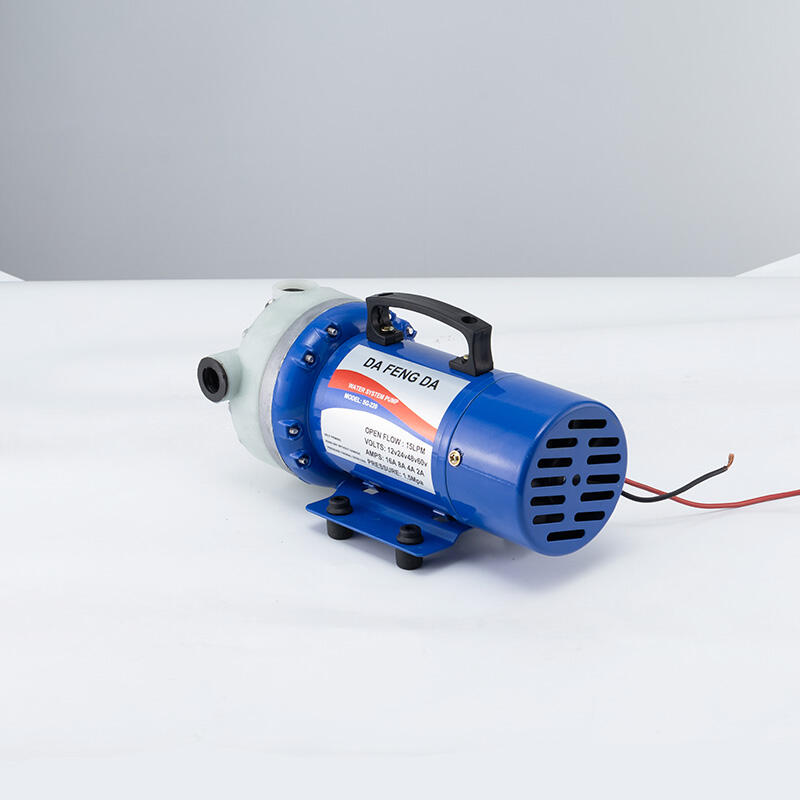
Understanding High-Pressure Pump Hazards and Injection Risks
How high-pressure fluid injection injuries occur—and why they’re uniquely dangerous
A high-pressure pump system can eject fluid through a pinhole leak at speeds exceeding 600 miles per hour—fast enough to penetrate skin and underlying tissue without an obvious wound. The injury often appears as a small puncture, but hydraulic oil rapidly spreads along muscle planes and blood vessels. Because initial pain is frequently minimal, operators may delay seeking care, mistaking the injury for a minor sting or abrasion. Within hours, however, the injected fluid triggers severe inflammation, tissue necrosis, and potentially compartment syndrome. Emergency surgical debridement is the only effective treatment, and outcomes deteriorate significantly with every hour of delay. Never use bare hands—or even a rag or glove—to locate leaks; neither offers meaningful protection. The hazard lies not in the size of the opening, but in the immense stored pressure. For this reason, high-pressure injection remains one of the most serious and under-recognized risks in agricultural maintenance.
Farm-specific incident analysis: Hydraulic line failures and operator outcomes
Agricultural hydraulic systems commonly operate above 2,000 psi—enough pressure to project fluid several meters from a burst line. Operators often work in close proximity to equipment during troubleshooting, increasing exposure risk. In one documented case, a farmer attempting to assess a sluggish implement squeezed a leaking hose and was injected with hydraulic oil into his index finger. He delayed medical attention, and by day three required surgical debridement and intravenous antibiotics. Such incidents underscore a critical farm-specific vulnerability: workers frequently operate alone, far from emergency services, and without immediate access to high-volume wash stations or trained first responders. Delays of just two hours can double the extent of tissue loss. Proven preventive actions—including scheduled hose replacement, physical shielding around high-risk fittings, and mandatory shutdown upon suspicion of any leak—can dramatically reduce both frequency and severity of these injuries.
Implementing Effective Lockout/Tagout for High-Pressure Pump Systems
Step-by-step LOTO protocol tailored to agricultural hydraulic equipment
Agricultural hydraulic systems retain hazardous energy long after shutdown—a single unbled accumulator or trapped line can release a jet capable of penetrating skin. A strict, equipment-specific Lockout/Tagout (LOTO) procedure is therefore non-negotiable before any maintenance. Begin by notifying all nearby personnel. Shut down the machine using the manufacturer’s recommended stopping sequence—not just turning off the ignition. Then isolate all energy sources: electric power, hydraulic pressure (via main supply valves), and pneumatic lines. Apply durable, individually keyed locks to each isolation point—never rely on “off” positions alone. Attach weather-resistant tags clearly identifying the authorized employee and date. Next, safely release residual energy: cycle hydraulic controls, bleed accumulators, and crack low-point drain fittings slowly, while wearing full PPE. Finally, verify zero energy by attempting to start the system and confirming no movement or pressure at test points. Document verification in writing—and never remove a lock unless you applied it.
Top 3 LOTO pitfalls on farms—and how to eliminate them before maintenance begins
Assuming dead-heading removes all pressure. Closed valves or clogged lines can trap hydraulic energy even after the pump stops. Always bleed the system at the lowest-pressure drain point and monitor for unexpected discharge. At 450 bar, a high-pressure spray can breach skin in under one second—treat every line as live until verified empty.
Using a single lock for multiple workers. Group lockout is common on farms but violates core LOTO principles. Each technician must apply their own lock to a multi-lock hasp. Without individual accountability, one person restarting the system places everyone at risk. A simple color-coded lock system with personal ID tags eliminates this hazard.
Skipping verification. A visual check or assumption that “it’s off” is insufficient. After locking out, attempt to start the pump and test hoses with a non-contact pressure gauge. Any movement—even a twitch—or residual pressure indicates incomplete isolation. This final verification step prevents dozens of preventable injection injuries annually.
Selecting and Using OSHA-Compliant PPE for High-Pressure Pump Work
OSHA requires a site-specific hazard assessment before any maintenance task, with PPE selected to match identified risks (29 CFR 1910.132). For high-pressure pump work on farm equipment, the primary hazards are fluid injection, high-velocity debris from ruptured lines, and noise levels routinely exceeding 85 dBA. Eye protection must meet ANSI Z87.1 standards; when injection risk is present, a full face shield adds essential coverage against pressurized spray. Hearing protection is mandatory where the 8-hour time-weighted average reaches 85 dBA—a threshold commonly exceeded by operating hydraulic pumps (29 CFR 1910.95). Hand protection must be both cut-resistant and fluid-impermeable to block injection pathways; gloves rated for high-pressure hydraulic work (e.g., ASTM F2878) are strongly advised. Steel-toed boots protect against crush hazards, and where system pressures exceed 3,000 PSI, water-resistant body suits help limit skin contact with pressurized fluid. Every item must be properly fitted, inspected before each use, and replaced immediately if compromised. Equally important is training—not just on donning and doffing—but on the real-world limitations of each PPE component.
Preventive Maintenance Strategies That Reduce High-Pressure Pump Safety Risks
A well-designed preventive maintenance program does more than preserve equipment—it directly reduces the risk of catastrophic high-pressure fluid injection injuries. By catching problems early, operators prevent the sudden failures that lead to dangerous exposures.
Proactive checks: Fluid contamination, seal degradation, and pressure-rated component integrity
The first line of defense is routine inspection of hydraulic fluid. Contamination—from water, particulates, or oxidation—accelerates abrasive wear on pumps and valves, raising the likelihood of pressure spikes and seal failure. Regular oil analysis and timely filter changes keep fluid within ISO cleanliness standards, which studies show can reduce component wear by up to 50% (NFPA 2018). Seals and gaskets demand equal scrutiny: even minor degradation from heat or chemical exposure can create pinhole leaks that become invisible injection streams under pressure. A 2023 study found that 70% of hydraulic injection injuries on farms stemmed from seal failures overlooked during routine checks. Finally, confirm that all pressure-rated components—hoses, fittings, and relief valves—are certified for the system’s maximum operating pressure. One mismatched fitting can rupture without warning. Integrating these three checks into daily or weekly routines cuts unplanned downtime and, more critically, keeps operators safe.
Frequently Asked Questions
What is a high-pressure fluid injection injury?
A high-pressure fluid injection injury occurs when fluid under high pressure is forcibly injected into the skin and tissue, often without an obvious external wound.
Why is immediate medical attention necessary for injection injuries?
Injection injuries can lead to severe inflammation, tissue destruction, and compartment syndrome. Emergency surgical intervention is critical, as outcomes worsen with delay.
How can farmers prevent high-pressure fluid injection injuries?
Farmers can prevent injuries by performing regular maintenance checks, replacing hydraulic hoses on schedule, using physical shields, and adhering to strict Lockout/Tagout procedures.
What PPE should be used during high-pressure pump maintenance?
Recommended PPE includes ANSI-rated eye and face protection, fluid-impermeable gloves, steel-toed boots, and water-resistant body suits for systems exceeding 3,000 PSI.
Why is Lockout/Tagout essential for hydraulic systems?
Lockout/Tagout ensures energy sources are isolated, preventing unexpected fluid release during maintenance, which could result in serious injuries like fluid injections.
Table of Contents
- Understanding High-Pressure Pump Hazards and Injection Risks
- Implementing Effective Lockout/Tagout for High-Pressure Pump Systems
- Selecting and Using OSHA-Compliant PPE for High-Pressure Pump Work
- Preventive Maintenance Strategies That Reduce High-Pressure Pump Safety Risks
- Frequently Asked Questions