
 EN
EN
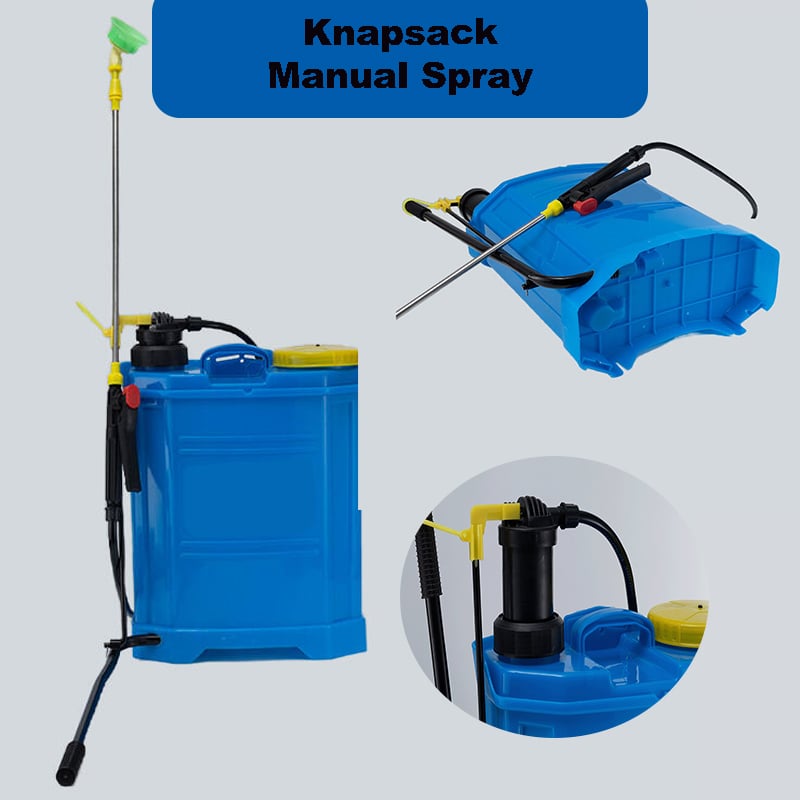
Why Manual Sprayers Are the Optimal Choice for Small-Scale Weed Management
Manual sprayers deliver unmatched precision for small-scale weed control, making them the go-to tool for gardeners and small farm operators. Unlike motorized sprayers, manually operated devices allow users to target individual weeds with minimal overspray—reducing chemical waste and protecting desirable plants. This spot-treatment capability is critical for properties under an acre, where blanket spraying with large equipment is inefficient, costly, and environmentally risky.
Their cost-effectiveness further strengthens their appeal. With simple, durable designs requiring minimal maintenance and zero fuel or electricity, quality backpack sprayers can last years with proper care. Many small-scale growers report significant herbicide savings—not from dilution, but from accurate application that avoids re-treatment. The low upfront investment delivers long-term value through reduced input costs and healthier, more resilient gardens.
Portability and ease of use round out their advantages. Lightweight models (1–5 gallons) navigate tight rows, uneven terrain, and remote corners without cords or engines. Modern ergonomic backpack designs distribute weight comfortably across shoulders and back, while intuitive hand-pump mechanisms give full control over pressure and spray pattern. For anyone managing a vegetable patch, flower bed, or ornamental border, manual sprayers offer the ideal balance of control, efficiency, and sustainability.
Comparing Manual Sprayer Types: Hand Pump vs. Backpack for Targeted Weed Control
For small-scale gardeners aiming to control weeds precisely, the choice between a hand pump sprayer and a backpack sprayer hinges on job size, comfort, and control. Hand pump sprayers—typically holding 1 to 3 gallons—are lightweight and simple: a few pump strokes pressurize the tank, and a wand delivers herbicide directly to weed foliage. Pressure declines during use, requiring periodic re-pumping—but this trade-off supports affordability and low fatigue for short tasks. Backpack sprayers (4–6 gallons) shift weight onto the shoulders and back, often featuring a lever-operated pump that maintains consistent pressure while walking. This enables continuous coverage of larger beds or fence lines without interruption. However, a full 6-gallon unit can exceed 40 pounds—potentially taxing on slopes or during extended sessions.
For targeted applications, hand pump sprayers excel at spot-treating individual weeds among delicate ornamentals or in confined spaces, thanks to their compact size and fine output control. Backpack sprayers suit medium-sized areas where efficiency matters—but still demand precision over broadcast spraying. In both cases, nozzle selection is essential: a directed stream or narrow cone pattern ensures herbicide hits only the target weed, not surrounding vegetation.
| Feature | Hand Pump Sprayer (1–3 gal) | Backpack Sprayer (4–6 gal) |
|---|---|---|
| Tank Capacity | 1–3 gallons | 4–6 gallons |
| Weight When Full | 8–25 lbs | 25–40+ lbs |
| Pressure Source | Manual pump before use; pressure drops | Lever-operated pump during use; constant pressure |
| Best For | Spot treatments, small gardens, tight spaces | Medium areas, paths, beds, fence lines |
| Comfort | Lightweight, easy to carry | Padded straps reduce arm strain—but may fatigue back over time |
Ultimately, selecting the right manual sprayer depends on your property’s layout, the scale of your weed pressure, and your physical stamina—not just capacity.
Maximizing Effectiveness: Calibration, Technique, and Maintenance of Manual Sprayers
Nozzle Selection and Pressure Control for Consistent Coverage
Nozzle choice directly shapes spray accuracy and efficacy. Flat fan nozzles produce a tapered, uniform band ideal for row crops or edging; cone nozzles generate finer droplets suited for foliar coverage on broadleaf weeds. Maintaining steady pumping pressure preserves consistent droplet size—critical for minimizing drift and ensuring herbicide contact with target foliage. Inconsistent pressure leads to erratic coverage: too little causes under-application; too much increases bounce and off-target movement. Calibrate your sprayer at season start—and after any nozzle change—by measuring output over a known area (e.g., 100 sq. ft.) at a steady walking speed. Adjust walking pace or nozzle orifice size until you match your label’s recommended rate. This simple step prevents chemical waste and ensures reliable results.
Proper Cleaning and Storage to Extend Manual Sprayer Lifespan
Residue buildup corrodes seals, clogs nozzles, and compromises performance. Rinse the tank, pump, hose, and wand thoroughly with clean water immediately after each use—even when applying non-phytotoxic solutions. If herbicides were used, flush the system with a neutralizing agent (e.g., diluted vinegar for acidic products or baking soda solution for bases), then rinse again. Drain completely and store upright with valves open to prevent freezing damage or seal degradation. Keep the sprayer in a dry, shaded location away from UV exposure and temperature extremes. Inspect gaskets, filters, and O-rings quarterly; replace worn components proactively. This routine extends service life, safeguards calibration integrity, and ensures readiness for every growing season.
Sustainability and Safety Benefits of Manual Sprayers in Home and Horticultural Settings
Manual sprayers operate entirely without fossil fuels, batteries, or grid power—eliminating direct emissions and lowering the carbon footprint of routine weed management. Their near-silent operation also removes noise pollution, a key advantage in residential neighborhoods and community gardens where gasoline-powered alternatives are disruptive or prohibited.
Safety is inherently elevated by design. Low, consistent operating pressure reduces chemical drift—keeping applications confined to target weeds and away from children, pets, pollinators, and adjacent plantings. Without fuel tanks, hot engines, or electrical components, risks of spills, burns, or shocks vanish. Ergonomic refinements—including adjustable padded straps, balanced weight distribution, and lightweight polymer tanks—support safe, fatigue-resistant handling, helping prevent repetitive-strain injuries during prolonged use.
Perhaps most importantly, the physical effort required for each tank refill encourages mindful application. Users naturally pause, assess coverage, and adjust technique—leading to more deliberate, measured use of herbicides. This behavioral nudge reinforces responsible stewardship—both economically, by curbing unnecessary inputs, and ecologically, by preserving soil health and non-target biodiversity.
FAQ Section
What size manual sprayer should I choose?
Choose the size based on your garden's needs. For spot treatments or small gardens, 1–3 gallon hand pump sprayers work best. For medium areas or continuous coverage, opt for a 4–6 gallon backpack sprayer.
How often should I clean my manual sprayer?
Clean your sprayer immediately after each use to prevent residue buildup, which can compromise performance and damage components.
How do I calibrate my manual sprayer for effective weed control?
Calibrate by measuring the output over a known area (e.g., 100 sq. ft.) at a steady walking speed. Adjust nozzle size or walking pace to match the herbicide label's recommended rate.
Are manual sprayers eco-friendly?
Yes, manual sprayers operate without fossil fuels or batteries, avoiding emissions and reducing noise pollution.
Are manual sprayers safe for residential use?
Manual sprayers are safe and minimize chemical drift, protecting children, pets, and pollinators.
Table of Contents
- Why Manual Sprayers Are the Optimal Choice for Small-Scale Weed Management
- Comparing Manual Sprayer Types: Hand Pump vs. Backpack for Targeted Weed Control
- Maximizing Effectiveness: Calibration, Technique, and Maintenance of Manual Sprayers
- Sustainability and Safety Benefits of Manual Sprayers in Home and Horticultural Settings
- FAQ Section