
 EN
EN
Why Adjustable-Strap Backpack Sprayers Reduce Physical Strain on Farm Workers
High Injury Rates Linked to Poorly Fitted Sprayers
Farm workers routinely carry heavy tanks during spraying. Fixed, non-adjustable straps create pressure points and force the spine into awkward postures—especially for shorter workers who lean forward or taller ones who endure shoulder strain. This mismatch contributes significantly to musculoskeletal disorders (MSDs), particularly in the lower back and shoulders. Agricultural workers face a 20% higher rate of chronic back pain than other laborers, with ill-fitting carriers identified as a major contributing factor (NIOSH 2021). Consequences extend beyond health: lost workdays, reduced efficiency, and high turnover. Adjustable straps eliminate these hazards by enabling each user to center the load’s mass close to the body’s natural axis—regardless of height—directly cutting injury risk.
Biomechanical Benefits: How Dual-Adjustment Harnesses Distribute Load and Lower Lumbar Stress
Dual-adjustment harnesses feature independently adjustable shoulder and hip straps, allowing precise load redistribution: shoulder straps bear approximately 60% of the weight while a padded hip belt absorbs the remaining 40% (Ergonomics Society 2022). By shifting load from the spine to the pelvis—where the iliac crest is evolutionarily adapted for weight-bearing—lumbar disc pressure drops by 25%, lowering compression injury risk. A properly positioned hip belt anchors the tank low on the back, aligning its center of gravity with the user’s base of support and reducing forward lean. Adjustable chest straps further stabilize the load, minimizing lateral sway on uneven terrain. Field studies show workers using dual-adjustment sprayers report 30% less fatigue after a full day compared to single-strap systems—enabling longer, safer spraying sessions without cumulative strain.
Ergonomic Harness Design Features That Maximize Comfort in Backpack Sprayers
Ventilated, Molded Foam Padding and Breathable Mesh Panels
In backpack sprayers used for eight or more hours daily, non-ventilated straps commonly cause skin irritation and heat rash. Molded, open-cell foam padding with integrated ventilation channels improves airflow, lowering contact skin temperature by ~6°F and reducing perspiration by up to 30% (Textile Research Journal, 2022). Breathable mesh panels enhance moisture wicking and evaporation. To ensure sustained performance, foam must retain resilience after repeated compression—ideally using multi-density layers: a firm base for structural support and a softer top layer for comfort. This design minimizes pressure points across shoulders and chest, helping workers stay focused and productive throughout the season.
Hip- vs. Shoulder-Centric Load Transfer: Evidence-Based Recommendations for Extended Use
Backpack sprayers often exceed 25 pounds when filled—a load that, if borne primarily by the shoulders, increases risk of chronic low-back disorders. Biomechanical research confirms that transferring the majority of weight to the hips via a wide, padded hip belt significantly reduces spinal compression. A 2021 study in the Journal of Agricultural Safety and Health found hip-centric harnesses lowered lumbar disc pressure by 18% and decreased perceived exertion by 22% versus shoulder-dominant configurations. Shoulder-only loading also increased upper trapezius muscle activity by 28%, underscoring the biomechanical advantage of hip-focused designs. For extended use, an adjustable hip belt with load-lifter straps is essential—it enables micro-adjustments to position the tank’s center of mass near the body’s center of gravity, enhancing stability and minimizing forward lean. Operators should prioritize designs where the hip belt carries 60–80% of the weight, with shoulder straps serving primarily for stabilization—not primary load-bearing.
How to Evaluate Adjustable Straps on Backpack Sprayers for Real-World Farm Conditions
Key Adjustment Points: Chest, Shoulder, and Hip Strap Micro-Adjustments
True adjustability goes beyond sliding straps—it requires fine-tuned control at three critical load-bearing points to match torso length and work posture:
- Chest strap: Position the sternum-level buckle so shoulder straps neither bow outward nor pinch the collarbone. Use snap-in connectors that allow full chest expansion during deep breathing.
- Shoulder straps: Choose ladder-lock or cam-buckle systems offering 1 cm increments. Padding should sit flush on the trapezius muscles without compressing the neck.
- Hip strap: A wide, padded belt should transfer 60–70% of tank weight to the iliac crest. Micro-adjust webbing until the tank’s base rests evenly against the lumbar pad—eliminating any gap between tank and back.
Field-Tested Criteria: Durability, Locking Mechanism Reliability, and One-Handed Adjustability
Farm chemicals, UV exposure, and abrasive dust demand strap materials that resist cracking and retain elasticity. High-density polyethylene buckles with stainless-steel spring-loaded locks outperform plastic cam-levers, which can slip when wet. In field trials, the most reliable locking systems maintain tension after 500 simulated load cycles. Equally critical is one-handed adjustability: a worker carrying a spray wand must be able to tighten a loose hip belt or release a chest strap without removing gloves. Look for oversized, textured tabs that permit quick micro-adjustments via a single pull—and avoid designs requiring two hands to disengage the locking mechanism.
Top-Rated Adjustable-Strap Backpack Sprayers for Agricultural Use
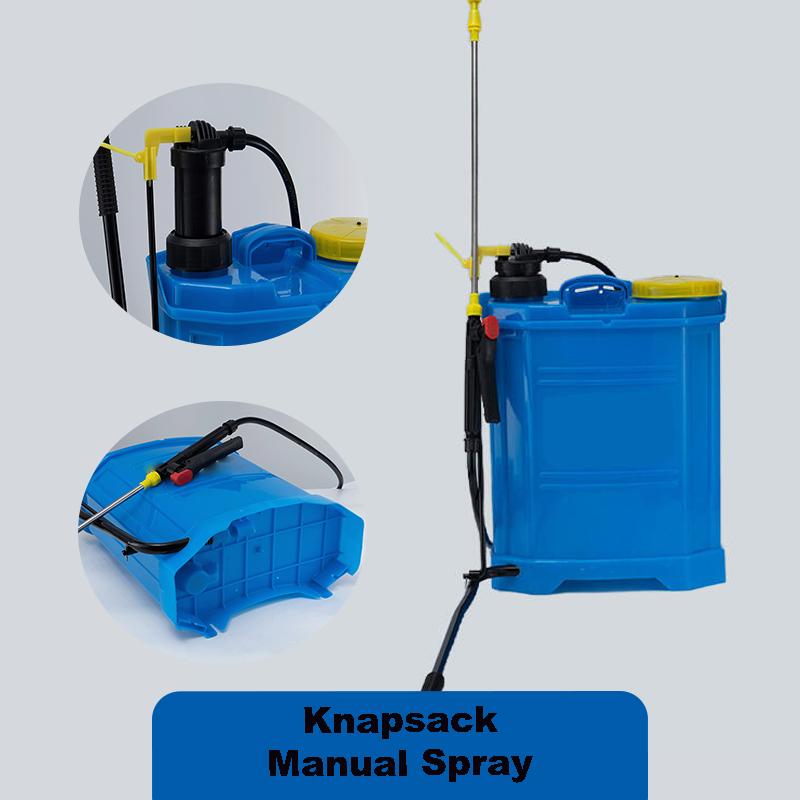
Top-rated models prioritize harness systems proven to reduce fatigue during long days of spraying. In an 8-hour field evaluation (2025), the highest-scoring units featured molded foam padding with breathable mesh, secure locking chest and hip straps, and intuitive one-handed adjustability—key features that earned top comfort ratings from testers applying treatments for over four continuous hours. Manual pump models with leak-proof tanks and simple maintenance remain popular for smaller operations, while battery-powered options from established manufacturers deliver consistent pressure without repetitive pumping—ideal for larger acreage. Across categories, the best-performing sprayers combine durable tank construction with customizable fit, keeping weight centered and reducing peak shoulder pressure to help operators maintain accurate nozzle control throughout extended shifts.
FAQs
Why are adjustable straps important for backpack sprayers?
Adjustable straps help evenly distribute the load's weight, reducing strain and preventing injuries in the shoulders, back, and hips. They allow customization for different body sizes, minimizing pressure points and improving posture.
What features should I look for in an ergonomic harness design?
Look for ventilated, molded foam padding to reduce heat and moisture buildup, a breathable mesh panel for comfort, and a padded hip belt to shift weight from shoulders to hips. Adjustable chest straps further stabilize the load.
How does a hip-centric harness reduce strain?
Hip-centric harnesses transfer much of the load's weight to the hips, where the body is naturally better equipped to bear it. This reduces lumbar compression and lessens the physical strain on shoulders and back during extended use.
Which materials are best for durable straps and locking mechanisms?
High-density polyethylene buckles and stainless-steel spring-loaded locks are ideal. These materials resist cracking under harsh conditions like farm chemicals, UV exposure, and dust while retaining long-term elasticity.
What are some top-rated backpack sprayer models for farm use?
Top-rated models feature molded foam padding, breathable straps, durable tanks, and one-handed adjustment systems. These sprayers often score highest for comfort and fatigue reduction during prolonged field use.
Table of Contents
- Why Adjustable-Strap Backpack Sprayers Reduce Physical Strain on Farm Workers
- Ergonomic Harness Design Features That Maximize Comfort in Backpack Sprayers
- How to Evaluate Adjustable Straps on Backpack Sprayers for Real-World Farm Conditions
- Top-Rated Adjustable-Strap Backpack Sprayers for Agricultural Use
- FAQs