
 EN
EN
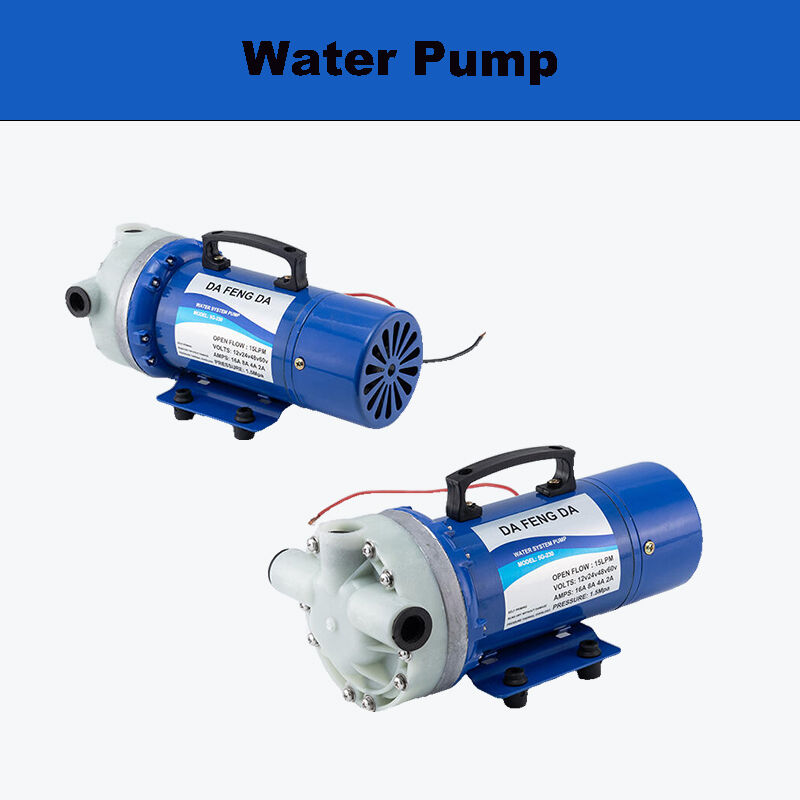
How Irrigation Pumps Enable Reliable Farmland Water Supply
Bridging the Gap: From Water Source to Root Zone via Pressure-Driven Conveyance
Pumps used in irrigation systems tackle the challenges of gravity and long distances by physically moving water out of sources like wells, rivers, and reservoirs. These machines create enough pressure to push water through various distribution methods such as drip tapes, sprinkler systems, or furrow irrigation, making sure crops get water exactly where their roots need it most. Farmers no longer have to rely solely on unpredictable rain or flat land conditions thanks to these systems. Contemporary irrigation setups keep water flowing evenly even when fields slope downwards, so there aren't patches of dry soil that hurt overall crop production. Essentially, what happens here is energy gets transformed into actual water movement power, allowing consistent moisture levels in the soil which is super important for seeds to sprout properly and plants to absorb nutrients effectively.
Climate Pressures Driving Adoption: Rising Dependence on Mechanized Irrigation Pumps
We're seeing erratic rainfall patterns and longer drought periods driving up demand for pumps around the world. According to FAO Agrimetrics data, farms dealing with seasonal water shortages have gone up about 23% from 2015 to 2022. Farmers are feeling the pinch too, with Ponemon Institute reporting average annual losses of around $740,000 per affected farm in their 2023 study. That's why many growers are turning to pressurized irrigation systems as a way to protect against these financial hits. Solar powered pump installations tell an interesting story too. These systems have exploded in popularity in areas without reliable electricity grids, growing at an astonishing 200% rate since 2020. Looking at specialty crop production, mechanized irrigation is now critical for roughly two thirds of operations growing things like almonds and berries where getting water just right makes all the difference in bottom line results.
Choosing the Right Irrigation Pump: Types, Performance, and Application Fit
Centrifugal, Submersible, Turbine, and Solar Irrigation Pumps – Strengths and Limitations
Centrifugal pumps are great for moving large amounts of water from surface sources such as rivers and ponds when the pressure needs aren't too high. They work well for flood irrigation setups where money matters most, but they struggle when dealing with thick fluids or situations where water needs to be lifted very far. Submersible pumps sit right down in the well itself, capable of pulling groundwater from over 100 feet below ground level while staying quiet during operation. The downside? Getting these bad boys out for maintenance means pulling the whole thing up which can be quite a job. Turbine pumps tackle those high pressure jobs needed for things like center pivot systems, but they need everything aligned just right and the water has to stay pretty clean to prevent damage over time. Solar powered irrigation pumps cut fuel expenses completely and slash carbon emissions around 70% versus traditional diesel models according to recent studies. Still worth noting though, farmers need backup batteries ready when clouds roll in since solar panels won't generate power otherwise.
| Pump Type | Best For | Limitations | Efficiency Range |
|---|---|---|---|
| Centrifugal | Shallow water, high flow | Poor suction lift | 60–80% |
| Submersible | Deep wells (>100 ft) | Complex repairs | 70–85% |
| Turbine | High-pressure systems | Sediment sensitivity | 75–90% |
| Solar | Off-grid, low OPEX | Intermittent output | 90–95%* |
| *With battery storage |
Matching Pump Type to Duty Point: Why Hydraulic Efficiency Curves Matter
When choosing an irrigation pump, it's essential to match its performance curve with what the system actually needs at any given moment. This means finding where the required flow rate (measured in gallons per minute) meets the total dynamic head (how much pressure is needed). Centrifugal pumps work best around the middle part of their curve, but they really struggle when there's not enough water flowing through them at high pressure situations. These pumps can lose anywhere from 20 to 30 percent efficiency under those conditions. On the other hand, submersible pumps tend to perform consistently well in deep well applications, though they end up wasting power if someone installs one that's too big for the job. Solar powered options change their output based on how bright the sun happens to be shining, which means most installations need variable frequency drives to adjust according to actual demand throughout the day. Getting this right matters because mismatched pumps eat up way too much electricity. According to Department of Energy research from last year, improper pump selection can drive up operating expenses by as much as forty percent while also affecting whether drip systems get enough pressure or sprinklers distribute water evenly across fields.
Critical Selection Factors for Optimal Irrigation Pump Performance
Water Source Depth, Elevation Gain, and Topography Impact on Pressure and Flow Requirements
The type of water source has a big impact on what kind of pump is needed for the job. When dealing with deep groundwater, submersible pumps are usually required since they can handle the vertical distance from below ground level. Surface water sources work better with centrifugal pumps most of the time. Changes in elevation between where water comes in and goes out really affect pressure needs too. For instance, every 10 feet that water has to go uphill adds about 4.3 pounds per square inch to what the system must deliver. If there's hilly terrain along the pipeline route, this creates extra friction losses that mean pumps need to be sized for around 15 to 30 percent more pressure compared to installations on flat ground. All these factors together help calculate something called Total Dynamic Head or TDH, which basically tells engineers exactly how much pumping power will actually be needed for real world conditions.
Crop-Specific Demand: Linking ETc Rates and Irrigation Scheduling to Pump Sizing
Getting pump sizes right really depends on understanding crop evapotranspiration rates, which basically measures how much water disappears from the soil plus what plants actually take in through their leaves. Take corn for instance, it needs about 0.30 inches of water each day when growing at its peak, but lettuce only asks for around 0.20 inches. Farmers need to time their irrigation systems so they match these natural cycles along with what's happening weather-wise in their area. When systems run under 80% capacity compared to peak needs, farmers can expect yields dropping by as much as 22%, according to recent studies from FAO back in 2023. On the flip side, if pumps are too big for what crops actually require during slower seasons, all that extra power just gets wasted. That's where variable frequency drives come into play, letting growers adjust flows based on different growth phases of their crops. This helps save water and electricity at the same time, though getting everyone to adopt these technologies remains a challenge across many farming communities.
Tangible Benefits of Modern Irrigation Pumps: Water, Energy, and Yield Outcomes
Water Conservation and Yield Stability Through Precision Flow Control
The latest irrigation pump technology allows farmers to deliver water exactly where it's needed, cutting down overall usage somewhere between 20% and 40% when compared to older systems. What this means in practice is less wasted water sitting on fields or evaporating before it can help crops grow, plus better control over how moist the soil stays. When plants get just enough water at the right times, especially during those crucial periods when they're developing, farmers see much more stable yields even when summer brings dry spells. Better quality produce becomes possible too, along with potential increases in what gets harvested from each acre. Many growers report seeing around a quarter more output simply because their fields stay properly hydrated throughout growing season, turning efficient water management into real money savings for their operations.
Energy Savings and ROI: VFDs, Solar Integration, and Fuel-Cost Thresholds
VFDs and solar powered pumps cut down on energy consumption because they adjust motor speeds based on actual needs at any given moment. This can lead to savings of around 40% on operating costs for many facilities. Integrating solar power means no more paying for fuel, and most installations start showing return on investment between three to five years if located where there's plenty of sunshine. The math changes when local diesel prices go above certain levels though. At those points, going hybrid or completely solar becomes not just smart but necessary from an economic standpoint. Beyond saving money, these systems also shrink environmental impact significantly. Companies adopting them find themselves better positioned financially over time since their energy usage adapts naturally to changing conditions rather than staying fixed regardless of what makes sense.
FAQ
What types of irrigation pumps are available?
There are several types of irrigation pumps including centrifugal, submersible, turbine, and solar powered pumps. Each has unique strengths and weaknesses suitable for different water sources and pressure needs.
How do pumps improve water usage on farms?
Pumps allow farmers to precisely control water distribution, reducing waste and improving soil moisture. This contributes to healthier crops and more stable yields.
Why are solar-powered pumps becoming popular?
Solar-powered pumps are becoming popular due to their low operating expenses and environmental benefits, especially in regions lacking reliable electricity infrastructure.
What factors affect pump selection for irrigation systems?
Factors such as water source depth, elevation gain, topography, and crop evapotranspiration rates are crucial when selecting an appropriate pump for irrigation systems.