
 EN
EN
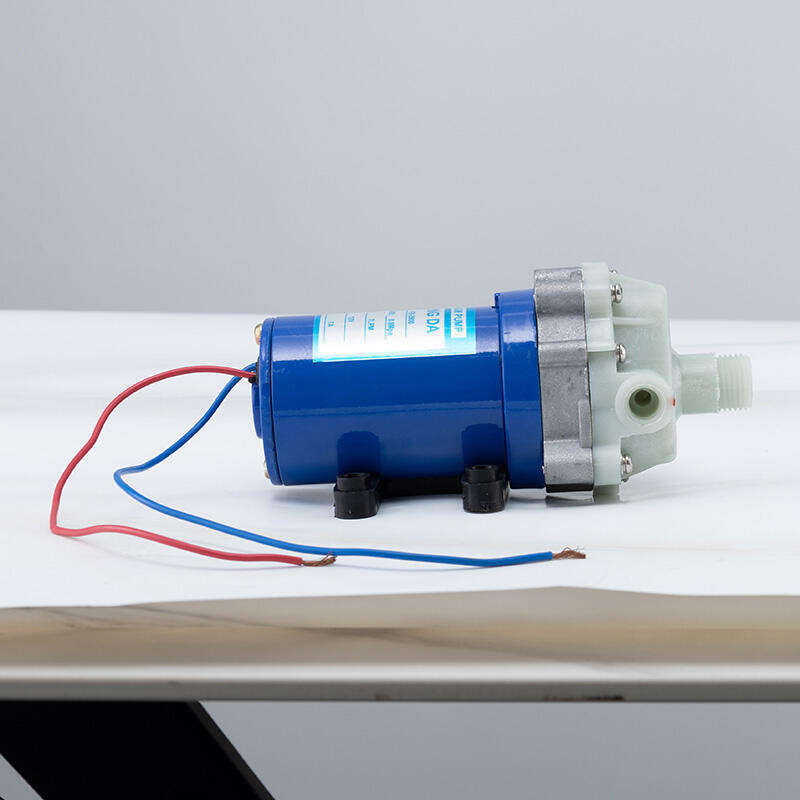
Aligning Industrial Water Pump Capacity with Farm Size and Irrigation Demand
Small-Scale Farms (<50 Acres): Prioritizing Energy Efficiency and Low-GPM Industrial Water Pumps
When it comes to small farms covering less than 50 acres, saving on energy is what really matters when picking out water pumps. The right choice here would be those low flow industrial pumps that handle between 50 and 200 gallons per minute. They work great for watering specialty crops or taking care of livestock needs while keeping power consumption down. Electricity costs actually make up around 40% of all running expenses according to recent data from AGQM's efficiency report in 2023. Compact centrifugal pumps equipped with permanent magnet motors along with variable frequency drives help cut down on wasted energy when operating at lower capacities. This setup can slash energy bills by nearly two thirds compared to regular pumps on the market today. What makes these pumps so effective is how they match exactly what drip irrigation systems or low pressure sprinklers need without having to install bigger equipment than necessary.
Medium-Scale Operations (50–500 Acres): Optimizing Flow Rate and Total Dynamic Head for Flexibility
Medium-scale farms require industrial water pumps that balance flow (300–800 GPM) and Total Dynamic Head (TDH) across variable conditions. Crop rotation, terrain slope, and pipeline length all influence system design-so flexibility is non-negotiable.
| Factor | Irrigation Impact | Technical Adjustment |
|---|---|---|
| Crop Rotation Needs | ±35% seasonal flow variance | Variable speed impellers |
| Sloped Terrain | 1 PSI pressure loss per 2.3 ft elevation gain | Multi-stage boosting |
| Pipeline Length | 5–15% friction loss in mains | Oversize volute casing |
Self-priming centrifugal pumps operating at 50–70 PSI deliver reliable performance across pivot irrigation, reservoir transfers, and multi-zone setups-without manual reconfiguration.
Large-Scale & Commercial Farms (>500 Acres): Deploying High-GPM, Multi-Stage Industrial Water Pumps
Most commercial farms depend on big industrial water pumps that can handle between 1,000 to 5,000 gallons per minute when running nonstop. The axial flow models typically have around 3 to 7 impeller stages which help them push water over head pressures above 200 feet. These pumps spread water throughout vast farmland areas while maintaining steady pressure levels around 80 PSI. Efficiency numbers stand at about 0.85 kilowatt hours per cubic meter, which actually beats single stage pumps by roughly 30 percent according to recent research from USDA's Water Technology division back in 2024. What makes these systems work so well? They come equipped with special alloys that resist corrosion from salty groundwater, plus they feature automatic priming systems that get things going quickly after any maintenance downtime. Farmers also appreciate the remote pressure sensors that warn operators before pumps start running dry during those busy irrigation periods when everyone needs water at once.
Key Technical Specifications That Define Industrial Water Pump Performance in Agriculture
Discharge Flow Rate (GPM) and Its Direct Link to Crop Water Requirements
Discharge flow rate-measured in gallons per minute (GPM)-directly determines whether irrigation meets crop evapotranspiration (ET) demands. Most field crops require 0.5–1.5 inches of water weekly, translating to site-specific GPM needs based on acreage, soil infiltration rates, and local climate data. For example:
| Farm Size | Daily Water Needs | Minimum Pump GPM |
|---|---|---|
| 50 acres | 15,000 gallons | 10–15 GPM |
| 200 acres | 60,000 gallons | 40–60 GPM |
Undersized pumps induce drought stress during critical growth windows; oversized units waste energy-costing the sector an estimated $740k annually in avoidable electricity use (Irrigation Association 2023). Always calibrate GPM to verified ET data from state agricultural extension services.
Total Dynamic Head (TDH): Calculating Elevation Gain, Friction Loss, and System Pressure
TDH represents the total resistance a pump must overcome-and it's the cornerstone of accurate sizing. It combines three components:
- Elevation gain: Vertical lift from water source to highest outlet
- Friction loss: Resistance from pipe length, diameter, material, and flow velocity
- Operating pressure: Required PSI at the emitter (e.g., 20–80 PSI for drip or pivots)
To calculate TDH in feet:
TDH = Elevation Gain (ft) + Friction Loss (ft) + (Pressure Requirement · 2.31)
Note: Every 2.31 PSI equals 1 foot of head-a critical conversion for sloped terrain. Systems with undersized piping may require 18–25% higher TDH capacity to offset turbulent flow losses and maintain delivery pressure.
Selecting the Optimal Industrial Water Pump Type by Farm Infrastructure and Environment
Centrifugal, Submersible, and Vertical Turbine Pumps: Matching Design to Well Depth, Soil Conditions, and Duty Cycle
Pump type must align with site-specific infrastructure and environmental constraints-not just capacity.
- Centrifugal pumps excel in shallow applications (<25 ft), particularly where water sources are low in sediment and irrigation is intermittent. They're cost-effective for sandy-loam soils and small-scale center-pivot or drip systems.
- Submersible pumps operate efficiently at depths beyond 400 ft-ideal for deep wells in geologically complex areas with high sediment loads. Their sealed motor design prevents abrasive wear, extending service life in challenging aquifers.
- Vertical turbine pumps are engineered for ultra-deep installations (>800 ft), using multistage impellers to sustain pressure across extreme elevation gains. Their ceramic bearings and integrated thermal protection make them optimal for continuous-duty center-pivot systems.
Duty cycle and soil abrasiveness further refine selection: farms with crop rotations enabling scheduled pump downtime can leverage more economical centrifugal units, while silica-rich soils demand hardened stainless steel components-extending service life two to three times over standard cast iron.
FAQ Section
What is Total Dynamic Head (TDH) and why is it important?
Total Dynamic Head (TDH) is a measurement of the total resistance a pump must overcome. It includes elevation gain, friction loss, and operating pressure. Understanding TDH is crucial for accurately sizing pumps for specific farm requirements.
How do I choose the right industrial water pump for my farm?
The right pump depends on various factors, including farm size, irrigation demands, well depth, and soil conditions. Analyze your needs based on discharge flow rate, TDH requirements, and environmental constraints to select the optimal pump type and specifications.
What are common energy-saving features in industrial water pumps?
Energy-saving features in industrial water pumps include variable frequency drives, permanent magnet motors, and efficient multi-stage impeller designs. These help reduce power consumption and operational costs significantly.