
 EN
EN
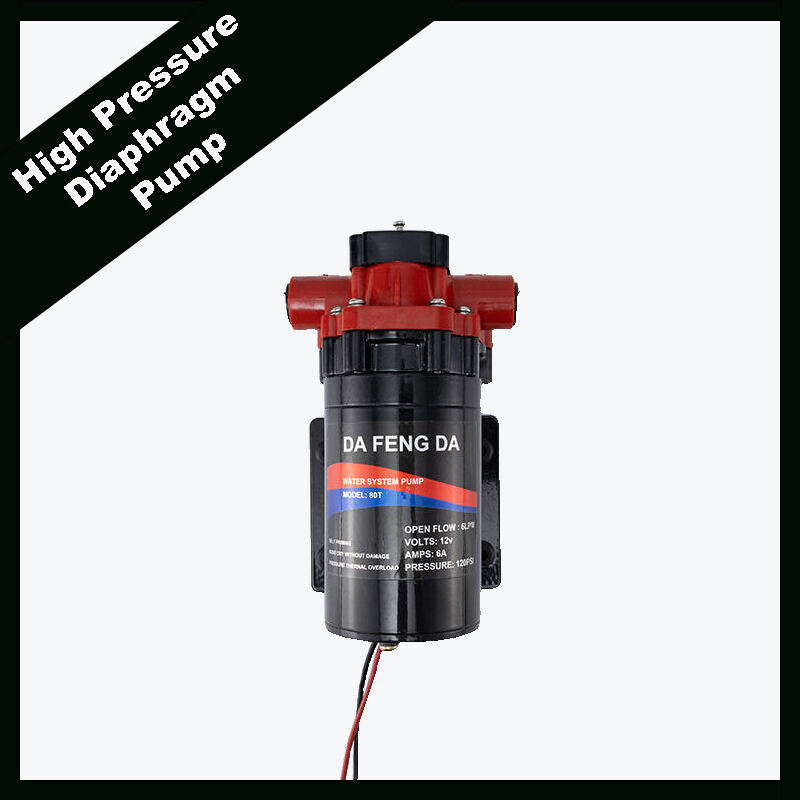
The Hydraulic Foundation: How Sprayer Pump Performance Dictates Nozzle Functionality
Proper sprayer pump selection is the hydraulic backbone of efficient farm spraying. Mismatched pump-nozzle combinations trigger three critical failures: drift (from improper pressure creating fine droplets), clogging (when flow rates exceed nozzle capacity), and inadequate coverage (due to pressure drops across long booms). For example, using a high-flow centrifugal pump with fine-orifice nozzles causes pressure surges that fracture droplets into drift-prone particles.
Why Mismatched Sprayer Pump and Nozzle Pairs Cause Drift, Clogging, or Inadequate Coverage
Drift occurs when pumps exceed a nozzle’s pressure threshold, atomizing droplets below 150 microns. Clogging arises from flow-rate mismatches—positive displacement pumps pushing 8 GPM through nozzles rated for 5 GPM overwhelm filters. Inadequate coverage stems from pressure drops below 15 PSI at boom ends, starving nozzles. A 2023 ASABE study found 68% of crop sprayers operate with pressure variances exceeding ±10%, wasting 29% of chemicals through drift or gaps.
The Hydraulic Triangle: Pressure, Flow Rate, and Nozzle Orifice Size Interdependence
Sprayer pump performance hinges on balancing three variables:
- Pressure (PSI): Dictates droplet size. Turbo TeeJet nozzles require 40–60 PSI for coarse sprays, while air-induction models need 15–30 PSI.
- Flow Rate (GPM): Must match total nozzle demand. A 30-nozzle setup requiring 0.2 GPM each needs a 6 GPM pump minimum.
- Orifice Size: Determines flow capacity. A #04 orifice handles 0.4 GPM at 40 PSI; undersizing causes pressure spikes.
| Variable | Impact of Increase | Nozzle Limitation |
|---|---|---|
| Pressure | Finer droplets | Wear acceleration |
| Flow Rate | Wider coverage | Clogging risk |
| Orifice Size | Higher throughput | Drift potential |
Exceeding nozzle specifications by 20% pressure or flow degrades spray quality by 37% (ASABE S572.1, 2023). Always size pumps to nozzle specs—not vice versa.
Calculating Optimal Sprayer Pump Capacity for Your Nozzle Setup
Step-by-Step Flow Demand Calculation: Total Nozzle Output + Agitation + 20% Safety Margin
Accurate sprayer pump sizing begins with calculating total system flow demand (GPM). Start by summing the output of all nozzles at operating pressure—for example, 40 nozzles with 0.045 GPM each require 1.8 GPM. Add flow for hydraulic agitation (typically 5–10% of total nozzle flow) and a 20% safety margin to prevent pressure drops during operation. This buffer compensates for nozzle wear, elevation changes, and line friction. An undersized pump causes inadequate coverage and droplet size inflation, increasing drift risk by up to 30%.
Matching Pressure Requirements Across Nozzle Types (e.g., XR11004 vs. AI11004)
Different nozzle designs demand specific pressure ranges to maintain spray quality. XR11004 flat-fan nozzles require 30–60 PSI for optimal droplet spectrum, while AI11004 air-induction nozzles perform best at 15–45 PSI due to their venturi design. Exceeding pressure limits causes fine droplets (increasing drift) or coarse spray (reducing coverage). Verify pump pressure stability across all nozzles—a 10 PSI drop at any point indicates pump mismatch. For mixed nozzle setups, select a sprayer pump maintaining pressure within ±5% of target at calculated flow rates.
Selecting the Right Sprayer Pump by Application and Nozzle Configuration
Diaphragm vs. Roller-Vane vs. Variable-Flow Piston Pumps: Trade-offs in Orchards, Row Crops, and Broadcast Spraying
Choosing the optimal sprayer pump requires matching hydraulic characteristics to both nozzle configurations and field conditions. For orchard spraying with tall canopy penetration needs, diaphragm pumps deliver reliable 30–40 bar pressure ranges essential for air-induction nozzles while resisting chemical abrasion from compounds like copper sulfate. Roller-vane pumps offer cost-effective solutions for row-crop applications where moderate pressure (15–25 bar) suffices for flat-fan nozzles, though their susceptibility to wear with abrasive mixtures necessitates frequent maintenance. Variable-flow piston pumps excel in broadcast scenarios through their ability to maintain consistent droplet spectra during rate changes—critical when switching between pre-emergent herbicides and fungicides mid-operation. Key trade-offs include:
- Durability: Diaphragm handles abrasives best; roller-vane requires clean fluids
- Pressure stability: Piston maintains ±5% variance during flow shifts
- Operational cost: Roller-vane has lower upfront cost but higher lifetime maintenance
Broadcast applications using turbo drift-reduction nozzles particularly benefit from piston pumps' instantaneous response to flow demands, preventing pressure drops that cause droplet spectrum drift.
Nozzle-Driven Pump Demands: Droplet Size, Spray Quality, and System Stability
How Air-Induction and Turbo Spray Nozzles Increase Flow Variability and Pressure Sensitivity
Specialized spray nozzles like air-induction and turbo designs directly impact sprayer pump stability by altering hydraulic dynamics. Air-induction nozzles inject air into liquid streams to create drift-resistant coarse droplets—a process demanding consistent pump pressure. When pressure drops below 30 PSI (commonly required for activation), droplet size variation increases by up to 50%, causing uneven coverage. Turbo nozzles introduce rotational turbulence that amplifies flow-rate sensitivity; pressure fluctuations exceeding 10% from optimal levels disrupt spray patterns significantly. Maintaining steady operation requires sprayer pumps with responsive pressure control mechanisms to counteract these inherent instabilities.
ASABE S572.1 Droplet Spectrum Classes and Their Minimum/Maximum Sprayer Pump Pressure Requirements
The ASABE S572.1 standard defines droplet size classifications from “Very Fine” to “Ultra Coarse,” each requiring specific sprayer pump pressure ranges for optimal performance. For example:
- Fine droplets (Class F): Require 40–60 PSI for uniform coverage but increase drift risk
- Coarse droplets (Class C): Operate best at 20–40 PSI, balancing drift reduction and coverage
- Ultra Coarse droplets (Class UC): Need 15–30 PSI for maximum deposition efficiency
Exceeding maximum pressures (70+ PSI for Fine classes) causes premature nozzle wear and inconsistent droplet spectra, while falling below minimum thresholds creates unacceptable spray quality variations. Proper pump calibration ensures pressure stays within these science-defined bands.
Frequently Asked Questions
What happens if the sprayer pump is too powerful for the nozzles?
If a pump is too powerful, it can cause excessive pressure, leading to drift due to the formation of finer droplets, clogging, and inadequate coverage.
Why does nozzle orifice size matter in sprayer systems?
The orifice size determines the flow capacity and impacts the overall hydraulic performance of the sprayer. It also influences the droplet size and potential for drift.
How can I ensure the right pressure stability across all nozzles?
To maintain pressure stability, choose a pump that maintains pressure within ±5% of the desired range for your specific nozzle setup and regularly check for pressure drops across the boom.
Table of Contents
- The Hydraulic Foundation: How Sprayer Pump Performance Dictates Nozzle Functionality
- Calculating Optimal Sprayer Pump Capacity for Your Nozzle Setup
- Selecting the Right Sprayer Pump by Application and Nozzle Configuration
- Nozzle-Driven Pump Demands: Droplet Size, Spray Quality, and System Stability
- Frequently Asked Questions