
 EN
EN
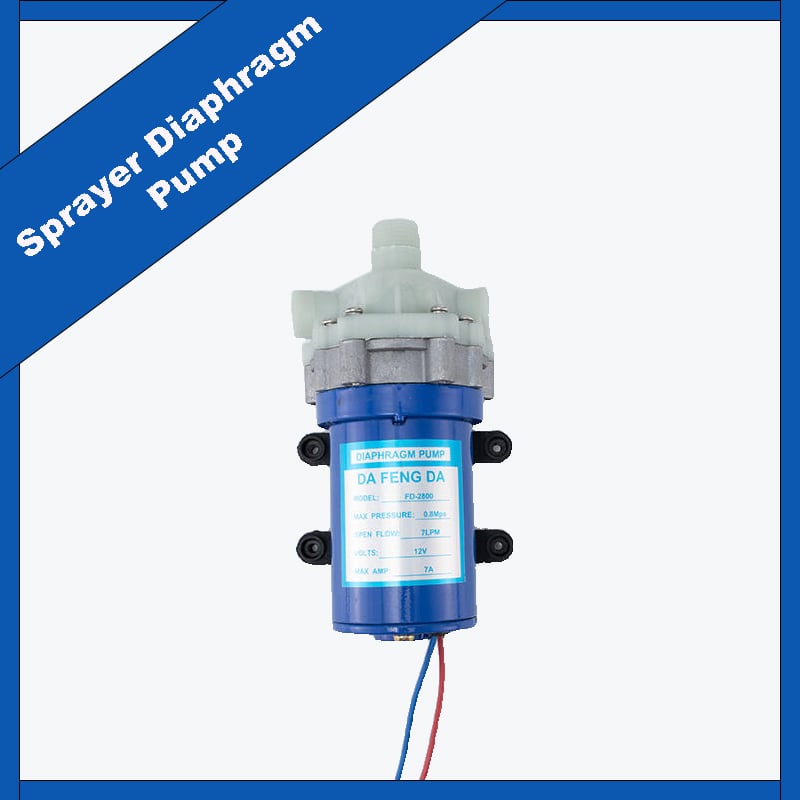
Understanding Corrosivity Drivers in Agricultural Chemicals
pH Extremes, Oxidizing Agents, and Halides: The Core Corrosion Mechanisms
Agricultural chemicals create a highly aggressive environment for pump components. Strong acids—such as sulfuric or phosphoric acid used in fertigation—rapidly attack unprotected metals by dissolving passive oxide layers. Alkaline solutions like sodium hydroxide degrade non-fluorinated elastomers and plastics through hydrolysis. Oxidizing agents—including chlorine and hydrogen peroxide—accelerate corrosion by stripping electrons from metal surfaces, causing uniform thinning or localized pitting. Halides, especially chloride ions common in fertilizers and some herbicides, are particularly hazardous: they penetrate protective films and trigger stress corrosion cracking in stainless steels. Temperature amplifies these effects—every 10 °C rise roughly doubles reaction rates—while fluid velocity and turbulence strip away corrosion-inhibiting boundary layers, exposing fresh metal to attack. Recognizing how these drivers interact is essential before selecting pump materials.
High‑Risk Ag Chemicals: Glyphosate, Paraquat, Acetic Acid, and Alkaline Lime Suspensions
Certain agricultural chemicals demand heightened material scrutiny. Glyphosate formulations often contain surfactants and salts that lower pH to 4–5, making them moderately corrosive to carbon steel. Paraquat, a potent oxidizer, rapidly degrades many common elastomers and thermoplastics. Acetic acid—used as a natural herbicide—is highly aggressive toward polypropylene and aluminum above 10% concentration. Alkaline lime suspensions (calcium hydroxide) combine high pH with abrasiveness, eroding seals and impellers while promoting caustic cracking in ductile iron. Because real-world exposure involves mixing with water, solar heating, and mechanical agitation, field corrosion rates frequently exceed laboratory predictions. Operators must verify compatibility for each active ingredient and its carrier solvent—not just rely on generic chemical family classifications.
Chemical Pump Material Compatibility: Matching Resin and Metal to Corrosive Load
PTFE, PVDF, Polypropylene, and 316 Stainless Steel—Performance Under Acidic and Alkaline Conditions
Selecting pump materials requires matching resin or metal performance to the specific chemical environment. PTFE offers exceptional resistance to strong acids like sulfuric and acetic but weakens under strong oxidizers and concentrated alkalis due to stress corrosion. PVDF delivers excellent acid resistance and tolerates chlorinated solvents, though it’s susceptible to stress cracking when exposed to amines. Polypropylene provides economical resistance to caustics like sodium hydroxide but dissolves in aromatic hydrocarbons and performs poorly against most acids. Grade 316 stainless steel resists alkalis effectively but suffers rapid pitting in halide-rich environments—and its acid resistance varies significantly depending on concentration and temperature.
| Material | Acid Resistance (e.g., Sulfuric, Acetic) | Alkali Resistance (e.g., Sodium Hydroxide) | Halide Sensitivity |
|---|---|---|---|
| PTFE | Excellent | Poor (Stress corrosion) | Good |
| PVDF | Excellent | Moderate | Moderate |
| Polypropylene | Poor | Excellent | Good |
| 316 Stainless | Moderate to Poor (varies by acid) | Excellent | Poor (Pitting) |
Why Compatibility Charts Fail: Real-World Degradation from Thermal Cycling, Abrasion, and Intermittent Exposure
Compatibility charts—often based on static immersion tests—fail to reflect agricultural operating conditions. They ignore synergistic stressors that accelerate degradation. For example, thermal cycling causes PTFE liners to expand and contract, generating micro-fractures in anhydrous ammonia systems. Abrasive lime suspensions scour polypropylene impellers, reducing critical cross-sectional thickness within months. Combined corrosion-abrasion multiplies wear rates beyond what either factor would cause alone. Intermittent exposure to oxidizing herbicides induces chemical fatigue in PVDF, initiating cracks even at nominal concentrations. Field validation under actual duty cycles—including temperature swings, solids loading, and start-stop operation—provides far more reliable performance data than standardized compatibility tables.
Chemical Pump Type Selection: Sealing Integrity, Duty Cycle, and Corrosion-Abrasion Synergy
Diaphragm Pumps vs. Magnetic Drive vs. Centrifugal: Leak Prevention and Long-Term Reliability with Corrosive Fluids
Pump type selection directly influences safety, maintenance frequency, and total cost of ownership in corrosive agricultural applications. Three dominant designs—diaphragm, magnetic drive, and centrifugal—offer distinct trade-offs:
| Chemical Pump Type | Sealing Leakage Protection | Limitations with Abrasive Chemicals |
|---|---|---|
| Diaphragm Pumps | Zero dynamic seals; PTFE diaphragms eliminate fluid escape pathways | Diaphragm life drops sharply with slurries containing lime or wettable powders |
| Magnetic Drive Pumps | Seal-less design prevents leaks in volatile or toxic services (e.g., paraquat) | Solids clog internal clearances; abrasive particles induce rotor imbalance and failure |
| Centrifugal Pumps | Protected seal chambers and flush systems extend mechanical seal life | Slurries accelerate impeller and volute erosion; corrosion-abrasion synergy reduces service life by up to 40% |
Diaphragm pumps eliminate rotating seals entirely, using flexible PTFE or elastomeric diaphragms to isolate process fluid—making them ideal for handling volatile or regulated herbicides like paraquat. However, their corrosion resilience is offset by mechanical vulnerability: suspended solids in lime or pesticide slurries abrade diaphragms and valves, shortening mean time between failures.
Magnetic drive pumps use hermetically sealed magnetic couplings to transmit torque without shaft penetration—eliminating leak paths—but require stringent filtration to prevent solids-induced rotor imbalance and bearing damage.
Centrifugal pumps rely on mechanical seals backed by flush systems to protect rotating components. When properly specified for compatible chemistries, they deliver high efficiency and reliability. Yet in agriculture—where slurries are routine—their impellers and volutes suffer accelerated dual degradation: electrochemical corrosion plus mechanical abrasion. Field data consistently shows this synergy cuts operational life by nearly half compared to clean-fluid service.
Critical Operational Factors That Define Chemical Pump Longevity in Agriculture
The service life of a chemical pump in agricultural applications hinges on several interdependent operational factors beyond initial material selection. Proper installation—including precise alignment, optimized piping layout, and stable foundation support—prevents vibration and mechanical stress that compound chemical wear. Routine preventive maintenance is equally critical: regular inspection of seals, gaskets, and valves for signs of chemical swelling or cracking; timely lubrication of bearings; and cleaning of internal passages to remove crystallized fertilizer residues. Operating parameters must remain within design limits—sustained operation at elevated temperatures or near cavitation thresholds rapidly degrades both wetted parts and mechanical seals. Frequent starts and stops introduce thermal and pressure cycling that reduce fatigue life, especially in lined or composite components. By implementing a structured maintenance schedule and monitoring key performance indicators—such as flow consistency, seal leakage, and power draw—operators can reliably extend pump service life well beyond the typical 10-year baseline expected in corrosive agrochemical service.
FAQs
What materials are best for handling strong acids in agricultural chemicals?
PTFE and PVDF are excellent choices for handling strong acids like sulfuric and acetic acid, as they offer high chemical resistance in such environments.
What is the main corrosion risk associated with halides in agricultural chemicals?
Halides, particularly chloride ions, can penetrate protective films and cause stress corrosion cracking in materials like stainless steel.
Are compatibility charts reliable for chemical pump selection?
While compatibility charts provide a starting point, they often fail to reflect real-world conditions, such as thermal cycling, abrasion, and intermittent exposure, which can accelerate material degradation.
How can I extend the lifespan of a chemical pump in agriculture?
Ensuring proper installation, routine maintenance, and monitoring of operating parameters can significantly extend a pump's service life. Adhering to design limits, such as temperature and pressure, and implementing preventive checks are key factors.
Which pump types are ideal for handling corrosive fluids in agriculture?
Diaphragm pumps are excellent for volatile or toxic chemicals, magnetic drive pumps eliminate leak paths, and centrifugal pumps work well in clean-fluid applications but may degrade faster in slurry environments.
Table of Contents
- Understanding Corrosivity Drivers in Agricultural Chemicals
- Chemical Pump Material Compatibility: Matching Resin and Metal to Corrosive Load
- Chemical Pump Type Selection: Sealing Integrity, Duty Cycle, and Corrosion-Abrasion Synergy
- Critical Operational Factors That Define Chemical Pump Longevity in Agriculture
- FAQs