
 EN
EN
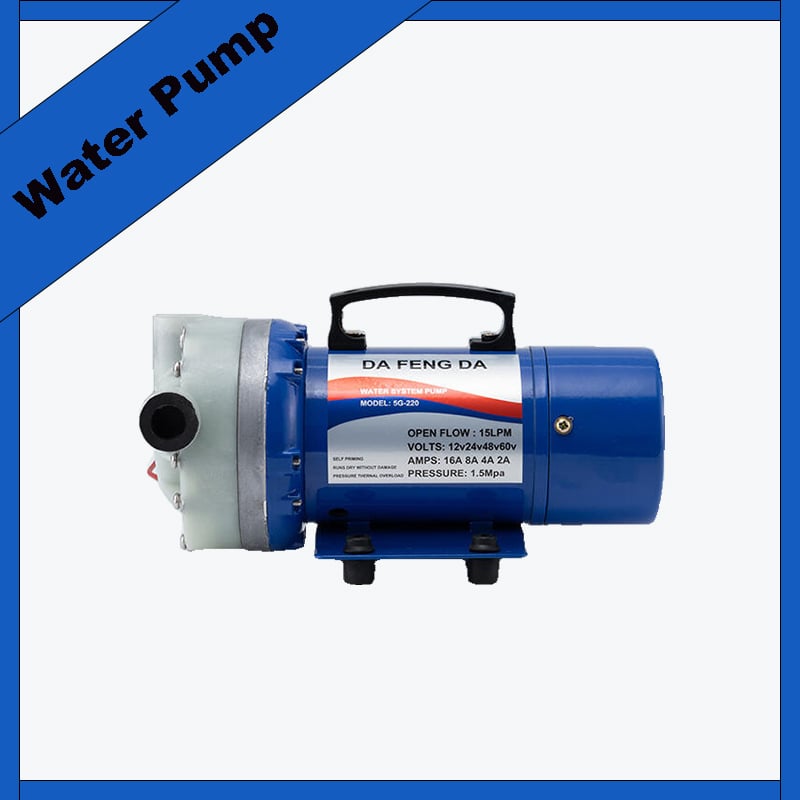
Determine If a Booster Pump Is Needed Based on Pipeline Pressure Analysis
Measuring Static and Dynamic Pressure at the Farm Intake Point
The first step is to measure pressure at the farm’s main water intake point under two conditions: static (no water flowing) and dynamic (typical flow running). Use a calibrated pressure gauge attached to a hose bib or test port near the intake. For static pressure, close all valves downstream and record the reading. Then, open one or more irrigation zones to simulate normal operation and note the dynamic pressure. A drop of more than 10–15% between static and dynamic readings often indicates significant friction loss or undersized supply lines. In many rural systems, static pressure may appear acceptable (e.g., 40–50 PSI), but dynamic pressure can fall below 20 PSI once multiple sprinklers or drip zones run simultaneously—a clear sign the existing pipeline cannot deliver adequate pressure under load.
Comparing Measured Pressure Against Minimum Irrigation System Requirements
Once you have dynamic pressure data, compare it against the minimum pressure demands of your irrigation equipment. Drip systems typically need 15–30 PSI, sprinklers 30–50 PSI, and center-pivot systems often require 40–60 PSI. If your measured dynamic pressure falls below the lower threshold for your primary irrigation method, a booster pump is necessary to maintain uniform water distribution and prevent emitter clogging or poor coverage. For example, if a drip tape system requires 20 PSI but your dynamic pressure is only 12 PSI, the pressure deficiency is 8 PSI—requiring targeted boosting. Consider future expansion too: building in a small pressure buffer (e.g., 10% above current need) reduces the risk of retrofitting later. Only after this comparison can you confidently decide whether a booster pump is justified.
Calculate Total Dynamic Head to Size the Booster Pump Accurately
Accounting for Elevation Gain, Friction Loss, and End-Use Pressure Needs
Total Dynamic Head (TDH) represents the total pressure your booster pump must overcome to deliver adequate water to endpoint irrigation components. TDH calculation requires quantifying three primary factors: elevation difference between water source and highest outlet (static head), resistance from pipe walls and fittings (friction head loss), and minimum pressure required by sprinklers or drippers (end-use pressure). For accurate sizing, farmers must calculate TDH = Static Head + Friction Head Loss + Measured End-Pressure. Friction losses escalate significantly in agricultural systems moving large volumes—averaging 10–15 psi per 100 feet of pipeline—necessitating meticulous measurement. Ignoring any component risks selecting an undersized booster pump that cannot overcome peak demand.
Selecting the Right Hydraulic Calculation Method for Agricultural Pipelines
Choosing an industry-accepted calculation approach streamlines pipeline friction loss estimates. Gravity-powered irrigation may utilize simpler empirical formulas, whereas high-flow pressurized farm pipeline design requires advanced methods like Hazen-Williams or Darcy-Weisbach equations. The Hazen-Williams model remains prevalent for agricultural applications due to its proven accuracy in predicting friction for common piping materials like PVC under steady operating conditions. Calculations must account for pipe diameter, length, material roughness, and flow velocities exceeding 5 fps to prevent underestimation. Professional hydraulic modeling software validates manual results when designing complex distribution networks spanning multiple zones.
Match Booster Pump Performance Curves to Farm Irrigation Demand Profiles
After calculating the total dynamic head, the next step is to match the booster pump’s performance curve to the irrigation system’s demand profile. Every pump has a characteristic curve showing the relationship between flow rate and head. The goal is to select a pump whose best efficiency point (BEP) aligns with the most common operating conditions on the farm. For example, if a drip system needs a steady 40 PSI at 50 GPM, the pump should deliver that head at that flow without being forced to the far ends of its curve. Oversizing a booster pump wastes energy and shortens equipment life, while undersizing leads to low pressure in distant zones. Ideally, the pump operates within 70–110% of its BEP across the entire irrigation cycle. Consider how demand changes: multiple zones running, or a single zone, can shift the flow requirement. A pump that maintains stable head over a wide flow range is especially valuable for farms with varied crop water needs. By matching the curve to actual pressure and flow data, you avoid costly inefficiencies and ensure uniform water distribution—even to the farthest sprinkler or dripper.
Optimize Long-Term Operation with Energy-Efficient Booster Pump Controls
Beyond correct sizing, energy-efficient booster pump controls significantly elevate operational sustainability. Where heads fluctuate daily—due to varying irrigation demands—traditional on/off systems cycle both flow and pressure. Such cycling wastes energy while stressing pipeline integrity. Modern solutions leverage variable-frequency drive controllers (VFDs) instead.
Benefits of Variable Frequency Drives for Variable Flow and Pressure Demands
Precision control via VFDs allows pumps to match hydraulic output to irrigation demand profiles throughout the day—whether influencing the farm water supply pipeline pressure needed for pivots or drip zones. Instead of throttling valves artificially increasing head—wasting up to 65% energy in throttling loss—VFDs synchronize motor speed with real-time pressure monitoring. The mechanism replaces mechanical buildup with smarter electronic adjustment—targeting pump operation closer to its Best Efficiency Point (BEP) curve consistently. Furthermore, soft starting/stopping reduces pressure surges, extending mechanical longevity and stabilizing your farm's water delivery system operation.
Streamlining operation via VFD controllers results in substantial long-term savings: research indicates 58–68% energy reduction compared to constant-speed systems—translating directly into lower expenditure on pumping repairs and electricity over similar lifecycle periods. Sustained performance requires vigilance; improper maintenance may degrade efficiency by 25%, emphasizing the necessity of consistent upkeep to maintain your optimized agricultural water pressure performance infrastructure. Adoption transforms energy expenditure while aligning with progressive environmental stewardship goals systematically improving farm resource management practices.
FAQs
How can I measure static and dynamic pressure for pipeline analysis?
You can measure static pressure by attaching a calibrated gauge to your water intake and closing valves downstream. Dynamic pressure can be measured by opening irrigation zones to simulate normal operation and noting the pressure drop.
What irrigation system pressure ranges typically require a booster pump?
Drip systems usually need 15–30 PSI, sprinklers 30–50 PSI, and center-pivot systems require 40–60 PSI. If your dynamic pressure is below these values, a booster pump may be necessary.
How do I calculate Total Dynamic Head (TDH) for my booster pump?
TDH is calculated as the sum of static head (elevation gain), friction head loss (pipe resistance), and end-use pressure (minimum pressure for irrigation components).
What is the importance of matching booster pump curves to demand profiles?
Matching ensures the pump operates efficiently across common conditions, avoids oversizing or undersizing, and provides consistent irrigation pressure.
Why are Variable Frequency Drives (VFDs) critical for booster pump controls?
VFDs provide precision control, reduce energy waste, extend equipment life, and lower maintenance costs by synchronizing pump output with real-time irrigation demand.
Table of Contents
- Determine If a Booster Pump Is Needed Based on Pipeline Pressure Analysis
- Calculate Total Dynamic Head to Size the Booster Pump Accurately
- Match Booster Pump Performance Curves to Farm Irrigation Demand Profiles
- Optimize Long-Term Operation with Energy-Efficient Booster Pump Controls
-
FAQs
- How can I measure static and dynamic pressure for pipeline analysis?
- What irrigation system pressure ranges typically require a booster pump?
- How do I calculate Total Dynamic Head (TDH) for my booster pump?
- What is the importance of matching booster pump curves to demand profiles?
- Why are Variable Frequency Drives (VFDs) critical for booster pump controls?