
 EN
EN
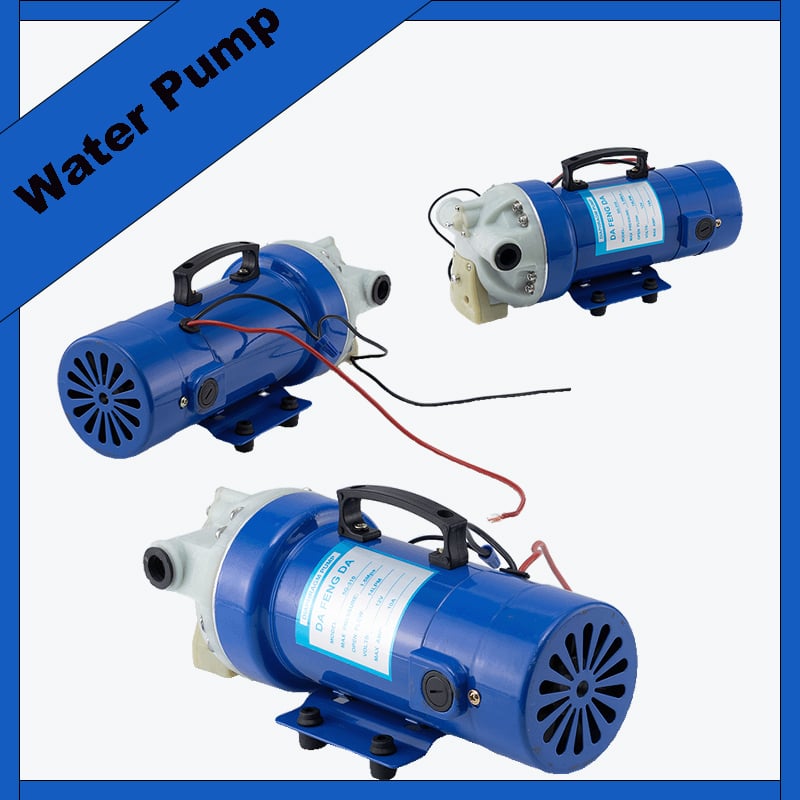
Why Car Wash Pumps Excel in Farm Vehicle Cleaning
Abrasive Water Challenges: Grit, Mud, and Recycled Runoff on Farms
Farms commonly draw wash water from ponds, shallow wells, or recirculated runoff—fluids laden with sand, silt, and decaying organic matter. This abrasive mixture acts like a low-speed grinding paste inside conventional pressure-washer pumps, rapidly scoring valve seats and compromising shaft seals. Car wash pumps are engineered for exactly this challenge: abrasive loading isn’t an exception—it’s a core design assumption. Features like hardened ceramic plungers, stainless-steel check assemblies, and heat-treated wear plates resist scoring that would seize standard alloy pump heads. Field data from multiple farm equipment fleets shows commodity pumps often fail within 300–500 hours under gritty conditions, while purpose-built car wash pumps regularly exceed 2,000 hours before requiring only a minor seal kit. This durability sustains consistent spray pressure (1,000–2,500 PSI), essential for removing caked mud from combine tracks and harrow bars—preserving cleaning speed across the fleet without costly downtime or rebuilds.
Seal‑less and Plunger Designs: Built for Solids‑Handling Reliability
Reliability in farm vehicle cleaning hinges on how well the pump isolates its power end from abrasive slurry. Car wash pumps overwhelmingly use plunger configurations where high-pressure seals sit outside the fluid chamber—physically shielded from direct contact with silt and mud. Only the hardened plunger surface contacts solids, resisting grooving over thousands of strokes. For operations handling liquid manure or heavily sedimented pond water, seal-less magnetic-drive variants offer a robust alternative: torque transfers via magnetic coupling, eliminating the dynamic shaft seal—the single most common leak point in mechanically sealed centrifugal designs. Farmers who’ve transitioned from packing-gland pumps to plunger or seal-less car wash pumps report completing full harvest-season washdown cycles with zero crankcase water intrusion and no midday seal replacements. These designs also safely handle water from settling basins containing fine suspended solids—protecting internal components while supporting compliance with environmental restrictions on wash-water discharge.
Car Wash Pumps Adapted for Small-Scale Irrigation
Low-Pressure, High-Flow Performance Meets Micro-Irrigation Demands
Car wash pumps are inherently positive-displacement units—delivering steady flow regardless of downstream pressure fluctuations. That stability makes them unexpectedly well-suited for micro-irrigation. With a simple pressure-regulating bypass, the same pump used to blast mud off machinery can be tuned to deliver 20–60 PSI and 8–15 GPM—precisely matching the gentle, consistent output required by drip tape and micro-sprinklers. Their plunger architecture handles sediment-laden pond or canal water without clogging, solving a persistent pain point for smallholder farmers. As the Food and Agriculture Organization notes, smart pairing of appropriate pumping technology with small-scale irrigation systems can significantly raise crop productivity on rainfed land. For many growers, reconfiguring a car wash pump offers a lower-cost entry into reliable micro-irrigation—bypassing the need for dedicated agricultural pumps while still delivering the high flow young crops demand during peak heat.
Real-World Validation: Flow Rate and PSI Alignment with Drip and Sprinkler Systems
Field data confirms car wash pumps align closely with the operating windows of common low-pressure irrigation components—once properly bypass-tuned.
| Irrigation Component | Required PSI | Required Flow (GPM) | Car Wash Pump Output (bypass setting) |
|---|---|---|---|
| Drip tape (200 emitters) | 15–25 | 2–4 | 10 GPM at 25 PSI (with inline regulator) |
| Micro-sprinklers (2 heads) | 30–50 | 6–10 | 10 GPM at 40 PSI |
| Impact sprinkler (1 head) | 30–60 | 5–8 | 10 GPM at 40 PSI |
A 5.5 HP car wash pump throttled to 40 PSI typically sustains 10 GPM—enough to irrigate a quarter-acre drip zone or run two sprinklers simultaneously. Farmers using these setups report stable four-hour daily operation throughout the growing season, aided by the pump’s built-in thermal bypass that prevents overheating. This real-world performance eliminates the need to maintain separate machines for washing and watering—reducing both capital investment and ongoing maintenance labor.
Durability Benchmarks: Car Wash Pumps in Agricultural Slurry and Wastewater
Beyond Marketing: What 'Car Wash Rated' Really Means for Farm Slurry Applications
A “car wash rated” label often implies corrosion-resistant seals and some grit tolerance—but farm slurry demands far more. Manure, sand, and chemical fertilizers create an acidic, abrasive medium that rapidly degrades ordinary water pumps. To earn that rating in agriculture, a pump must include hardened stainless-steel or reinforced polymer housings resistant to ammonium-induced pitting; oversized tungsten-carbide wear plates to withstand silica erosion; and large-diameter passages capable of moving solids up to 25 mm. Field data from commercial swine and dairy operations shows pumps built to these specifications deliver 25–30% longer service intervals than standard multi-purpose units—significantly reducing unplanned downtime during critical waste-handling periods. Independent verification matters: without slurry-specific certifications from recognized bodies like ISO or local agricultural extension services, “car wash rated” remains a marketing term—not a performance guarantee for muck-laden lagoons.
Hybrid Pump Innovation: Merging Piston Longevity with Centrifugal Versatility
Hybrid pump architectures now integrate the high-pressure resilience of a positive-displacement piston stage with the high-volume throughput of a centrifugal volute—a breakthrough for abrasive slurry applications. The piston section manages thick, high-solids sludge using seal-less plunger technology to minimize wear, while the centrifugal side efficiently moves diluted effluent without clogging. This task-sharing avoids overloading a single chamber with both peak viscosity and peak flow—the leading cause of failure in conventional designs. In a pilot project for almond orchard wastewater reuse, switching to hybrid units cut annual rebuild costs by 40% and extended mean time between failures to over 5,000 hours. Engineers now pair these pumps with variable-frequency drives that dynamically adjust stroke rate and impeller speed to match real-time slurry consistency—further protecting seals and extending component life without sacrificing throughput.
FAQ
Why are car wash pumps suitable for farm vehicles?
Car wash pumps are designed to handle abrasive water sources containing grit, mud, and organic matter, making them highly durable and effective for cleaning farm vehicles under harsh conditions.
How do car wash pumps manage sediment-laden water?
These pumps utilize high-pressure seals and hardened plungers to isolate and resist contact with abrasive slurry, making them reliable for handling sediment-laden water.
Can car wash pumps be used for irrigation?
Yes, they can be adapted for low-pressure, high-flow irrigation tasks by leveraging their positive-displacement performance characteristics.
What makes a pump "car wash rated" for farm slurry handling?
Pumps must have features like corrosion-resistant seals, hardened materials, and larger-diameter passages to manage abrasive and acidic farm slurry environments.
Are hybrid pumps better for agricultural slurry tasks?
Hybrid pumps combine piston resilience with centrifugal versatility, offering extended lifespan and efficiency for challenging tasks involving high viscosity and abrasive materials.