
 EN
EN
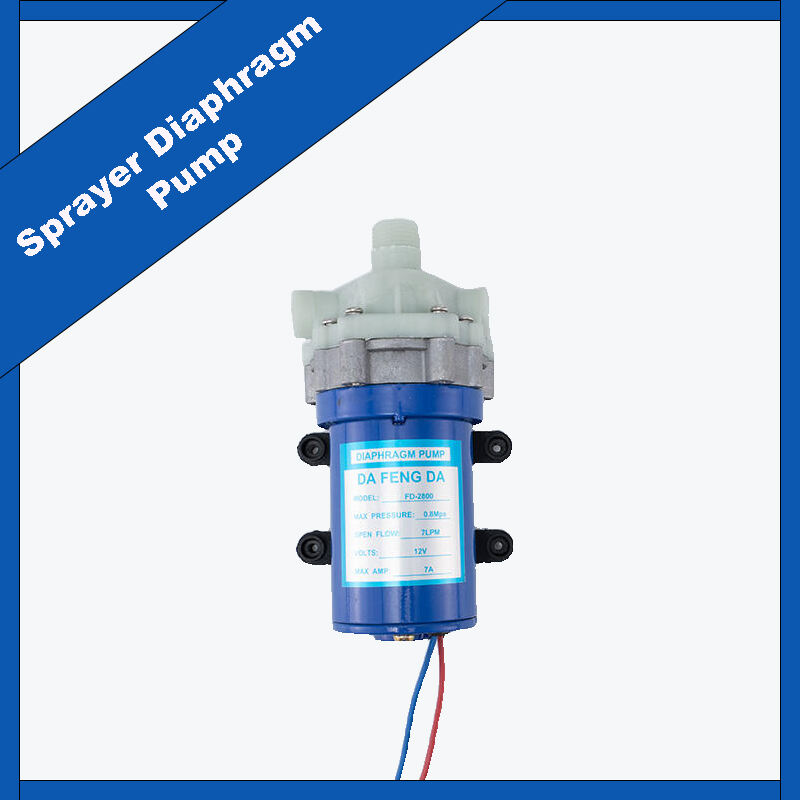
Precision Irrigation for Uniform Seedling Development
Addressing moisture stress variability in early-stage seedlings
When moisture isn't distributed properly throughout the growing medium, it causes serious problems for seeds trying to germinate. Areas that don't get enough water simply can't develop strong roots, whereas spots that are too wet become breeding grounds for damping off disease and various other issues in the soil. Most conventional overhead watering systems completely miss these tiny differences between different parts of the tray. They ignore how dense the growing mix is in certain spots, how fast water evaporates from surfaces, or what kind of environment each section actually experiences. These small but important factors lead to plants emerging at different times and creating weak stands overall. Studies show that seedlings suffering from moisture stress end up with about 30 percent less biomass compared to those that stay consistently moist according to research published last year in Horticulture Science Journal. This makes sense when thinking about transplanting them later on since they just won't be ready for the real world like their better hydrated neighbors.
Micro-dosed, pressure-stable delivery enabled by portable water pump systems
Modern portable water pump systems resolve these inconsistencies through precision engineering. Diaphragm-driven units maintain ±0.1 bar pressure variance across operating conditions, enabling true micro-dosing at 0.5–2 L/h per emitter. This stability supports three key outcomes:
- Gradual, non-disruptive saturation of propagation media—preserving seed placement and media structure
- Uniform wicking across trays, eliminating dry spots without runoff
- Prevention of nutrient leaching, retaining soluble fertilizers within the root zone
Case study: 22% improvement in tomato germination uniformity using portable water pump–driven drip emitters
Researchers ran a 12 week test in a nursery comparing regular overhead sprinklers against these portable drip systems powered by pumps, all applied to the same batch of tomato seedlings. The difference in germination rates between trays was cut nearly in half during the experiment dropping from about 43 percent with sprinklers down to around 21 percent when using drip emitters. That's roughly a 22 point improvement in how evenly plants sprouted. Seedlings also showed true leaves appearing about four days sooner, and their roots grew much more consistently throughout the trays. This kind of consistency suggests the plants were developing at similar rates physiologically. Such findings match what we see across the industry for valuable plant propagation work since having uniform crops really affects both how efficiently workers can manage them and ultimately how many actually end up being sold.
Off-Grid and Mobile Watering for Small-Scale Greenhouses
Overcoming energy and infrastructure limitations in urban and peri-urban nurseries
Greenhouse operators in cities and their surrounding areas often struggle with inconsistent electricity supply, poor water systems, and space limitations that make traditional plumbing impossible. That's where portable water pumps come in handy. These devices work around those problems by pulling water from all sorts of local sources like rainwater storage tanks, old barrels that have been given new life, or sometimes even public water hydrants. The best part? They don't need high pressure lines or noisy gas generators to function. Because they're so mobile, these pumps fit perfectly in places like rooftop growing spaces, shipping container farms, and small backyard gardens. A study published in Urban Agriculture Review found something interesting too. Growers who switched to these portable pumping systems saw about 30% less wasted water compared to people still using buckets and hoses. Most of this savings comes from less water spraying everywhere and better control over how much flows at any given moment.
Battery- and solar-powered portable water pump configurations for autonomous operation
Getting reliable power when disconnected from the grid comes down to having modular power solutions available. The solar powered models come equipped with built in solar panels that basically run for free whenever there's sunlight shining down on them, which makes them perfect for areas where the sun beats down most of the day. When dealing with spots that get less light or need watering at night, we recommend adding lithium ion batteries as backup power sources. These typically last around six to eight hours after being charged fully. Most systems can handle water flow rates ranging from five to fifteen gallons per minute while maintaining pressure levels up to sixty pounds per square inch. That kind of performance works great for feeding drip irrigation lines or small sprinkler systems covering anywhere from half an acre to nearly two acres worth of growing space. What really stands out though are those quick connect hoses and standard fittings included in the package. They let growers switch configurations fast between simple tray setups and larger bench arrangements without needing any special tools, making it easy to scale operations up or down depending on specific needs across different zones.
Modular Tray Irrigation Enabled by Portable Water Pump Flexibility
Managing spatial heterogeneity across seedling propagation trays
Seedling trays naturally have different conditions across their surfaces. Small variations in soil mix, how high parts of the tray sit, where they're located relative to air vents or glass walls, plus changes in local humidity create little climate zones within each tray. Standard watering methods treat every cell exactly the same way, which often means some seedlings get flooded while others on the edges dry out completely. That's where portable water pumps come in handy. These devices allow growers to direct water precisely where it's needed through adjustable nozzles and pressure controlled emitters. Farmers can tweak how much water flows and where it goes based on what each specific tray needs for proper drainage and when it reaches optimal moisture levels. According to recent research conducted in greenhouses last year, using this kind of targeted watering system cuts down losses from wet or dry conditions by around 40 percent compared to traditional spray systems that apply water uniformly across all areas.
Flow-rate modulation and quick-connect adaptability of portable water pumps
Contemporary portable water pumps feature dynamic flow control (0.5–10 GPM range) and tool-free quick-connect fittings that simplify daily irrigation adjustments across diverse tray types and growth stages. Operators switch seamlessly between micro-drippers for newly emerged sprouts and high-flow wands for established seedlings—all using standardized couplings. This adaptability enables:
- Zone-specific watering: Matching flow to individual tray drainage capacity and media type
- Rapid reconfiguration: Swapping emitters in under 30 seconds when transitioning between propagation stages
- Pressure consistency: Maintaining 15–30 PSI across all outlets—even during flow changes—ensuring uniform delivery regardless of hose length or elevation shifts
The result is efficient, repeatable irrigation across hundreds of uniquely arranged trays—without recalibration or pressure-compensating valves.
Consistent Pressure Delivery: A Key Efficiency Advantage of Portable Water Pumps
The real game changer for many operations comes down to something pretty simple: stable water pressure. Traditional systems connected to main lines struggle when there are changes in demand, elevation differences, or just because the hose gets too long. Portable pumps equipped with fixed displacement tech keep things steady regardless of what's going on around them. No more those annoying wet then dry then wet again patterns that can really mess with plant growth during critical stages. According to some industry benchmarks from 2023, these fixed displacement models hit about 95% efficiency rates. That number matters because it leads to even moisture distribution in the soil, less wasted water running off, and irrigation schedules that actually work as planned. Farmers who switch over report they spend way less time adjusting pressures manually. Plus their young plants tend to grow together better, cutting down overall growing periods by roughly 18% when compared against older variable pressure systems still in use today.
FAQ Section
What is precision irrigation?
Precision irrigation involves providing the exact amount of water needed to each plant, ensuring uniform water distribution and optimizing growth conditions.
How do portable water pumps help in irrigation?
Portable water pumps provide stable water pressure and precision delivery, allowing growers to direct water accurately to where it's needed most. They are useful in environments where traditional plumbing systems are impractical, such as rooftop gardens and small-scale greenhouses.
What are the advantages of using battery- and solar-powered water pumps?
These pumps offer autonomy and reliability, reducing energy costs and allowing operation in areas with limited energy infrastructure. Solar-powered models operate sustainably during daylight and batteries provide additional power for nighttime watering.
Why is consistent pressure important in irrigation systems?
Consistent pressure ensures uniform water distribution, preventing scenarios where some plants are over-watered while others remain dry. It enhances efficiency, reduces water waste, and supports predictable irrigation schedules.