
 EN
EN
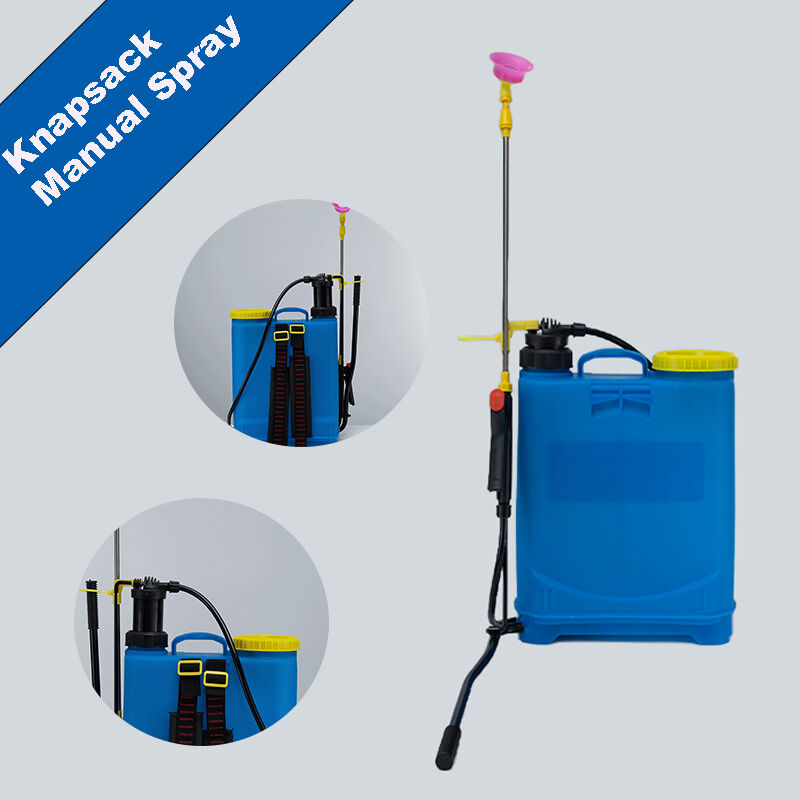
Sprayer Types by Garden Size: Handheld, Hose-End, and Backpack
Why garden size directly determines sprayer mechanics, reach, and user fatigue
Choosing the right sprayer prevents wasted effort and ensures effective coverage. Small gardens under 300 square feet suit handheld sprayers—lightweight units requiring frequent refills but offering precise control. For 300–1,200 square feet, hose-end sprayers leverage water pressure for wider coverage with minimal physical strain. Large spaces exceeding 1,200 square feet demand backpack sprayers; their ergonomic designs distribute weight evenly, reducing fatigue during extended use. A study by the National Gardening Association found that mismatched sprayer selections increased user exertion by 65% and reduced task completion rates by 40%.
The 100–500–2,000 sq ft sizing framework for optimal sprayer selection
This framework matches sprayer capacity to garden dimensions while minimizing operational interruptions:
| Garden Size | Sprayer Type | Key Features | Refill Frequency |
|---|---|---|---|
| 100–500 sq ft | Handheld | Trigger-operated, <1 liter capacity | High (every 10 min) |
| 500–2,000 sq ft | Hose-end | Water-pressure driven, no tank refills | Low (continuous) |
| 2,000+ sq ft | Backpack | 4–5 gallon tanks, adjustable straps | Moderate (hourly) |
Handheld models excel in raised beds but struggle with expansive lawns. Hose-end units cover medium areas efficiently but lose precision near obstacles. Backpack sprayers maintain consistent output across large properties, though initial costs are higher.
Tank Capacity and Refill Efficiency for Your Garden Area
Matching tank volume to coverage needs: Calculating minimum capacity (e.g., 1 gal per 500 sq ft)
Selecting the correct tank size prevents wasted trips to the faucet. A simple baseline is 1 gallon per 500 square feet of garden area. For a 200 sq ft raised bed, a 0.5‑gallon handheld sprayer works fine. A 1,000 sq ft lawn needs at least 2 gallons—often better served by a 2‑ or 4‑gallon backpack sprayer. Over‑sizing adds unnecessary weight and fatigue; under‑sizing forces constant refills. Measure your garden, divide by 500, then add a 10–20% buffer for overlapping passes and repeat applications. This calculation directly affects practicality and user comfort.
Modular and quick-refill designs: Key advantages for medium gardens (300–1,200 sq ft)
Medium gardens benefit most from sprayers that minimize downtime. Look for features like a wide-mouth tank opening, which lets you fill from a bucket in seconds. Removable tanks or “backpack-to-cart” convertible designs add flexibility—you can prep several tanks and swap them instead of mixing on-the-fly. Quick-disconnect hoses and built-in strainers also speed refills without spilling chemicals. For gardens between 300 and 1,200 sq ft, a 2-gallon backpack with a rapid-release harness offers the best balance of carry comfort and coverage speed.
Precision, Portability, and Layout Compatibility in Sprayer Selection
How raised beds, vertical gardens, and obstacles reduce effective spray radius—and what sprayer features compensate
Raised beds, vertical planters, and dense garden obstacles fragment coverage, often reducing effective spray radius by 30–50%. Raised-bed borders block low-angle spray, while vertical structures create shaded zones needing dual-sided application. To compensate, look for a curved or adjustable wand extension to redirect flow around corners and into tight spaces. An adjustable nozzle—with options from solid stream (for targeted treatment) to fan pattern (for broad coverage)—helps adapt to blocked pathways. Consistent pressure matters: manual pumps lose output as the tank empties, causing uneven coverage. A trigger lock and pressure gauge let you maintain steady flow despite shifting positions—critical when reaching over tall planters or leaning into dense foliage.
Backpack vs. hose-end sprayers: Balancing accuracy, coverage speed, and terrain adaptability
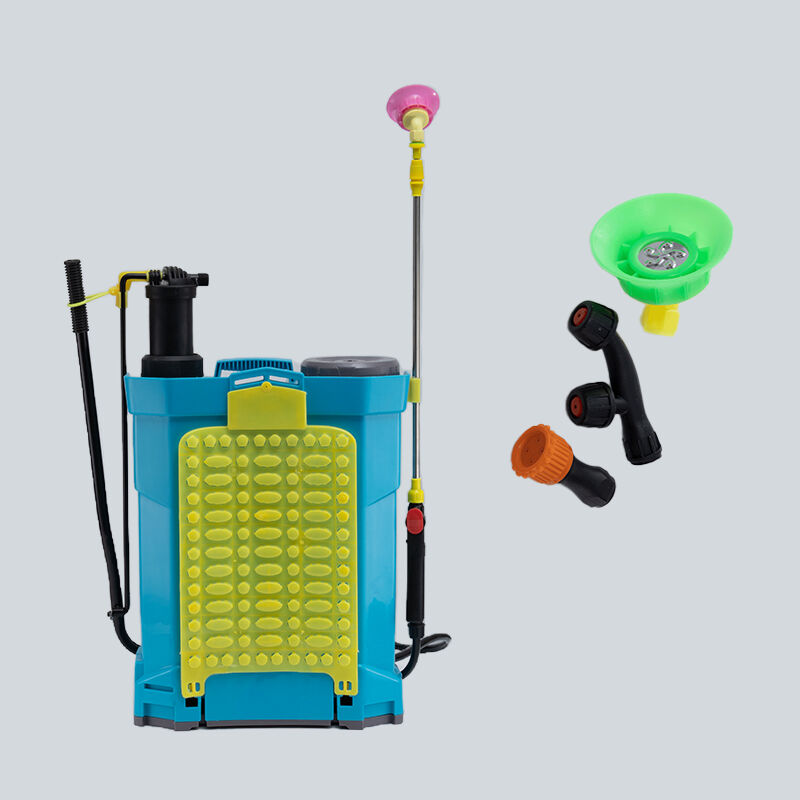
For gardens that mix raised beds with open rows, the choice hinges on three trade-offs: accuracy, speed, and terrain handling. A backpack sprayer delivers superior precision—the user controls wand direction and pressure independently of water-line fluctuations. It’s ideal for uneven ground and narrow pathways where dragging a hose is impractical. However, its typical 2–4 gallon capacity limits coverage per fill, making refills frequent for gardens over 1,500 sq ft. In contrast, a hose-end sprayer taps into continuous water supply, enabling faster coverage of large, open areas without stopping. Yet its spray pattern is less controllable, and tap pressure variations can compromise accuracy near delicate plants. For varied terrain, a backpack sprayer offers better adaptability; for flat, unobstructed expanses, a hose-end model excels.
FAQ
What type of sprayer is best for a small garden?
Handheld sprayers are ideal for small gardens under 300 square feet due to their lightweight design and precise control. They are well-suited for raised beds and compact layouts.
How do I determine the right tank size for my garden?
Calculate 1 gallon per 500 square feet of garden area, then add a 10–20% buffer for overlapping passes. This ensures adequate capacity without excessive weight.
What features should a medium-sized garden sprayer have?
For medium gardens (300–1,200 sq ft), look for sprayers with quick-refill designs, wide-mouth tank openings, removable tanks, and adjustable nozzles to minimize downtime and boost efficiency.
Are backpack sprayers better than hose-end sprayers for large gardens?
It depends on the terrain and coverage needs. Backpack sprayers offer more precision and adaptability for uneven grounds, while hose-end sprayers excel in fast, continuous coverage for flat and open areas.
What adaptations are needed for gardens with obstacles like raised beds or vertical planters?
Choose sprayers with curved or adjustable wand extensions, adjustable nozzles, and consistent pressure output to navigate around obstacles and ensure even coverage.
Table of Contents
- Sprayer Types by Garden Size: Handheld, Hose-End, and Backpack
- Tank Capacity and Refill Efficiency for Your Garden Area
- Precision, Portability, and Layout Compatibility in Sprayer Selection
-
FAQ
- What type of sprayer is best for a small garden?
- How do I determine the right tank size for my garden?
- What features should a medium-sized garden sprayer have?
- Are backpack sprayers better than hose-end sprayers for large gardens?
- What adaptations are needed for gardens with obstacles like raised beds or vertical planters?