
 EN
EN
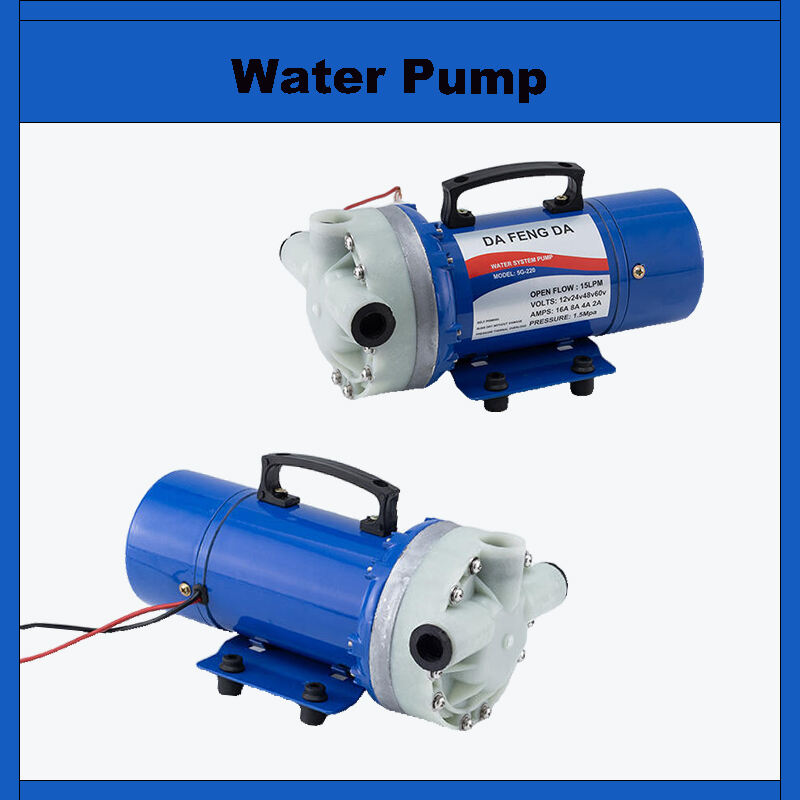
How Water Pump Efficiency Drives Energy Savings in Horticulture
Modern horticulture operations face rising energy costs, making efficient water pump selection critical. While manufacturers often highlight pump curve ratings, real-world performance depends on how a system handles variable greenhouse demands. Bridging this gap requires understanding two core concepts: wire-to-water efficiency and the true impact of horticultural loads.
Wire-to-Water Efficiency: Bridging Lab Ratings and Real Greenhouse Performance
Wire-to-water efficiency measures the complete energy conversion path—from electrical input at the motor to hydraulic output at the pump discharge. This metric captures losses in the motor, shaft, pump hydraulics, and piping that lab-only pump curves ignore. Studies show that even a top-rated pump can lose 15–20 % of its efficiency when installed in a greenhouse with friction-heavy pipes or variable flow demands. By focusing on wire-to-water efficiency, growers can select models that maintain high performance under actual operating pressures and flow rates rather than idealized test conditions. This approach directly reduces kWh consumed per cubic meter of water delivered.
Why Horticultural Loads—Not Just Pump Curves—Determine Actual kWh/m³ Savings
A pump’s performance curve shows efficiency at a single speed and head, but greenhouse irrigation loads shift constantly as crops grow and soil moisture changes. Using a fixed-speed water pump sized for peak demand wastes energy during low-flow periods. Research indicates that matching pump output to actual load conditions can cut energy use by up to 40 %. For example, a nursery irrigating young seedlings (low flow) versus mature plants (high flow) will see vastly different kWh/m³ costs if the pump cannot adjust. Therefore, analyzing load profiles—not just the pump curve—is essential for predicting real energy savings in horticulture.
Variable-Frequency Drives (VFDs) Maximize Water Pump Energy Savings
A variable-frequency drive (VFD) matches motor speed to real-time water demand, eliminating the energy waste of running a water pump at full speed when only partial flow is needed. This dynamic control principle is especially valuable in horticulture, where irrigation loads change constantly as crops grow.
Dynamic Speed Control Cuts Energy Use by Up to 42% Across Crop Growth Stages
Traditional fixed-speed pumps run at maximum output regardless of need, wasting electricity during low-demand phases like germination or early leafing. A VFD-enabled pump automatically slows its motor when less water is required, then ramps up during peak transpiration periods. Field data shows that this speed matching reduces total energy consumption by up to 42% over a full growing cycle. The savings stem from the cube-law relationship: reducing pump speed by 20% cuts power draw by nearly half. For growers running multiple irrigation events daily, the reduction in kWh per cubic meter of water delivered is substantial—and it extends pump life by lowering mechanical stress from sudden starts and stops.
Smart Integration with Soil Sensors Enables Predictive, Load-Adaptive Water Pump Operation
When a VFD is paired with soil moisture or tensiometer sensors, the pump no longer just responds to pressure switches but anticipates plant needs. The system reads real-time soil water content and adjusts the water pump’s speed to deliver only the exact volume required, avoiding both overwatering and energy spikes. This predictive approach smooths out load patterns: the pump runs at lower, steady speeds instead of cycling on and off at full power. Over a season, load-adaptive operation can cut energy use by an additional 10–15% on top of the baseline VFD savings, while also reducing water loss from runoff and deep percolation.
Selecting the Right Water Pump for Precision Irrigation Systems
Matching Water Pump Performance to Drip and Micro-Irrigation Requirements
Drip and micro-irrigation systems demand consistent, low-flow water delivery at precise pressures. Selecting a water pump whose best efficiency point (BEP) aligns with the system's operating conditions is critical. Mismatched pumps—oversized or undersized—lead to pressure fluctuations, uneven water distribution, and unnecessary energy consumption. Key factors include the water source depth, required flow rate, and the irrigation layout’s pressure needs. For shallow sources up to 25 feet, centrifugal pumps work well; deeper sources may require submersible or jet pumps. Proper pump selection ensures reliable crop hydration while minimizing operational costs.
Scalable Energy Savings: From Small Greenhouses to Commercial Nurseries
Efficient water pumps deliver energy savings that scale directly with operation size. A small market gardener who runs a seasonal greenhouse might cut electricity bills by upgrading to a high-efficiency pump, but the real impact emerges at commercial scale. For a nursery irrigating multiple hectares year-round, the same pump technology can slash thousands of kilowatt-hours per month. Whether the system serves a single 100-square-meter hobby house or a multi-span complex covering several acres, the principle remains identical—optimized pump operation reduces kWh per cubic meter of water delivered. This scalability means that growers can start with modest investments and expand their energy savings proportionally as their greenhouse footprint grows.
FAQ
What is wire-to-water efficiency? Wire-to-water efficiency measures the overall efficiency from the electric input at the motor to the water delivered by the pump, including losses in the motor, shaft, and piping systems.
How do variable-frequency drives (VFDs) save energy? VFDs adjust the motor speed of the water pump based on real-time demand, preventing energy waste during low-flow periods and reducing energy consumption by up to 42% over a full growing cycle.
Why is pump selection crucial for drip and micro-irrigation systems? Drip and micro-irrigation systems require a pump whose best efficiency point aligns with precise operating conditions. An improperly sized pump can lead to inefficiency, uneven water distribution, and pressure fluctuations.
Can energy savings scale with the size of horticultural operations? Yes, efficient water pumps provide scalable energy savings. Larger operations, such as commercial nurseries, can achieve significant reductions in energy costs, while even small greenhouses can benefit from optimized pump setups.