
 EN
EN
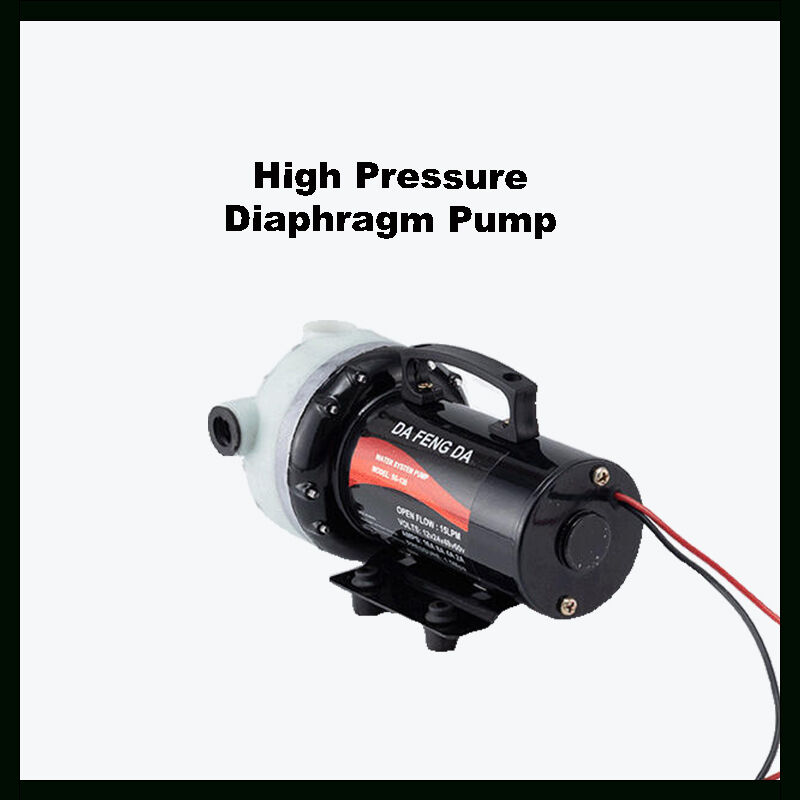
Why Remote Farms Rely on Portable Water Pumps
Portable water pumps solve critical agricultural challenges in areas lacking grid access. Remote farms often face inconsistent water access—a major barrier to livestock health and crop productivity. Traditional solutions like manual hauling or fuel-dependent pumps drain labor resources and inflate operational costs. Battery-powered units eliminate these constraints by enabling on-demand water transfer from wells, rivers, or rainwater tanks to troughs and irrigation systems. For livestock, consistent hydration prevents heat stress and weight loss, directly supporting herd productivity. Similarly, timely irrigation of high-value crops during dry spells boosts yields by 18–26% compared to rain-fed plots, per peer-reviewed agronomy field studies. The mobility of these pumps allows seasonal redeployment—from pasture watering in summer to frost protection in vineyards during winter. Their off-grid readiness also strengthens drought resilience, reducing revenue volatility amid shifting rainfall patterns. Unlike fixed infrastructure, portable units require minimal installation, slashing setup costs by ~60% and enabling rapid response to evolving water needs across large properties.
Key Technical Specifications of a Battery-Powered Portable Water Pump
Matching Voltage, Battery Capacity, and Duty Cycle for Livestock and Irrigation Needs
Selecting the right voltage (typically 12V or 24V) and battery capacity (measured in Ah) ensures your portable water pump meets daily operational demands. For livestock watering, a 50Ah battery typically sustains 3–4 hours of continuous pumping—sufficient for 100 cattle requiring 12 gallons daily. Irrigation systems demand higher duty cycles; solar-compatible lithium batteries extend runtime to 5+ hours while resisting performance decay in extreme temperatures.
Flow Rate vs. Head Pressure: Critical Trade-offs for Field Deployment
Higher flow rates (measured in GPM/LPM) reduce watering time but compromise head pressure—the vertical lift capacity essential for hilly terrains. A pump delivering 5 GPM at 50 PSI may suffice for shallow wells, whereas deep-water sources require 3 GPM units prioritizing 100+ PSI head pressure. This inverse relationship means orchards needing high-volume irrigation sacrifice lift height, while elevated pastures prioritize pressure over speed.
Note: Technical specifications vary by terrain and livestock density; consult pump performance curves before deployment.
Powering Your Portable Water Pump Off-Grid: Solar Integration and Battery Best Practices
Lithium vs. AGM Batteries for Long-Term Field Use with Portable Water Pumps
When operating a portable water pump in remote agricultural settings, battery selection directly impacts reliability. Lithium batteries offer 2–3× longer cycle life (2,000+ cycles) versus Absorbed Glass Mat (AGM) alternatives (500–800 cycles) while maintaining 95%+ usable capacity. Their lighter weight (50–70% reduction) and tolerance for deeper discharges (80–100% Depth of Discharge) make them ideal for daily livestock watering cycles. Though AGM batteries have lower upfront costs, lithium’s longevity reduces replacement needs by 60% over a decade, according to 2023 field data from the Off-Grid Energy Council.
Sizing Solar Arrays to Sustain Daily Pumping Cycles (3–5 Hours)
Solar integration eliminates fuel dependency but requires precise sizing. Calculate total daily watt-hour consumption (pump wattage × runtime hours), then multiply by 1.3–1.5 to account for system losses and cloudy days. For example:
- A 200W pump running 4 hours daily = 800Wh
- With 30% buffer = 1,040Wh
- Solar array needed (assuming 4 peak sun hours): 260W minimum
Panels should exceed this baseline by 15–20% to concurrently recharge batteries. Pair with a Maximum Power Point Tracking (MPPT) charge controller for 25–30% more efficiency than Pulse Width Modulation (PWM) models in variable light conditions.
FAQ Section
Why are portable water pumps essential for remote farms?
Portable water pumps provide on-demand water access, essential for maintaining livestock health and providing efficient irrigation for crops, especially in areas without grid access.
What are the benefits of battery-powered water pumps over traditional fuel-dependent models?
Battery-powered models reduce labor resources, eliminate fuel costs, and offer mobility—making them more adaptable to changing water needs and environmental conditions.
How do I choose the right portable water pump for my farm?
Consider the voltage, battery capacity, flow rate, and head pressure requirements, matching them to your farm's specific livestock and irrigation needs.
What are the advantages of using lithium batteries for portable pumps?
Lithium batteries have a longer cycle life, higher usable capacity, and are lighter compared to AGM batteries, making them ideal for portable water pumps in remote settings.