
 EN
EN
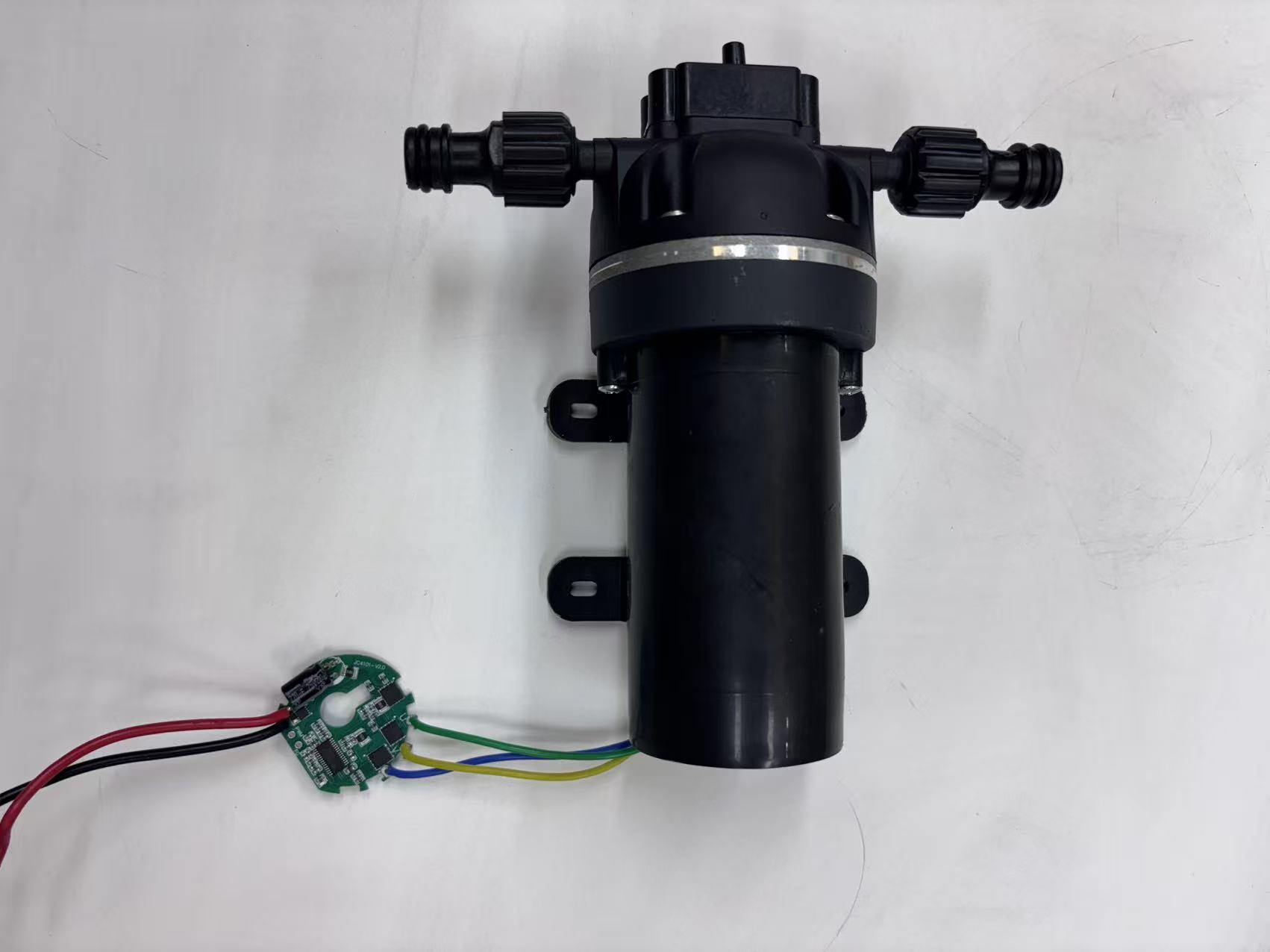
Off-Grid Power Solutions for Reliable Car Wash Pump Operation
Battery- and Solar-Powered Car Wash Pump Options
Remote farms increasingly rely on battery- and solar-powered pumps to clean vehicles without grid access. Modern portable units use brushless DC motors that achieve over 90% energy conversion efficiency when paired with lithium-ion battery packs or photovoltaic panels—eliminating the need for AC inverters and reducing both system weight and upfront cost. Solar-charged systems sustain operations throughout daylight hours, while a compact battery bank ensures consistent pressure during cloudy spells or early-morning washdowns. According to IRENA (2023), solar water pumping can cut operational expenses by up to 80% compared to diesel-driven alternatives, making it a practical choice for cost-conscious farms. Many models accept direct 12V or 24V DC input from a tractor’s battery, enabling instant field deployment. The absence of fuel storage, exhaust fumes, and regular servicing further simplifies upkeep—so farm crews can focus on equipment readiness rather than pump maintenance.
Direct Compatibility with Buckets, Ponds, and Rainwater Tanks
Off-grid pump designs draw water directly from any available source—no plumbing or pressurized mains required. A simple suction hose with a strainer allows the unit to pull from a bucket, IBC tote, pond, or rainwater harvesting tank. This flexibility is critical on remote farms where fixed infrastructure is absent. Collected rainwater alone can meet up to 50% of a farm’s non-potable water demand (FAO 2024), and a high-pressure car wash pump transforms that free resource into an effective cleaning tool. Floating intake screens keep debris out of the system, while a built-in bypass valve returns excess flow to the source, preventing waste when the trigger gun is released. Because the entire setup is self-contained, a single operator can relocate it from the tractor shed to the sprayer pad in minutes—using nothing more than a 12-volt outlet or portable power pack.
Water-Smart Cleaning: Efficiency and Zero-Infrastructure Requirements
Low-Flow, High-Pressure Car Wash Pump Design Cuts Water Use by Up to 70%
A car wash pump engineered for low-flow, high-pressure operation slashes water usage by up to 70% compared to a standard garden hose (2023 agricultural water conservation study). These pumps move water through narrow nozzles at high velocity—generating enough force to dislodge mud and grime while using less than 1.5 gallons per minute. This efficiency is vital on remote farms, where every gallon must be hauled or pumped from a limited source. Reduced consumption allows multiple vehicles to be cleaned without depleting reservoirs or overtaxing a well. The design also supports foam-based cleaners, which require less liquid yet maintain strong cleaning power. Operators can set precise pressure levels to match the task—gentle enough for delicate sensors, yet powerful enough for caked-on debris. Such targeted cleaning saves water and extends vehicle component life by preventing abrasive scrubbing—delivering a smarter, more sustainable wash routine for off-grid maintenance.
No Plumbing, Sewer Hookup, or Site Excavation Needed
A portable car wash pump eliminates the need for permanent infrastructure. It draws directly from buckets, ponds, or rainwater tanks—requiring no municipal water line or buried plumbing. The pump is completely self-contained; no sewer connection or excavation is needed. This zero-infrastructure approach means a farm can set up a wash station on any flat surface—near a field gate, beside a barn, or at the edge of a dirt road. Because the pump and its water source move together, vehicle cleaning happens wherever the equipment is parked—not at a fixed bay. Contaminated runoff is managed simply by choosing a well-drained area or using a portable containment mat. Setup takes minutes, not days, and the system can be disassembled just as quickly. For remote farms, this freedom from pipes, drains, and construction cuts costs and keeps maintenance operations agile—even in the most isolated locations.
Farm-Tough Durability and Multi-Vehicle Versatility
Car Wash Pump Adaptability Across Tractors, ATVs, Sprayers, and Harvesters
A single portable car wash pump transitions seamlessly—from blasting caked mud off a tractor to gently rinsing an ATV’s delicate plastics. Quick-connect nozzles and adjustable pressure regulators let operators dial in the right force for each machine without risking surface damage. Sprayers prone to chemical residue and harvesters coated in sticky plant sap both benefit from the same pump, cutting downtime between tasks. Instead of maintaining separate cleaning stations for every vehicle type, a farm can rely on one adaptable unit that draws water from a bucket, pond, or transport tank. This flexibility eliminates the need for permanent infrastructure and keeps all equipment—tractors, utility vehicles, spray rigs, and combines—clean and corrosion-free. The pump’s compact design mounts easily to a trailer or pickup bed, moving wherever the next job demands. Workers spend less time hauling equipment to a distant wash bay and more time on productive field work—avoiding excessive water use while still achieving thorough cleaning and extending the life of expensive machinery.
Grit-Resistant Seals and Plunger-Based Systems for Mud- and Debris-Laden Water
Farm water sources seldom run crystal clear. Ponds, rainwater tanks, and even shallow wells often carry sand, silt, and organic particles that can destroy ordinary pump internals. A plunger-based system with abrasion-resistant seals and ceramic-coated plungers thrives in these conditions. The reciprocating plunger design forces water through a tight-tolerance chamber, generating high pressure while keeping gritty debris away from critical seals. Unlike diaphragm pumps—which can tear or clog when particles wedge between valve flaps—a plunger pump maintains steady flow even with murky inlet water. Field-serviceable components mean operators can quickly swap out a worn seal without special tools, minimizing downtime during peak seasons. Regular rinsing of the inlet filter and a simple post-use flush with clean water are usually enough to preserve peak performance. This resilience allows farms to wash heavy equipment right in the field, using the same water that would otherwise foul a less rugged pump—and ensures reliability through mud-season demands.
FAQs
1. Do these car wash pumps work during cloudy weather?
Yes, most systems are equipped with battery banks that ensure consistent operation during cloudy spells or early-morning washdowns.
2. Can the pumps handle water sourced from ponds or rainwater tanks?
Absolutely. Off-grid pump designs are compatible with buckets, ponds, and rainwater tanks, equipped with strainer-equipped suction hoses to filter out debris.
3. Are these pumps suitable for cleaning multiple types of vehicles?
Yes, the pumps are highly adaptable and can clean a range of farm equipment, from tractors and ATVs to sprayers and harvesters.
4. How much water can these pumps save compared to a traditional garden hose?
Engineered for low-flow, high-pressure operation, these pumps can reduce water usage by up to 70% when compared to standard hoses.
5. What makes these pumps durable?
They use grit-resistant seals and ceramic-coated plungers that can handle debris-laden water from ponds and shallow wells.
6. Do I need permanent infrastructure to use these pumps?
No, these pumps are completely self-contained and do not require plumbing, sewer connections, or other permanent infrastructure.
Table of Contents
- Off-Grid Power Solutions for Reliable Car Wash Pump Operation
- Water-Smart Cleaning: Efficiency and Zero-Infrastructure Requirements
- Farm-Tough Durability and Multi-Vehicle Versatility
-
FAQs
- 1. Do these car wash pumps work during cloudy weather?
- 2. Can the pumps handle water sourced from ponds or rainwater tanks?
- 3. Are these pumps suitable for cleaning multiple types of vehicles?
- 4. How much water can these pumps save compared to a traditional garden hose?
- 5. What makes these pumps durable?
- 6. Do I need permanent infrastructure to use these pumps?